
Nikro Air Duct Cleaning in Northeast Philadelphia: A Homeowner’s Guide
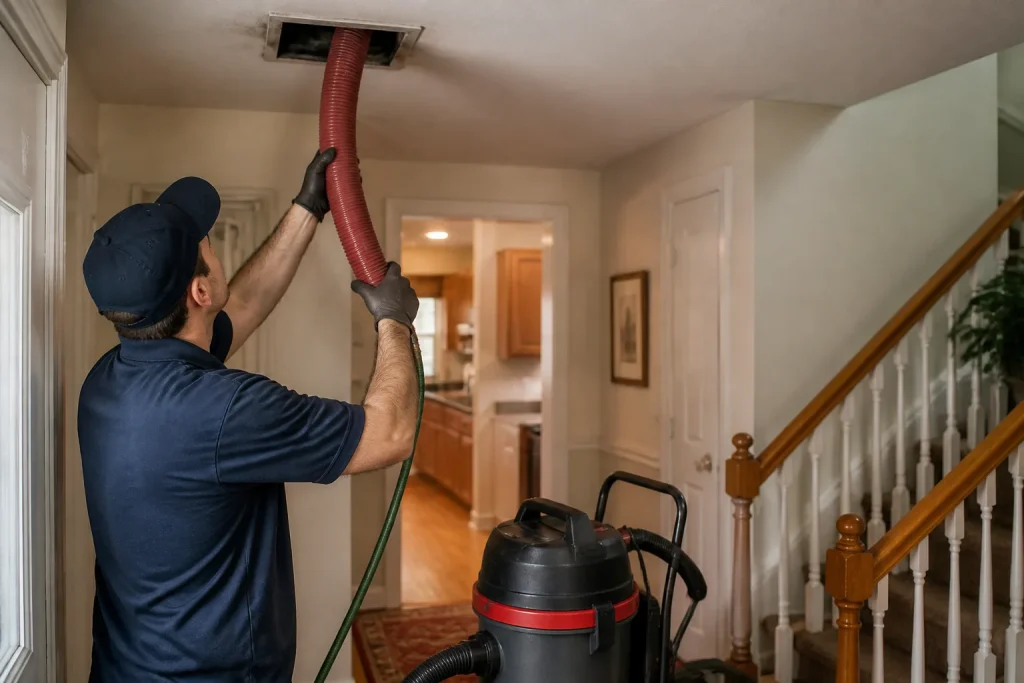
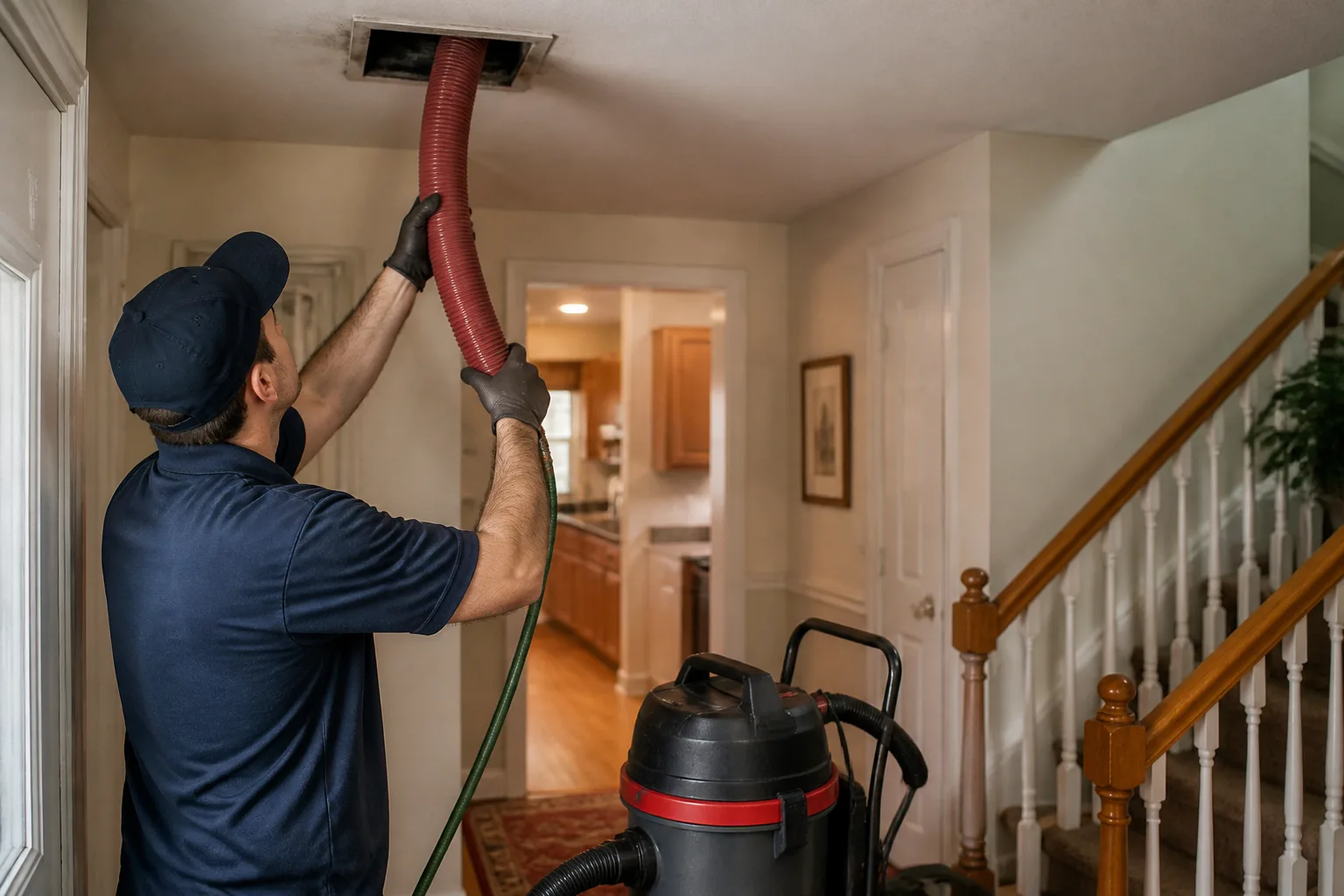
Nikro air duct cleaning in Northeast Philadelphia comes down to one piece of equipment: a contractor-grade negative-air machine. Nikro’s NS6000 portable unit moves up to 6,000 CFM, enough to hold negative pressure across a large residential duct system while technicians agitate debris loose inside it. A standard wet/dry shop vac moves roughly 100 to 150 CFM. That gap is why two “duct cleaning” quotes can look identical on paper and produce completely different results, and why knowing what the equipment actually does helps you ask better questions before you book anyone. If you’d rather skip the homework and talk to someone, call (833) 508-9983.
What does Nikro equipment actually do during a duct cleaning?
Nikro Industries builds commercial-level cleaning gear, and the residential pieces that matter most fall into three groups. Each one has a distinct mechanical job, and a proper full-system clean uses all of them in sequence.
- The NS6000 negative-air machine. This is the vacuum source. It pulls the whole duct system into negative pressure so loosened debris travels toward the collection point instead of settling into your living room. The CFM rating is the real specification here, because it describes how much air the machine can move and therefore whether it can hold containment in a system with several trunk lines.
- Air whips. Compressed-air lines with a forward-firing nozzle that snakes through duct runs and knocks debris off the walls with turbulent air. They reach into the long horizontal runs and elbows where a brush alone struggles to keep contact.
- Rotary brush systems. The mechanical side of the job. Rotobrush-style rotary brushes scrub the duct walls where dust, lint and construction residue actually bond to the metal or flex liner. Air alone loosens the loose stuff; the brush takes off what’s stuck.
The order matters. You agitate first, contain second, collect throughout. A crew that skips the brush stage and only vacuums is treating the symptom, not the source. For Northeast Philadelphia homes with older galvanized ductwork and decades of accumulated dust, that distinction shows up as soon as the system runs again.
Why CFM, not horsepower, is the number to ask about
CFM is the honest specification for a duct cleaning machine, and horsepower is mostly marketing. Horsepower tells you how much motor a unit has. CFM tells you how much air it can actually move, which is the thing that determines whether containment holds. Those are not the same number, and a high-horsepower motor on a restricted intake can move less air than a well-designed lower-horsepower machine.
Here’s why it matters in practice. A residential duct system under negative pressure needs enough airflow to overcome the resistance of long trunk runs, flex duct, and the collection hoses themselves. When airflow falls short, the system loses containment partway through the job. Debris that was pulled loose then drifts back into the branch lines or settles in rooms. The homeowner sees a technician with a machine going room to room and assumes the work is happening. The machine simply wasn’t moving enough air to finish what it started.
When you compare quotes in Northeast Philadelphia, ask directly: what CFM does your machine run at, and is it a portable negative-air unit or a shop-vac setup? A contractor using Ruthless or Nikro-class equipment will answer without hesitation. One using a consumer vacuum either won’t know the number or will change the subject. That answer tells you more about the job ahead than any coupon will. Contactor-grade equipment, residential care is the standard worth holding a company to.
Why Nikro-equipped crews usually work in pairs
A full-system clean with negative-air containment is a two-person job, and understanding the roles explains why your quote may specify a team rather than an individual.
- The containment and collection technician. This person sets up the negative-air machine at the main trunk connection, manages the collection bag or HEPA filtration, and monitors pressure throughout the job. They hold the system in negative pressure so nothing spreads into the home.
- The agitation technician. This person works the vents, branch lines and trunks with the rotary brush and air whip, moving through the home to loosen debris from every run and drive it back toward the machine.
The two roles are interdependent. If the containment side drops pressure while the agitation side continues, the work degrades. Skilled pairs coordinate vent by vent. That’s a slower, more deliberate process than a single person walking through with a vacuum, and it’s why the better-equipped bookings take a real block of time on the calendar. In Northeast Philadelphia homes with long duct runs, the two-person setup is often the difference between surface cleaning and a genuine full-system result. When it’s done well, one call covers your ducts, vents, and HVAC system, and the whole indoor-air chain gets addressed at once.
How to verify a contractor actually uses Nikro equipment
Plenty of companies name-drop Nikro, Rotobrush and Abatement Technologies in their marketing without owning or operating the gear. Verifying the equipment is straightforward if you ask the right things before booking.
- Ask for a photo or written confirmation of the make and model. A contractor working with NS6000-class equipment knows the numbers. Someone using a shop vac won’t.
- Ask how many technicians will arrive. A genuine negative-air clean is a two-person job. A single-tech arrival with a portable vacuum is a warning sign.
- Ask what happens with the collected debris. Ask specifically whether the machine captures it with HEPA filtration and removes it from the home.
- Ask whether the crew agitates with a rotary brush as well as air. Brush working and air whipping are both mechanical steps, and one without the other leaves the job unfinished.
- Ask what the company does beyond cleaning. Nikro-class providers typically also offer HVAC cleaning, which is where the coil and plenum get addressed properly.
The best verification is on-site and in-person: ask to see the machine before the crew starts. Any contractor comfortable with their equipment will be glad to walk you through the setup in your own home. For more on the full-service approach, our page on air duct cleaning Northeast Philadelphia lays out what a complete visit covers.
What Nikro equipment can’t fix on its own
A negative-air machine and rotary brush do not solve every duct-system problem. Some conditions need a different scope of work, and a company that treats every job as a vacuum-only visit is leaving problems behind.
Loose or crushed flex duct, gaps at the trunk and boot connections, and disconnected runs need repair and sealing before cleaning holds its value. Vacuuming a leaky duct system just means where you clean, unfiltered air returns. Duct Repair & Sealing addresses that root cause, which is why we treat it as a core service rather than an add-on. Contaminated liner or a dirty evaporator coil is another example. Neither can be cleaned through the vents with a machine alone; the coil usually needs direct access, and the liner may need replacement. For homes with elevated air-quality concerns, like post-renovation dust or a recent purchase, Abatement Technologies equipment addresses scenarios that go past basic vacuum work, and Honeywell or Aprilaire products can bridge cleaning to longer-term filtration in the same visit.
If your issue is dryer-related rather than HVAC, the right service is dryer vent cleaning, not duct cleaning. Lint-loading in a dryer vent is a different mechanical problem with a different fix and a real fire-safety angle. Alongside that, whole-system duct repair and sanitizing make up the full set of services a serious indoor-air provider should offer.
When to call a pro
Clean the system professionally when you see visible dust at the vents, notice dust settling again days after you clean, or you’ve recently finished a renovation. If your system’s airflow has dropped, call before you spend on anything else. We answer 24/7. Fast dispatch from 7am to 7pm, Sunday through Friday.
Related services in Northeast Philadelphia
Air Duct Cleaning Northeast Philadelphia covers the full indoor-air chain: air duct cleaning, dryer vent cleaning, HVAC cleaning, duct repair and sealing, and air sanitizing. One provider for the whole system.
Are Nikro systems worth the price difference over a shop-vac setup?
Yes, for most homes with real contamination. The price difference between a shop-vac quote and a negative-air, two-person full-system clean reflects the equipment, the crew size, and the likelihood the job actually removes what’s in the ducts. A cheaper quote from a vacuum-only operator buys you the appearance of cleaning, which is why the industry carries the bait-and-switch reputation it does. Whole-system pricing from a properly equipped provider is set by a written estimate before work starts, and it’s the honest comparison to make. If you’re in Northeast Philadelphia and want to compare quotes fairly, get the CFM rating and the crew size next to every price, and the difference becomes obvious.
The Bottom Line
Nikro equipment matters because it changes what a duct cleaning actually accomplishes. The NS6000’s airflow holds containment across a full residential system; air whips and rotary brushes agitate what vacuum alone can’t reach; and a two-person crew runs the whole process correctly. Ask about CFM, crew size, agitation and debris removal before you book, because the equipment tells you more than the price tag ever will. Our technicians have up to 14 years of experience, and we use Rotobrush and Nikro gear because the tools decide the result. Better air starts at the source.
If you’re in Northeast Philadelphia and need help, Air Duct Cleaning Northeast Philadelphia offers free estimates. You’ll get one flat price per system agreed before work starts, before-and-after photos of your own ducts, and a written scope that says exactly what’s being done. Call (833) 508-9983. We answer 24/7. Fast dispatch from 7am to 7pm, Sunday through Friday.
Frequently Asked Questions
Ask for the make and model, the CFM rating, and how many technicians will arrive. A Nikro-class contractor will answer all three without hesitation. Ask to see the machine before work starts; that’s the firmest verification. Call (833) 508-9983 for a free estimate – estimates are free.
Because they usually describe two different jobs. A low quote is often a shop-vac pass with one person; a full-system clean uses negative-air containment, rotary brushes, air whips and a two-person crew. Comparing price without comparing equipment and crew size isn’t a fair comparison. Call (833) 508-9983 for a written estimate that spells out the scope.
It often helps, but the source has to be addressed. If points, gaps or disconnected runs are in the system, cleaning alone won’t keep it clean. That’s where Duct Repair & Sealing matters, and where our full-service approach differs from a vacuum-only provider. Call (833) 508-9983 to talk through your situation.
Many homes go several years between cleans when the system is intact and the filter is changed on schedule. Homes with pets, recent renovation or a new purchase, or a system with visible dust at the vents, need it sooner. There’s no universal interval; the condition of the system sets it. Call (833) 508-9983 for a free estimate and an honest read on your setup.
Written by the team at Air Duct Cleaning Northeast Philadelphia.
Need Air Duct Cleaning Help?
Call Air Duct Cleaning Northeast Philadelphia - the local pro we connect you with is licensed and insured, with free written estimates in Northeast Philadelphia.
(833) 508-9983