
Last updated November 22, 2026
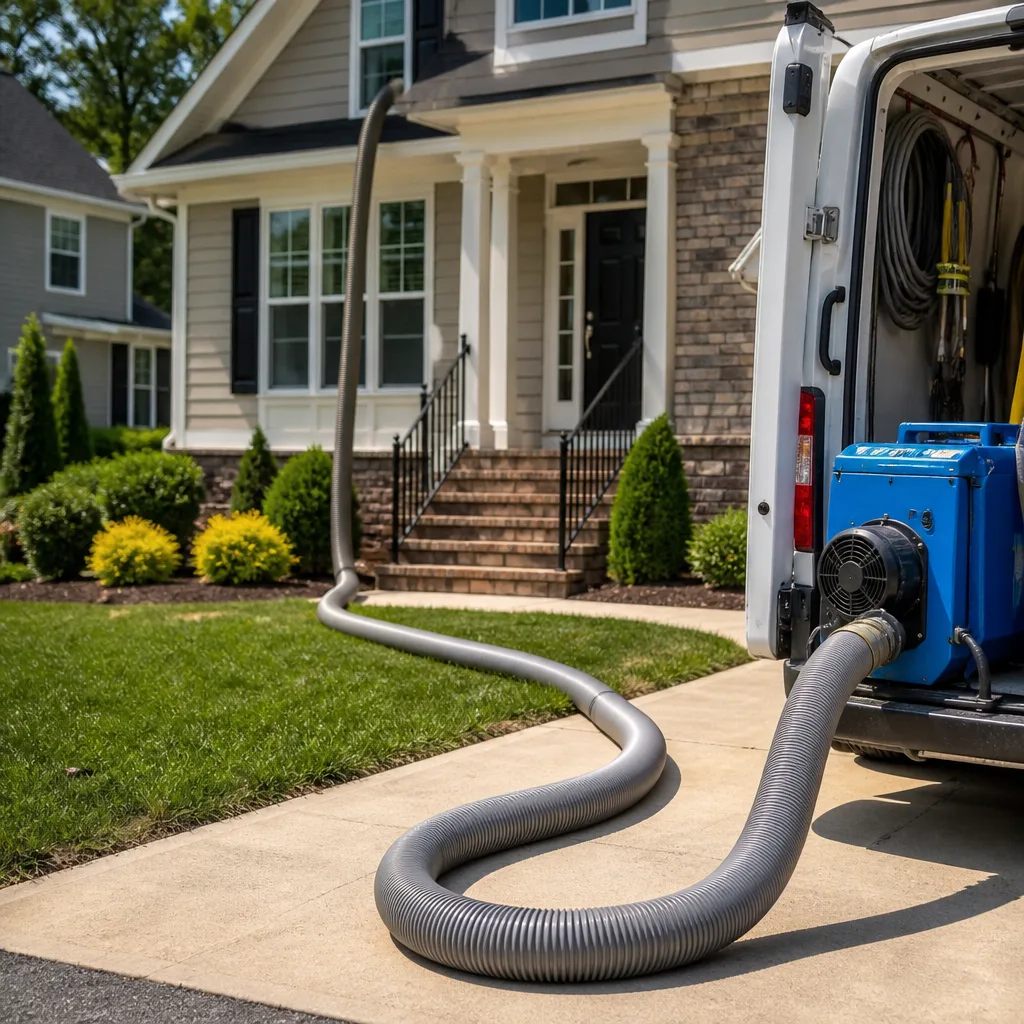 Whole-home duct cleaning
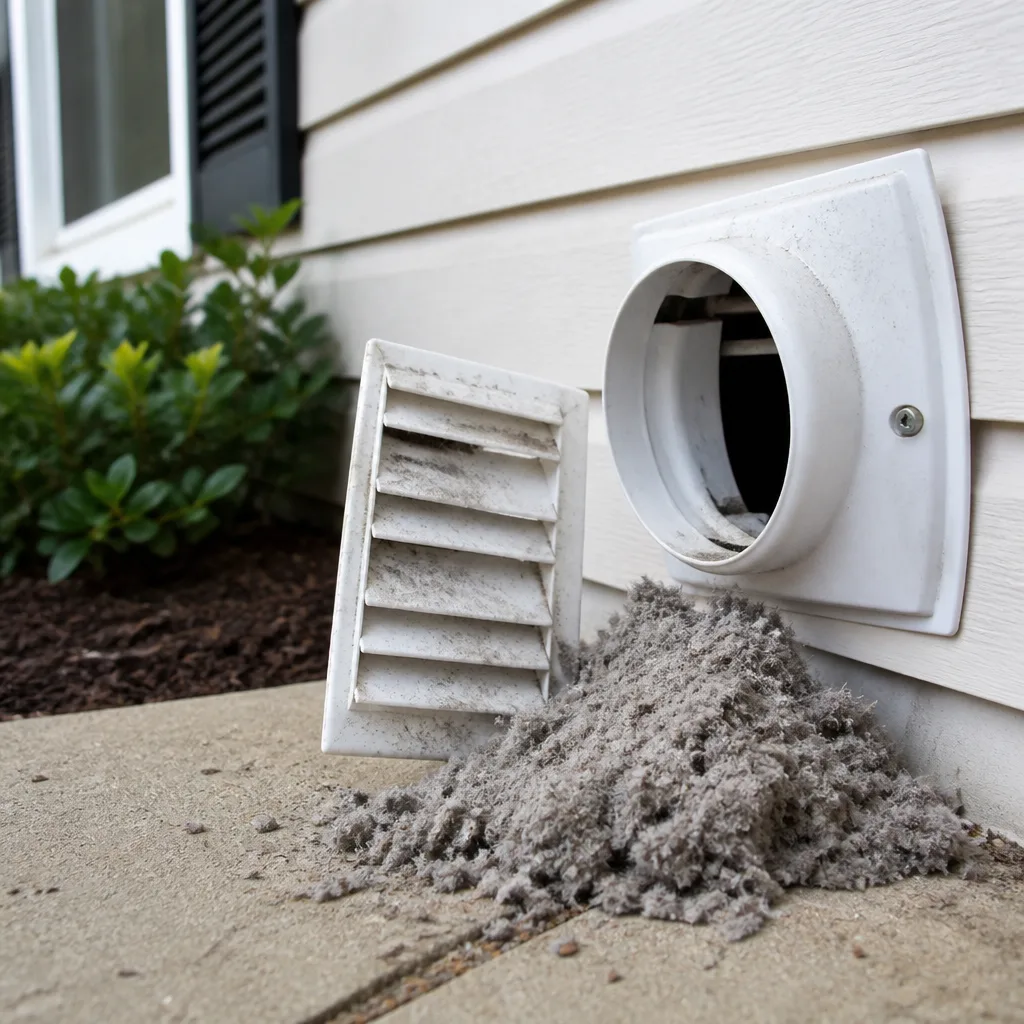 Dryer vent cleaning
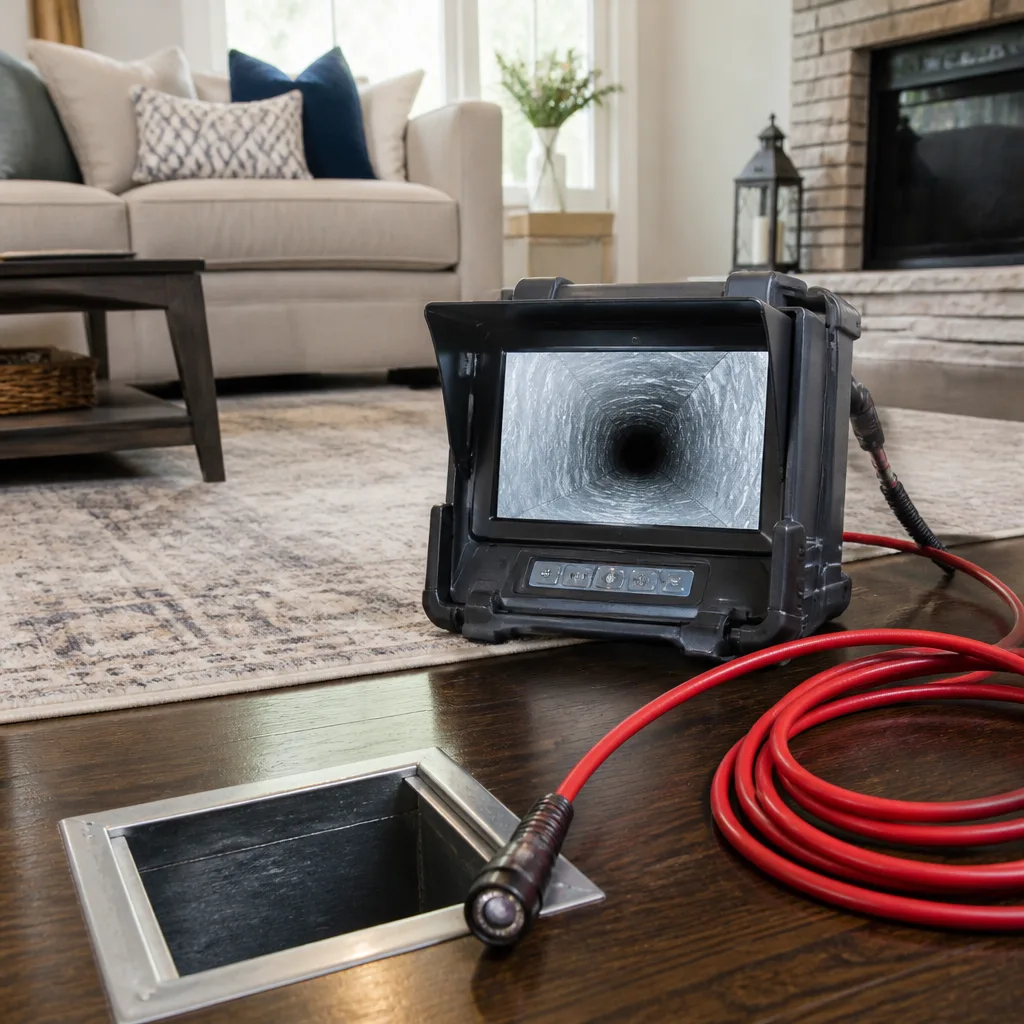 Camera inspection
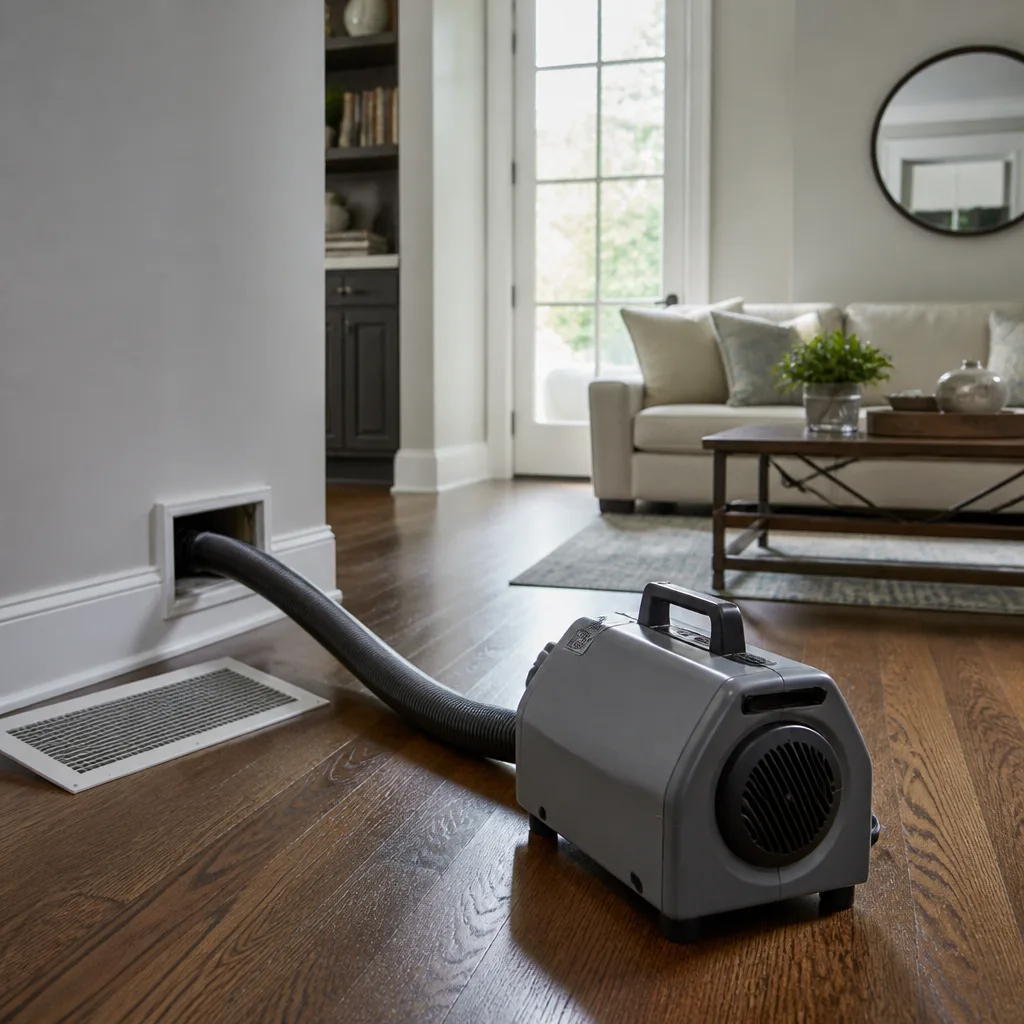 Sanitizing & deodorizing
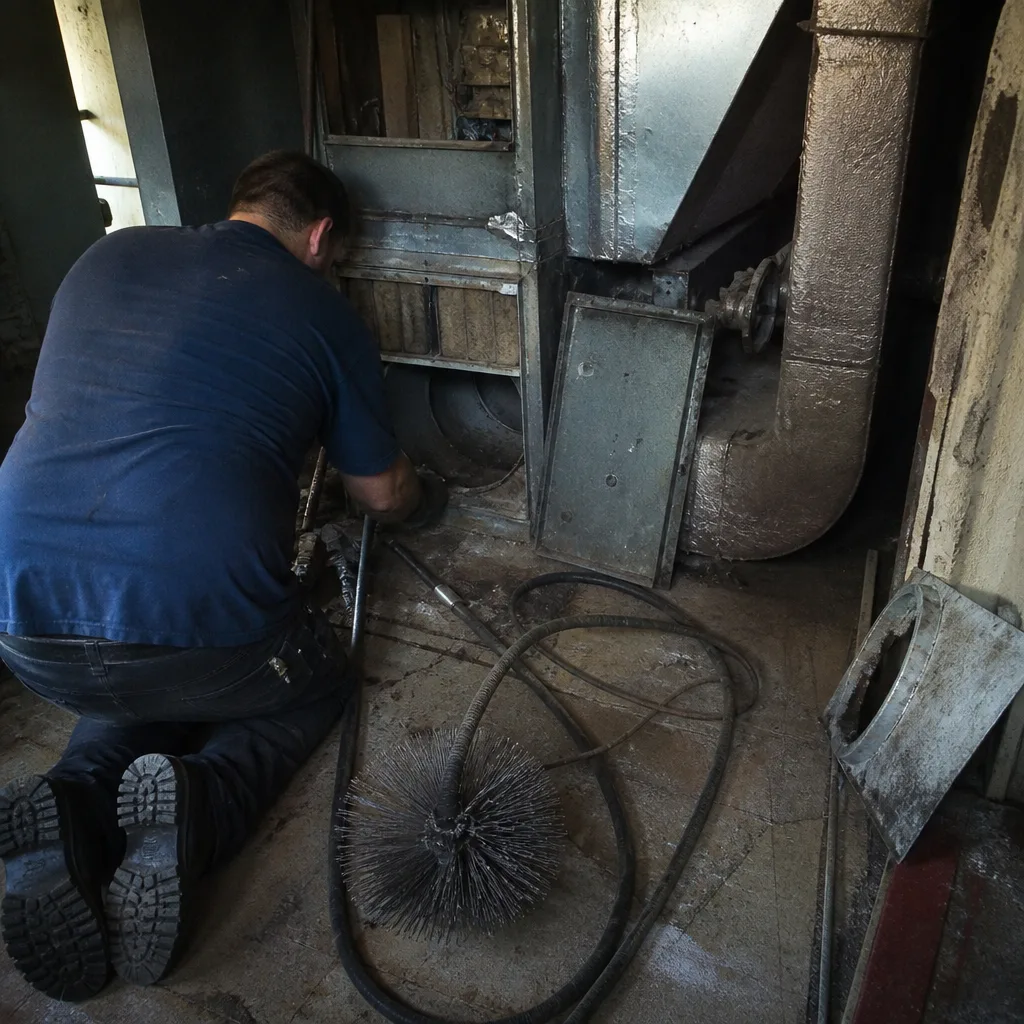
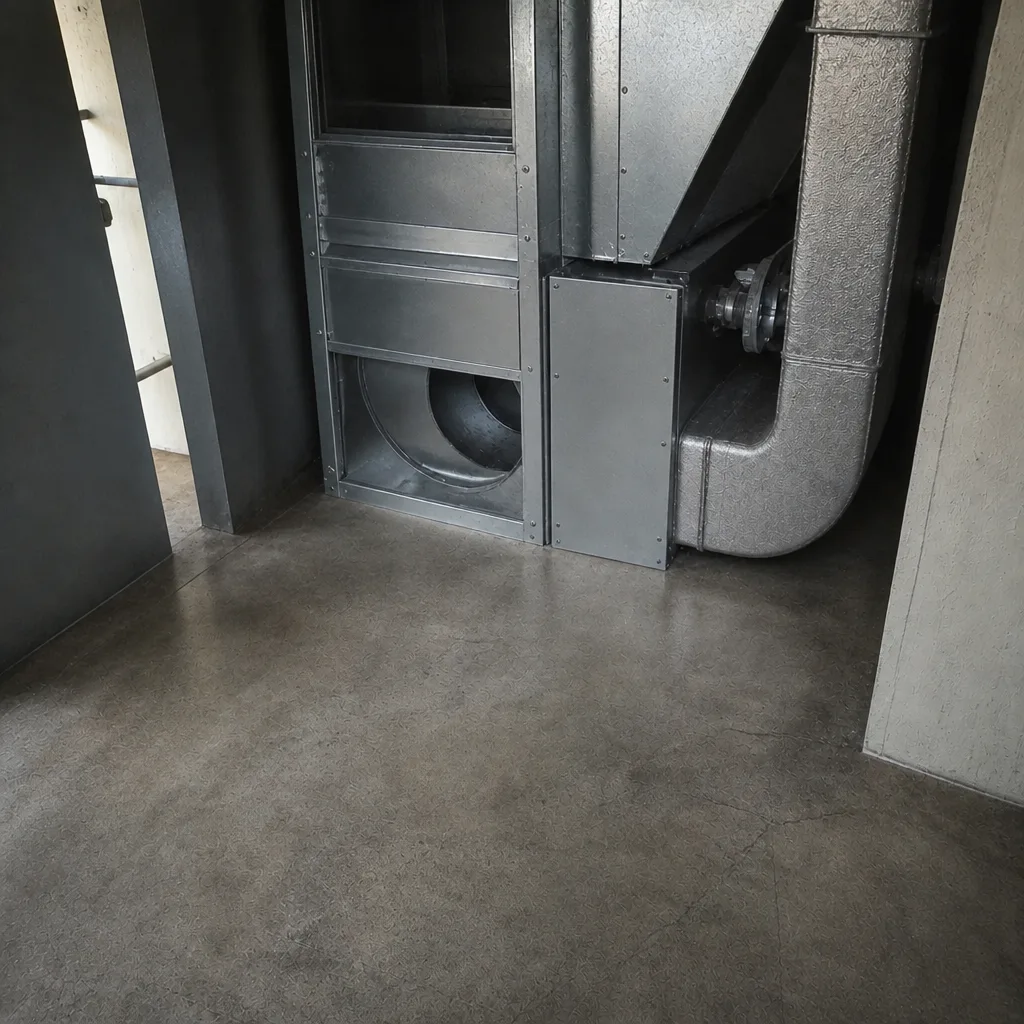
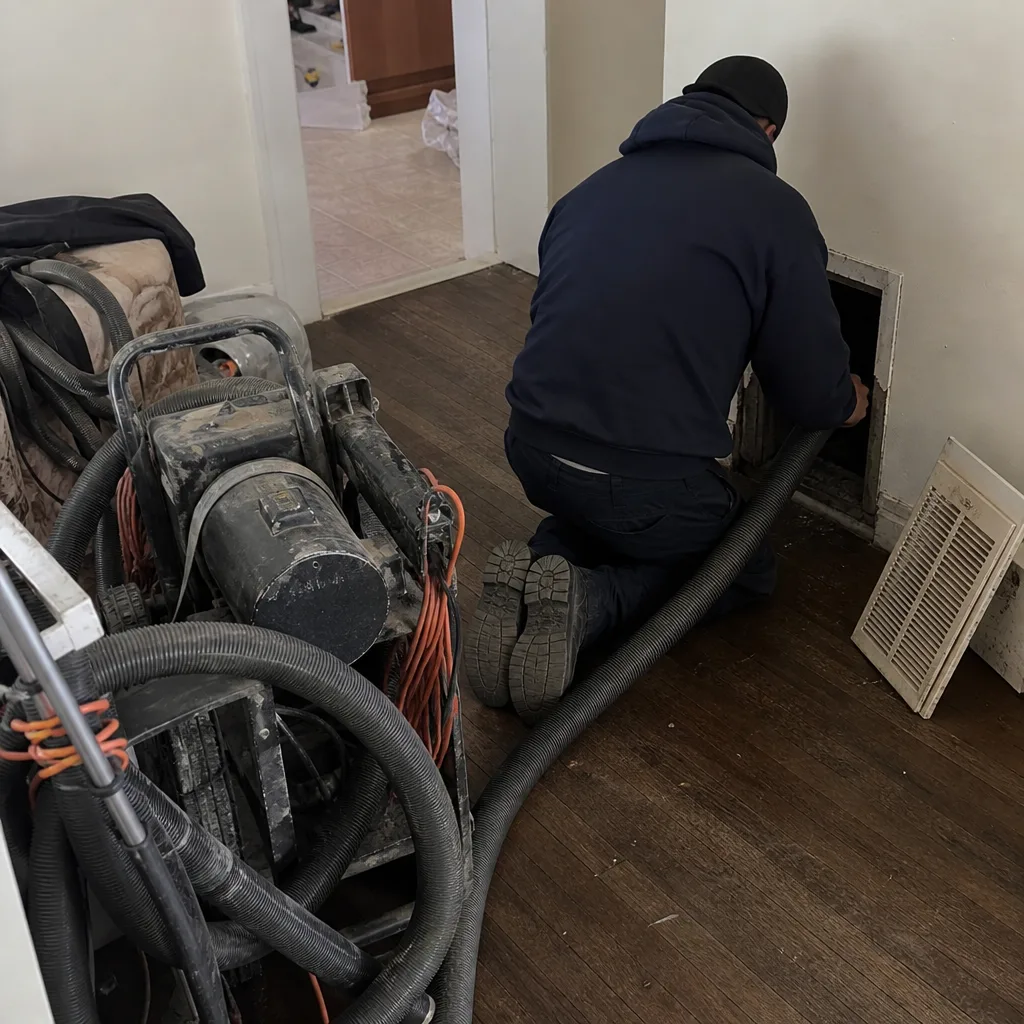
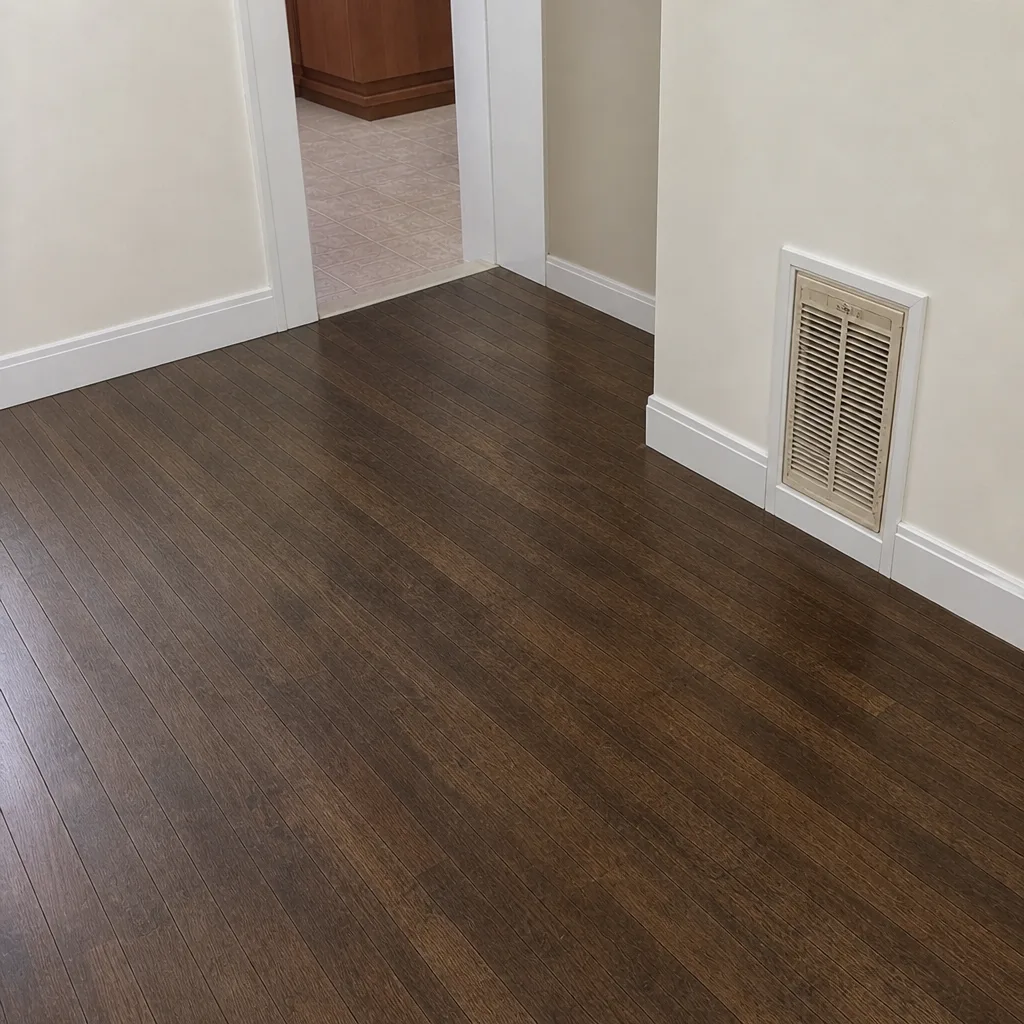
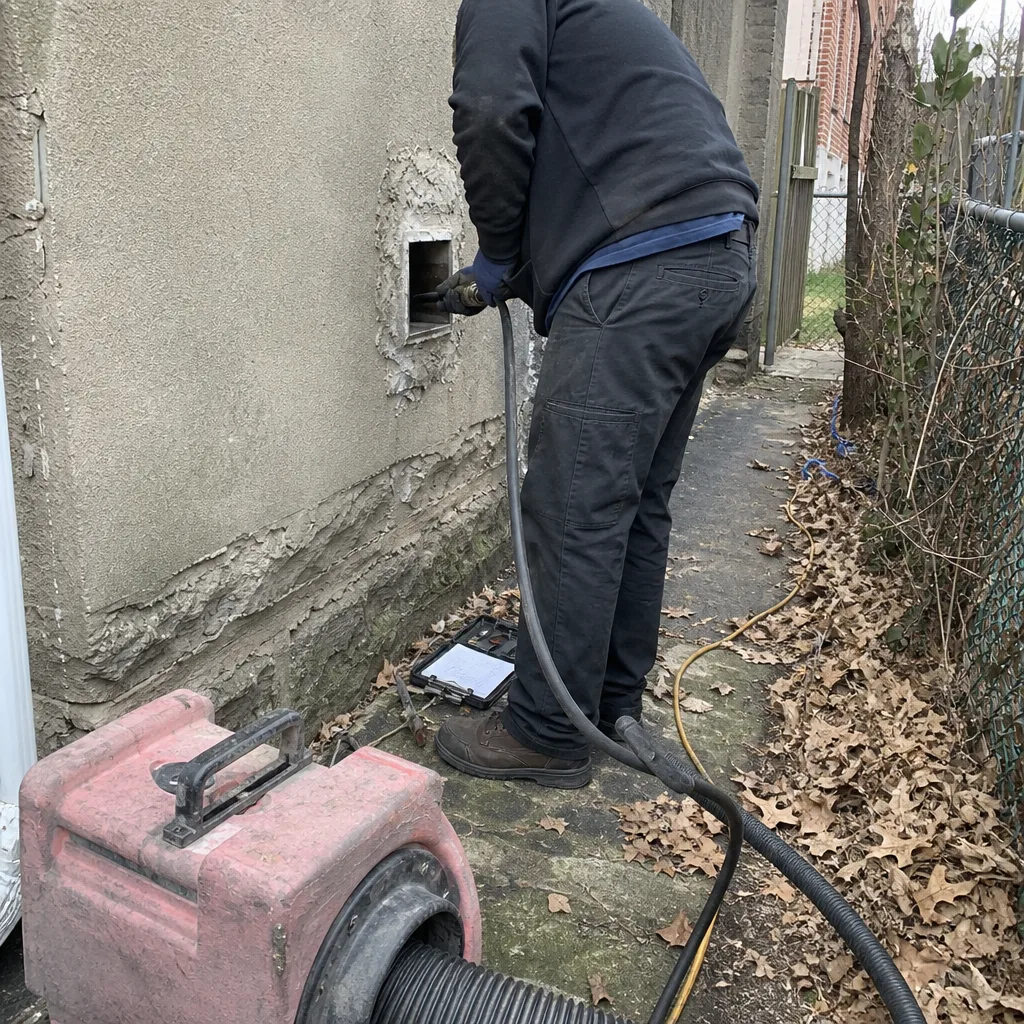
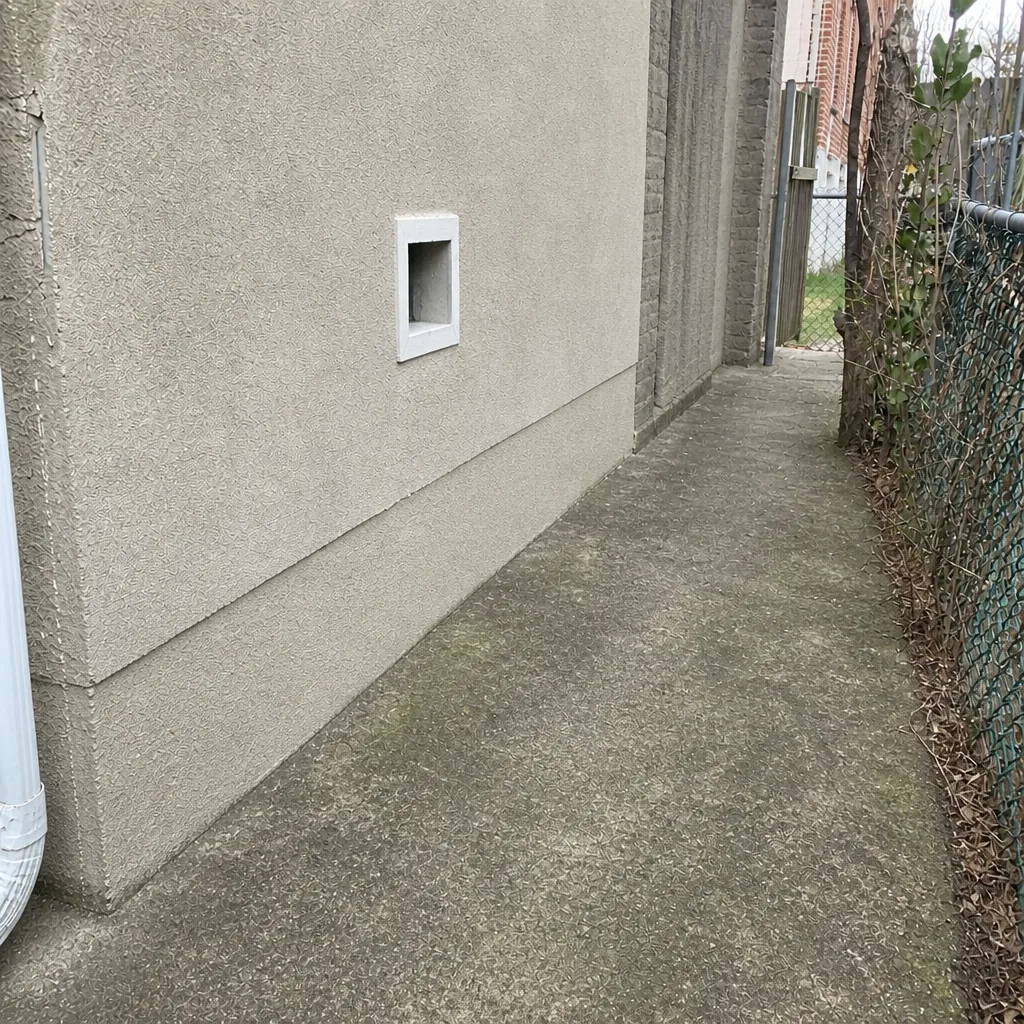
Whole-system duct and dryer vent check with before-and-after photos - you see exactly what came out of your vents
That "$99 whole-house special" is a bait ad - the real number appears once they are in your hallway, or the "clean" is a shop-vac at the register. We photograph the inside of your ducts before and after instead.
Air Duct Cleaning Emergency Preparedness Guide for Northeast Philadelphia Homes
Most homes in Northeast Philadelphia have a plan for a power outage and a rough idea of what to do if the basement takes on water. Almost none have a plan for the duct-system emergencies that actually happen more often. A kitchen fire that stays on the stovetop still sends smoke through every duct run in the house within minutes if the blower was running, and repainting the walls does nothing about what is now coating the inside of your ducts and your blower wheel. This guide covers the four scenarios that call for urgent duct work, what to do in the first hour, and how to document it for insurance.
Quick Answer
If smoke, sewage, or a confirmed pest infestation has reached your duct system, shut the HVAC system off at the thermostat and leave it off until a technician inspects it. Photograph everything before anyone touches it, then call for an assessment within 24 to 48 hours. Standard duct cleaning can wait a week or two; contamination cannot.
Styles & brands we work with
- Whole-home duct cleaning
- Dryer vent cleaning
- Camera inspection
- Sanitizing & deodorizing
Table of Contents
- The Four Duct-System Emergencies That Actually Happen
- What to Do in the First Hour
- Why Smoke Damage Is Not Standard Cleaning
- Documenting a Duct Claim for Your Insurer
- Finding a Contractor Who Can Respond in 24 to 48 Hours
- Preparing Before Anything Happens
- What Makes Northeast Philadelphia Duct Work Different
The Four Duct-System Emergencies That Actually Happen
Duct emergencies are not dramatic. They are quiet, and they get worse the longer they sit. Here are the four scenarios that justify pushing standard maintenance aside.
1. Fire and smoke damage
Even a small fire contained to one room pushes smoke into the return air pathway if the system is running. Soot travels as fine particulate and settles on duct walls, the blower wheel, and the evaporator coil. It does not stay in the room where the fire happened.
2. Sewage or water backup into the return air pathway
When a sewer line backs up into a basement and reaches the return ductwork, the contamination is biological, not just wet. Running the system afterward spreads it through the whole house. This is the scenario where shutting the system down matters most.
3. Confirmed rodent or pest infestation in ductwork
Rodents use duct runs as highways. Droppings, nesting material, and gnawed flex duct are common findings in older Northeast Philadelphia rowhouses where ductwork passes through unconditioned spaces. Once infestation is confirmed, running the system distributes what the animals left behind.
4. Asbestos-containing duct insulation found during renovation
Older homes in neighborhoods like Mayfair, Holmesburg, and Tacony sometimes have duct wrap or insulation that predates modern materials standards. When a renovation uncovers suspect insulation, stop work and get it tested. Disturbing it is the risk, not the presence of it.
Each of these situations has a different response. Treating them all like a standard cleaning appointment is the most common mistake we see.
What to Do in the First Hour
The first hour decides how much contamination spreads. Follow these steps in order.
- Shut the HVAC system off at the thermostat. Do this for smoke, sewage, or confirmed pest scenarios. Air movement is the delivery mechanism for contamination.
- Close the registers in affected rooms if you can do it safely, to slow the spread between zones.
- Photograph everything before touching it. Wide shots of each room, close-ups of visible soot or water lines, and a photo of the thermostat reading. Your insurer will want these before cleaning begins.
- Do not run fans or a shop vac in a smoke or sewage situation. Both stir contaminated particulate back into the air.
- Call for an assessment. Ask specifically whether the technician carries equipment for contamination work, not just routine cleaning.
In non-contamination scenarios, like a dust complaint after renovation or a general efficiency concern, it is safe to run the system until your scheduled appointment. The shutoff rule applies to contamination only.
When the situation is smoke or sewage, this is not a job for standard maintenance scheduling. Our team handles air duct cleaning in Northeast Philadelphia with contractor-grade equipment, and we can assess contamination scenarios quickly. Call (833) 508-9983. We answer 24/7. Fast dispatch from 7am to 7pm, Sunday through Friday.
Why Smoke Damage Is Not Standard Cleaning
Soot is acidic. That single fact changes the entire response. When soot bonds to galvanized duct metal, it begins to etch the surface, and the residue becomes harder to remove the longer it sits. A standard vacuum-and-brush cleaning is not the right first step for smoke damage, because it moves acidic residue around without neutralizing it first.
The correct sequence for smoke-affected ductwork looks different:
- Chemical neutralization first. A treatment applied to the soot residue before any mechanical work stops the etching and loosens the bond.
- Mechanical removal second. A rotary brush system like Rotobrush is the right tool here because it scrubs the duct walls rather than just pulling air through them.
- Blower wheel and coil inspection. Soot settles on the blower wheel and evaporator coil too. Cleaning the ducts without addressing these leaves the source in place.
- Sanitizing afterward. A surface treatment on the cleaned duct interior addresses odor and residual microbial growth.
Odor is the tell. If a home still smells like smoke weeks after a fire, the duct system is usually the reason. Repainting and cleaning hard surfaces does not reach inside duct runs or the air handler cabinet.
We carry Abatement Technologies equipment specifically for elevated contamination scenarios like this, alongside our standard Rotobrush and Nikro systems. That matters because the equipment required for smoke remediation is different from what handles routine air duct cleaning.
Documenting a Duct Claim for Your Insurer
Most homeowner policies in Northeast Philadelphia, whether through State Farm, Allstate, or Erie, treat duct contamination from a covered event as part of the claim. What determines whether it gets paid is documentation. Insurers deny or reduce claims when the cause-and-effect chain is unclear.
Here is what adjusters typically want to see:
- Date-stamped photos of the original damage and the duct system as found, before any cleaning.
- A written assessment from the contractor describing what was found, the extent of contamination, and the recommended scope of work.
- Contractor credentials showing the company is licensed and insured as their state requires, and that the equipment used is appropriate for the contamination level.
- Before-and-after photos of the actual duct interior, not just the registers.
- An itemized invoice that separates cleaning, repair, and any sanitizing so the adjuster can match it to the assessment.
One detail that catches homeowners: if the duct system needs repair or resealing after cleaning, get that documented as its own line item. Sealing gaps and joints is often what prevents the problem from recurring, and insurers handle it more readily when it is spelled out separately from cleaning.
Ask your contractor up front whether they provide before-and-after photos of your own ducts. We do, on every job, because it is the simplest way to show the work was actually done.
Finding a Contractor Who Can Respond in 24 to 48 Hours
Standard duct cleaning books one to two weeks out. Contamination scenarios cannot wait that long, and the difference between a company that can respond fast and one that cannot usually comes down to equipment and staffing, not advertising.
Ask these questions before you book:
- What equipment do you use for contamination scenarios? A company running consumer-grade vacuums is not equipped for smoke or sewage work. Contractor-grade systems like Rotobrush and Nikro are the baseline.
- Do you handle duct repair and sealing? Cleaning without addressing gaps and failed joints means the contamination pathway stays open.
- Will you provide before-and-after photos of my ducts? If the answer is vague, that is your answer.
- Can you document the job for my insurance adjuster? A written assessment and itemized invoice should be standard.
- What is your assessment of whether my system needs to stay off? A technician who understands contamination will give you a clear answer on this immediately.
One flat price per system, agreed before work starts, is the other thing to confirm. Per-vent pricing and teaser coupon figures are how a small cleaning bill turns into a large invoice once the technician is on site.
We cover the full indoor-air chain: dryer vent cleaning, duct cleaning, duct repair, sanitizing, and HVAC cleaning. One call covers your ducts, vents, and HVAC system. If you are in Northeast Philadelphia and need an assessment, call (833) 508-9983 for a free estimate.
Preparing Before Anything Happens
The best duct emergency is the one you planned for. A little preparation in advance removes most of the panic from the first hour.
- Know where your thermostat shutoff is and how to turn the system off completely, including the air handler breaker.
- Keep a small emergency folder with your HVAC service records, the make and model of your system, and your insurer’s claim number.
- Photograph your duct layout now, before any damage, so you have a baseline for comparison.
- Note any older duct insulation in your home. If your house predates modern building materials, have suspect wrap identified before a renovation disturbs it.
- Schedule routine cleaning on a regular cycle so you are not learning about your duct condition during a crisis.
If you have been meaning to get a baseline assessment, this is the right time. Call (833) 508-9983. We answer 24/7. Fast dispatch from 7am to 7pm, Sunday through Friday.
One more piece of preparation worth the effort: if a door, vent, or system component fails on a Saturday, we are closed that day. Call and we will book you for Sunday, when crews are dispatched again.
What Makes Northeast Philadelphia Duct Work Different
Housing stock drives duct behavior, and Northeast Philadelphia has a lot of it. The rowhouses and twins that make up most of Mayfair, Holmesburg, Tacony, and Frankford typically run ductwork through short, tight runs between floors and through unconditioned basement and attic spaces. That layout matters for two reasons.
First, return air pathways in these homes are often shorter than in newer construction, which means contamination spreads from one part of the house to another faster than you would expect. Second, the duct joints and connections in older systems are more likely to have gaps, which is why duct repair and sealing is such a common companion to cleaning in this part of the city.
The climate adds another layer. Philadelphia summers are humid, and humid air moving through duct systems in unconditioned spaces creates condensation on cold duct surfaces. That moisture is what supports microbial growth and makes pest activity more likely. Homes in Somerton and Bustleton, where more of the ductwork runs through unconditioned attic space, see this pattern clearly.
None of this means every Northeast Philadelphia home needs emergency duct work. It does mean that the standard 12-to-18-month vacuuming cycle that works in newer construction does not automatically translate here. If you have not had your ducts assessed since buying your home, that is a reasonable starting point. When you’re ready, air duct cleaning with a full-system assessment is the right first appointment.
Our technicians have up to 14 years of experience working with the equipment this housing stock demands. Contractor-grade equipment, residential care. Better air starts at the source.
Common Mistakes to Avoid
- Running the HVAC system after smoke or sewage exposure. Air movement spreads contamination through the entire house in minutes. Shut the system off before doing anything else.
- Cleaning hard surfaces and calling it done after a fire. Repainting the walls doesn’t touch the inside of your ducts or your blower wheel. The smoke smell will tell you within a few weeks.
- Treating smoke damage with standard cleaning. Soot is acidic. Chemical neutralization has to come before mechanical removal, or you are moving acidic residue around the duct system.
- Skipping photos before cleaning starts. Without date-stamped images of the original damage, an insurance adjuster has no baseline. Photograph first, clean second.
- Booking the cheapest per-vent quote for contamination work. The equipment required for smoke or sewage remediation is not what a coupon-based cleaner carries. Ask what they use before you book.
- Ignoring duct gaps in older Northeast Philadelphia rowhouses. Cleaning without sealing leaves the contamination pathway open. Duct repair and sealing is part of a complete response.
- Waiting weeks for a standard appointment during active contamination. Standard cleaning can wait one to two weeks. Contamination scenarios should be assessed within 24 to 48 hours.
See the difference
 Before
 After
 Before
 After
 Before
 After
When to Call a Professional
Call for an assessment immediately if you have had a fire in the home, if sewage or water has reached the return air pathway, or if you have confirmed pests in the ductwork. These are situations where running the system spreads the problem. Call for a scheduled appointment if you have noticed a persistent musty odor, if your system was running during a renovation that generated heavy dust, or if you recently purchased a home and don’t know when the ducts were last cleaned. Air Duct Cleaning Northeast Philadelphia offers free estimates in Northeast Philadelphia. Call (833) 508-9983. We answer 24/7, and fast dispatch runs from 7am to 7pm, Sunday through Friday. The local pro is licensed and insured as their state requires, we agree one flat price per system before work starts, and you get before-and-after photos of your own ducts.
Frequently Asked Questions
Very urgent, particularly if the HVAC system was running during the fire. Smoke particulate circulates through every duct run within minutes, and soot begins etching duct metal the longer it sits. Shut the system off, photograph everything, and book an assessment within 24 to 48 hours. Call (833) 508-9983 for an exact quote. Estimates are free.
Yes. Shut it off at the thermostat and leave it off until a technician inspects the return air pathway. Sewage contamination is biological, and running the system spreads it through the house. Closing the registers in affected rooms slows the spread further. Call (833) 508-9983 to schedule an assessment.
Date-stamped photos of the original damage and the duct system as found, a written assessment from the contractor describing the scope of contamination, proof the contractor is licensed and insured as their state requires, and before-and-after photos of the duct interior. An itemized invoice separating cleaning, repair, and sanitizing settles most disputes before they start. Call (833) 508-9983 for a documented estimate.
It depends on the system, and the right way to price it is per system, not per vent. A written estimate sets the final price. We give one flat price per system, agreed before work starts, and it is the same number on the invoice. Call (833) 508-9983 for an exact quote. Estimates are free.
Usually because the equipment and the scope are smaller than the job requires. A consumer-grade vacuum does not handle smoke, sewage, or heavy contamination, and per-vent pricing tends to drift upward once the technician is on site. Ask what equipment the company uses before you book. Call (833) 508-9983 for a documented scope and one flat price per system.
Before-and-after photos of your own duct interior, not just the registers. We provide them on every job. A contractor who hesitates on that question is telling you something. Call (833) 508-9983 to schedule.
The Bottom Line
Duct-system emergencies in Northeast Philadelphia are more common than most homeowners expect, and they reward preparation. Shut the system off for smoke, sewage, or confirmed pests. Photograph everything before cleaning begins. Treat smoke damage with chemical neutralization before mechanical removal rather than a standard cleaning appointment. Document the job for your insurer with written assessments and before-and-after photos. And find a contractor who carries contractor-grade equipment like Rotobrush and Nikro, who can assess within 24 to 48 hours, and who commits to one flat price per system before work starts. That last point is what separates a full-system specialist from a coupon mailer.
Written by the team at Air Duct Cleaning Northeast Philadelphia.