
Last updated November 22, 2026
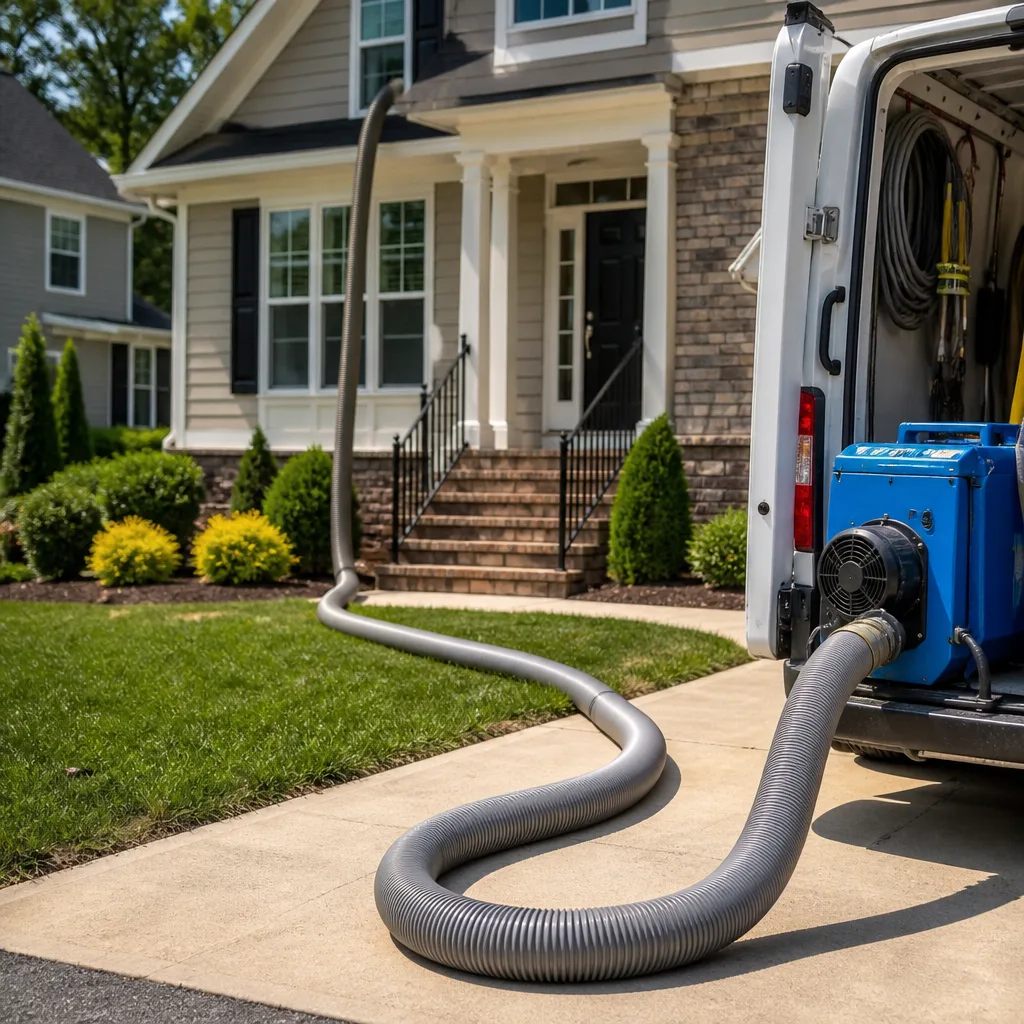 Whole-home duct cleaning
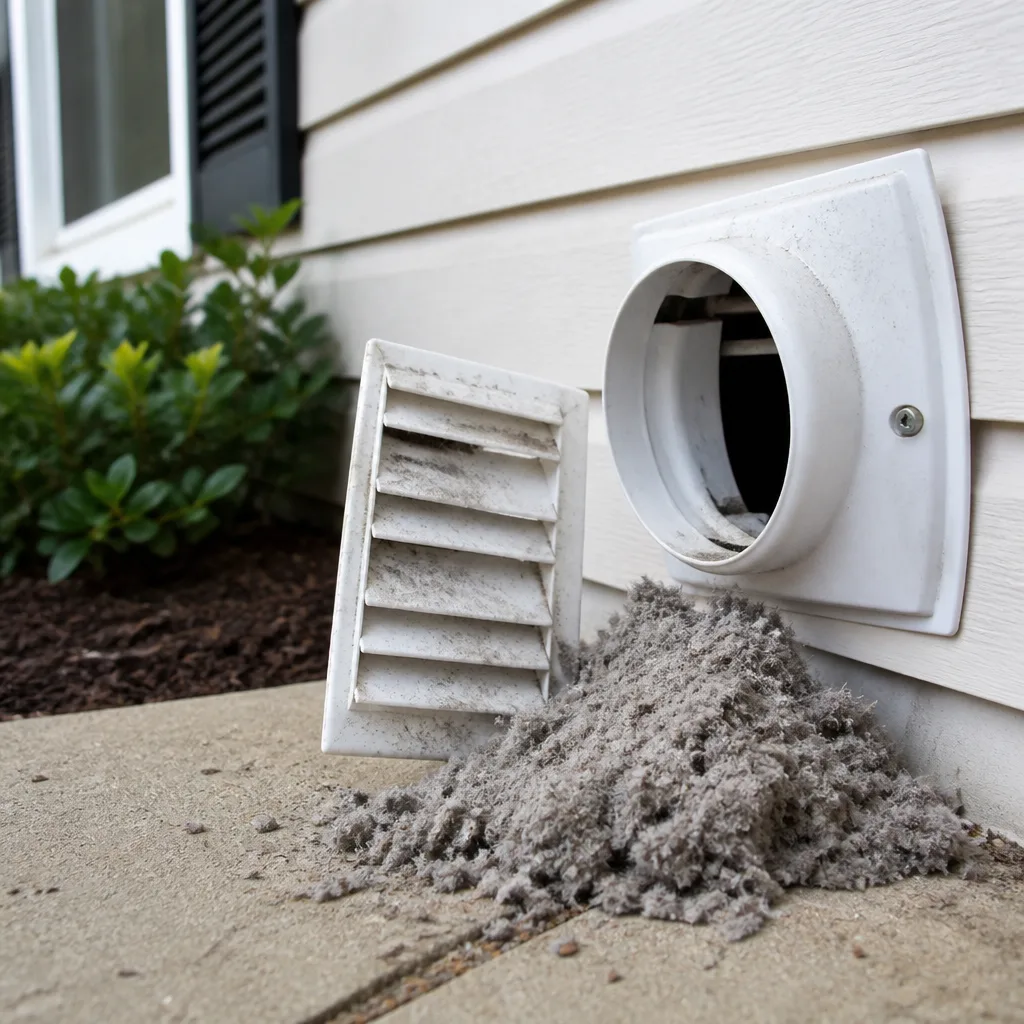 Dryer vent cleaning
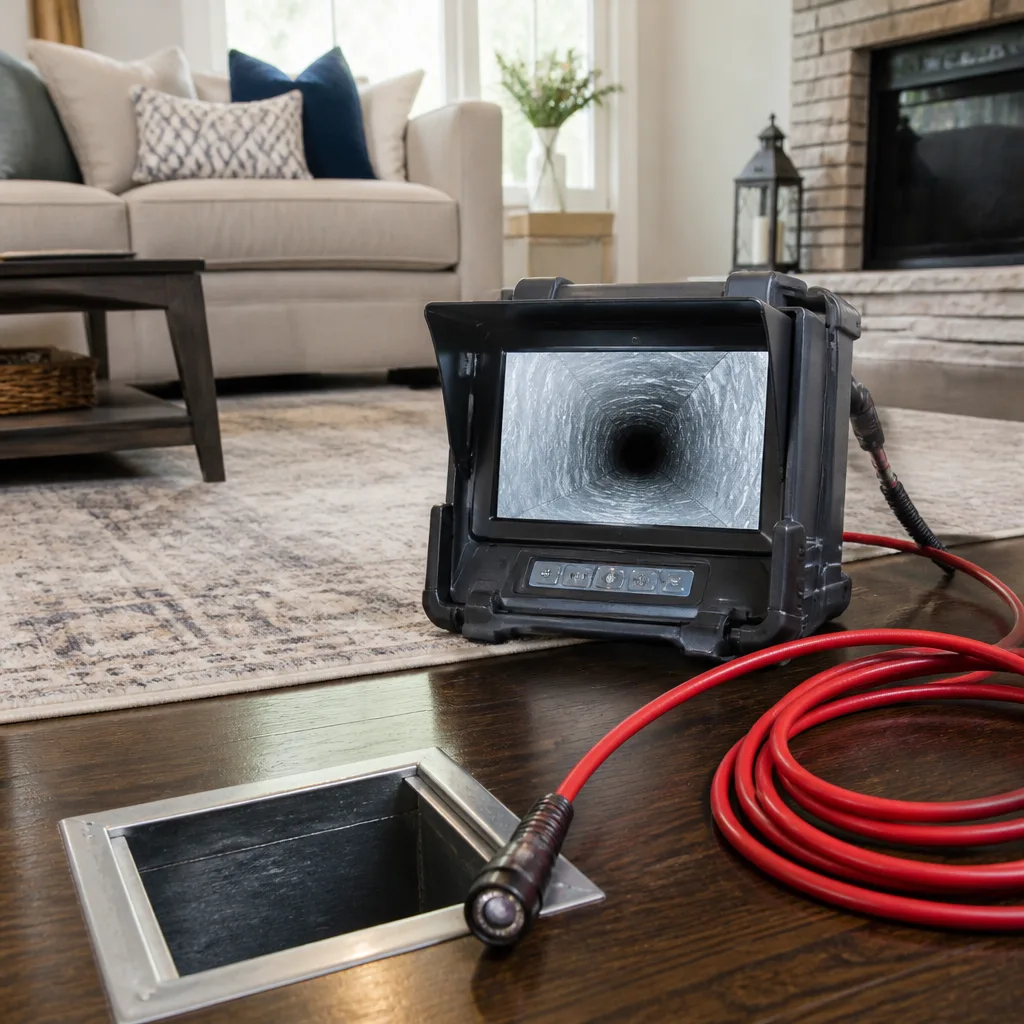 Camera inspection
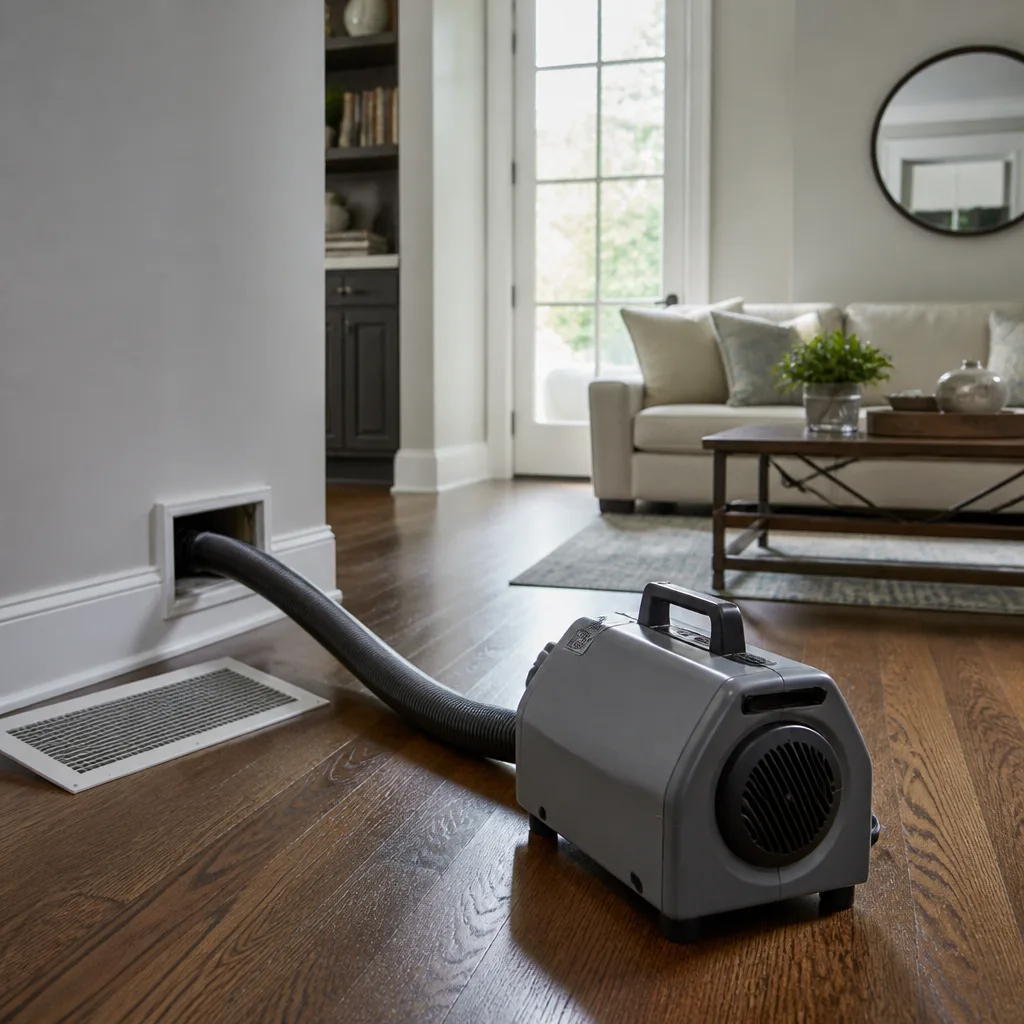 Sanitizing & deodorizing
Whole-system duct and dryer vent check with before-and-after photos - you see exactly what came out of your vents
That "$99 whole-house special" is a bait ad - the real number appears once they are in your hallway, or the "clean" is a shop-vac at the register. We photograph the inside of your ducts before and after instead.
Air Duct Cleaning Maintenance Checklist for Northeast Philadelphia Homeowners
Filter makers print their 90-day replacement window for a 2,500 square foot house with two occupants and no pets. Plenty of homes in Northeast Philadelphia don’t match that profile. A twin with a family of four, a shedding dog, and a finished basement return can load the same filter in under 45 days. The 90-day label is a baseline, not a schedule for your house. What follows is a month-indexed checklist tied to the mechanical events your home actually goes through: the heating switchover in fall, the humidity climb in summer, the condensate drain that clogs in July, and the pollen surge that rolls through the Delaware Valley every spring. You’ll learn what to inspect and when, how to run a tissue-paper airflow test at each register, which MERV ratings your older duct system can tolerate, and how to log the work so it counts at resale.
Quick Answer
A working air duct maintenance checklist for Northeast Philadelphia covers four seasonal checkpoints (April blower, July condensate drain, October duct inspection, December combustion air), a filter swap driven by pressure and dust rather than a printed 90-day label, a tissue-paper airflow test at every register, and a written log of every service date. Most homes need a professional duct cleaning every three to five years, sooner after renovation or a move-in, and duct repair and sealing whenever the airflow test or a return grille inspection shows gaps.
Styles & brands we work with
- Whole-home duct cleaning
- Dryer vent cleaning
- Camera inspection
- Sanitizing & deodorizing
Table of Contents
- The Month-by-Month Task Table
- April: Post-Heating-Season Blower Check
- July: Condensate Drain and Coil Check
- October: Pre-Heating-Season Duct Inspection
- December: Combustion Air Pathway Check
- The Tissue-Paper Airflow Test at Each Register
- Which MERV Rating Your Old Ducts Can Handle
- Logging Service Dates for Resale
- What to Look For Inside Accessible Return Grilles
The Month-by-Month Task Table
Most checklists are seasonal in name only. They tell you to “check your system before winter” without saying what to check or which month matters. The schedule below is anchored to the four mechanical transitions that actually happen in Northeast Philadelphia homes, where a hot, humid summer runs into a cold winter and the heating and cooling systems hand off twice a year.
| Month | Task | What You’re Looking For |
|---|---|---|
| April | Post-heating blower check | Dust load on the blower wheel, belt condition on older units, filter seating |
| July | Condensate drain and coil check | Standing water in the drain pan, algae in the drain line, dust mat on the evaporator coil |
| October | Pre-heating duct inspection | Loose joints, disconnected runs, crushed flex, dust trails at seams |
| December | Combustion air pathway check | Blocked return or supply near a converted system, soot traces at the furnace |
| Monthly | Filter inspection | Visible dust mat, bent pleats, filter pulled off its frame |
| Spring and fall | Register airflow test | The tissue test at each register (see section below) |
| Every 3-5 years | Professional cleaning | Whole-system vacuum, brush, and seal |
The table isn’t a rigid law. A home in Somerton with a finished basement and a dog may need the filter swapped every six weeks through spring. A two-person house in Bustleton might coast to 90 days. But the four seasonal checkpoints hold for every home in Northeast Philadelphia because they track the equipment, not the occupant.
April: Post-Heating-Season Blower Check
The blower is the part of your system that does the moving, and it is the part nobody looks at. By April it has run through a full heating season pulling air across a filter, and any dust that slipped past the filter has started to coat the blower wheel. A dirty wheel throws the balance off, and the motor starts drawing more current to move the same air.
Here’s what a proper April check involves:
- Cut power at the breaker or service switch. Never open a blower compartment with power on. The capacitor holds a charge even after the switch is off.
- Remove the filter and look at the blower wheel. A light film is fine. A visible mat or caked dust on the fins is a sign it needs cleaning.
- Check the filter frame seating. Filter frames warp, and a filter that’s pulled off by half an inch lets unfiltered air bypass it entirely.
- Look at the belt on older units. Cracks, glazing, or slack signal replacement.
- Confirm the blower spins freely with a hand push (power off) and that nothing rubs.
We recommend a trained technician handle the wheel cleaning itself. The fins are delicate, and bending them is easy. That said, seeing the condition yourself tells you whether a cleaning is overdue. If the wheel is heavily loaded, that’s often the first sign your duct system is passing more dust than the filter can handle, which is exactly the scenario air duct cleaning addresses with a rotary brush system. A Rotobrush run through the ducts in a Northeast Philadelphia twin after 15 years of no service typically pulls out pounds of fine dust that the filter alone never caught.
July: Condensate Drain and Coil Check
July in Northeast Philadelphia means high humidity, and high humidity means the air conditioner is condensing water out of the air every hour it runs. That water has to go somewhere: down a drain pan, into a condensate line, and out to a floor drain or pump. When that line clogs with algae or dust, the pan overflows, and water finds the ceiling below it. The evaporator coil also gets a mat of dust over the heating and cooling season, and a dust-coated coil cannot shed heat, which means the compressor runs longer and costs more.
What to check in July:
- Drain pan: Look for standing water. Any water is a problem, not a “normal trickle.”
- Condensate line: Trace it from the pan to the discharge point. Look for algae growth or a visible clog.
- Evaporator coil: If you can see the coil through the access panel (power off), look for a gray mat rather than shiny fins. That mat is dust, and it’s blocking the coil.
- Return air filter: A saturated filter in July loads the coil faster than any other season.
- Indoor humidity: If the house struggles to stay below 55% relative humidity with the AC running, the coil is likely fouled or the air handler is losing cold air to the attic.
A coil that’s coating up with dust is a strong cue for HVAC cleaning, not just duct cleaning, since the coil and blower sit in the system your ducts feed. Bringing in the trade-grade Nikro equipment our technicians use is how you clean the coil and air handler without damaging the fins, and it’s the same setup commercial contractors rely on. If you’re not sure whether the coil needs attention, a professional assessment is worth the call before August arrives.
October: Pre-Heating-Season Duct Inspection
Before the furnace takes over in October, walk your duct runs wherever you can see them: basement, garage, crawlspace, attic if you have one. October is the right month because the heating system is still off and the ducts are quiet, so any leak or disconnect is easier to spot.
Here’s what a homeowner can reasonably inspect:
- Follow each run from the main trunk. Look for a joint that’s open, tape that’s dried out, or a run hanging loose.
- Watch for dust trails at seams. A visible line of dust at a joint means air is escaping there.
- Check flex duct runs. A crushed, kinked, or sagging flex run cuts airflow dramatically.
- Inspect return trunks in older homes. A Northeast Philadelphia row home built in the 1960s often has return ducting that pulls through framing cavities, which slowly coats the wood with dust.
- Note anything you find, in writing. A short list of observations now is what a technician will use in November.
This is the point where duct repair and sealing earns its keep. Cleaning the ducts without sealing the leaks just means the same dust comes back, and any air escaping a leaky joint is air you paid to heat. When we seal a duct run, the goal is to close the gap so the system pulls from the intended return and pushes into the intended room. If you find loose joints or a disconnected run during the October check, that’s the moment to schedule duct repair and sealing before the heating season starts, not after.
December: Combustion Air Pathway Check
If your furnace is gas, oil, or any fuel-burning appliance, and the original system was ever swapped or the basement was finished around it, the combustion air pathway deserves a look every December. Combustion air is the fresh air the appliance draws to burn fuel safely. If the ducting or louver that supplied it was covered over during a renovation, or if a return duct was rerouted to pull from the room where the furnace sits, the appliance may be starved for air.
What to check:
- Louver or grille condition: Any grille that supplied fresh air to the furnace room should be open and clear.
- Soot traces: Black marks around the furnace flue or burners are a signal to call a qualified professional and not to run the system.
- Return air placement: A return grille in the same closet as a gas furnace is a safety concern, not an efficiency tweak.
- Fresh air intake: Confirm it’s connected to the outdoors and not drawing from a dingy basement corner.
We say this plainly: don’t make combustion air adjustments yourself. Call a qualified professional. Your December job is to notice and document, not to modify. If you find a problem, a trained technician diagnoses it, and the duct-side work (sealing a return that shouldn’t be there, opening a blocked path) is what a duct professional handles.
The Tissue-Paper Airflow Test at Each Register
This is the cheapest diagnostic in the house. You take a single square of tissue paper, hold it up to a supply register with the system running on fan-only, and watch what it does. If it flutters and stays sucked against the grille, the run has decent flow. If it hangs there limply or falls away, that register is starved. If it pulls hard enough to bend the paper nearly flat, the run is likely overpowered because other runs have closed off.
Here’s the test in five steps:
- Set the thermostat to fan-on. The system runs the blower without heating or cooling.
- Hold the tissue about two inches from each supply register (the outlets blowing into rooms).
- Record the result for each register: strong, weak, or none. Note the room, not just the number.
- Repeat at each return grille (the large intakes that draw air back). A weak return matters as much as a weak supply, and often more.
- Compare across rooms. A single weak register suggests a partially blocked or disconnected run. Multiple weak registers across a floor suggests a starved blower, a crushed trunk, or a filter that’s killing static pressure.
What the test can’t tell you is why a run is weak. A crushed flex duct, a disconnected joint in the attic, a register boot that was never connected, a closed damper, and a filter depriving the whole system all look the same from the tissue’s point of view. That’s when you bring a specialist in for a proper inspection. In our experience across Northeast Philadelphia, the tissue test routinely uncovers one or two registers with weak flow in homes that have never had a professional look inside the duct system.
Which MERV Rating Your Old Ducts Can Handle
Many homeowners in Northeast Philadelphia assume a higher MERV rating is always better, so they switch to MERV 13 and then wonder why some rooms feel stuffy afterward. Older duct systems, particularly the ones in 1960s-era row homes, were sized on lower static pressure. A high-MERV filter is dense, which means it pushes back on the blower. The blower loses airflow, and the rooms at the end of the longest runs get starved first.
Here’s the general starting point for older, lower-static-pressure systems:
- MERV 8: The realistic choice for a pre-1980s duct system that’s running close to its static pressure limit. Captures pollen, mold spores, dust mite debris, and most pet dander.
- MERV 11: A reasonable middle ground in a system with a bit more blower capacity, or a newer air handler.
- MERV 13: Effective filtration for allergy and asthma households, but only if the system has the static pressure headroom for it. A 1960s Rhawnhurst row home with a small air handler usually doesn’t.
- MERV 16 or HEPA: Rarely appropriate in a residential duct system without a dedicated filter cabinet and a designed blower. These typically require a purpose-built air-quality system.
The right answer for your home depends on the blower, the duct sizing, and the number of returns. A less direct route to better air is a whole-house filter cabinet plumbed through the return, and that’s where products like Aprilaire and Honeywell whole-house filters earn their keep: they filter to a high MERV without fighting the blower the way an undersized slot filter does. Our technicians install these as part of a complete air-quality solution, and we size the filter to the system rather than the shelf. If you’ve tried MERV 13 and something felt wrong, you probably lost airflow. Reverting to MERV 8 and running the tissue test again usually confirms it.
Logging Service Dates for Resale
The maintenance record is the difference between “I’ve had the ducts cleaned” and proof it happened. It also supports resale documentation when a buyer or an inspector asks about indoor air. A short, dated log of every service, filter swap, and observation is more useful than a stack of receipts at the bottom of a drawer.
What to log:
- Date of each filter swap, and the MERV rating installed.
- Date and scope of any professional service: duct cleaning, HVAC cleaning, dryer vent cleaning, duct repair and sealing, sanitizing.
- Observations from each seasonal check: blower condition, coil condition, tissue test results, anything you noticed.
- Product names and model numbers for any filter cabinet, whole-house filter, or sanitizing product installed.
- Before-and-after photos of the duct interior after a professional cleaning, if the provider supplies them. Ask for them.
Keep the log in the same place as the furnace manual and the water heater card. A one-page record covering every register in the home takes five minutes a year to fill out, and it’s the kind of documentation that answers an inspector’s question without a call to a previous owner. When you do order HVAC cleaning, log the date, the system covered, and which components were cleaned. That’s the number a future buyer will want to see.
What to Look For Inside Accessible Return Grilles
Some tasks you can do yourself. Others are a sign to call. The return grille is the easiest place to tell the difference, because it’s the intake where dust settles first and it’s usually accessible without tools beyond a screwdriver.
What you can handle:
- A light, even film of dust on the grille fins. Wipe it with a damp cloth.
- Loose debris (pet hair, dust bunnies) sitting on the grille face.
- A grille that vibrates against the wall. Tighten the screws or apply a felt pad.
- Changing a filter or swapping a slot filter in the return.
What signals a professional call:
- Black or dark gray coating on the inside of the grille and the boot behind it. That’s a heavy dust load the filter has been unable to catch.
- Visible gaps where the boot meets the wall or the boot meets the duct. That’s an unsealed joint pulling attic or wall air into the system.
- Debris wedged in the return boot (construction dust, drywall chips, chunks of insulation) that the grille won’t let you see past.
- A musty smell that gets stronger when the system runs.
- Rust streaks or water staining on the inner boot surface, suggesting moisture was pulled into the duct.
The first list is cleanup. The second list is a system problem, and cleaning alone won’t fix it. Our technicians carry the Rotobrush rotary brush and a trade-grade vacuum setup for the interior work, and for homes with elevated air-quality needs we bring Abatement Technologies equipment to handle the load. Professionally applied sanitizing and surface treatment uses products like Guardsman as part of the same visit, so the sequence from brush to seal to sanitize runs in one appointment rather than three.
Common Mistakes to Avoid
- Replacing the filter on a fixed 90-day calendar regardless of dust load. The published window is a baseline for a small, low-traffic home. Your filter in a Northeast Philadelphia twin with a dog and a basement return may need changing monthly through spring.
- Jumping straight to MERV 13 in a 1960s-era system sized for lower static pressure. The filter fights the blower, and you starve the far rooms of airflow.
- Skipping the summer condensate check. An overflowing pan in July is a ceiling leak in August, and the AC will be running hard through the whole stretch.
- Cleaning without sealing. A duct cleaning on a system with unsealed joints and a disconnected run just moves the same dust around. Repair and sealing are the front half of the fix, not the optional extra.
- Ignoring a weak tissue test at multiple registers. Three weak registers across a floor almost always point to a starved blower or crushed trunk, and running the system won’t fix it.
- Doing combustion air adjustments yourself. A furnace that’s short of combustion air is a safety issue. Call a qualified professional to diagnose it, and don’t run the appliance until you have a clear answer.
- Keeping no written record. A maintenance log protects you at inspection and helps a future buyer trust the home. Photos plus dates cost nothing to keep.
See the difference
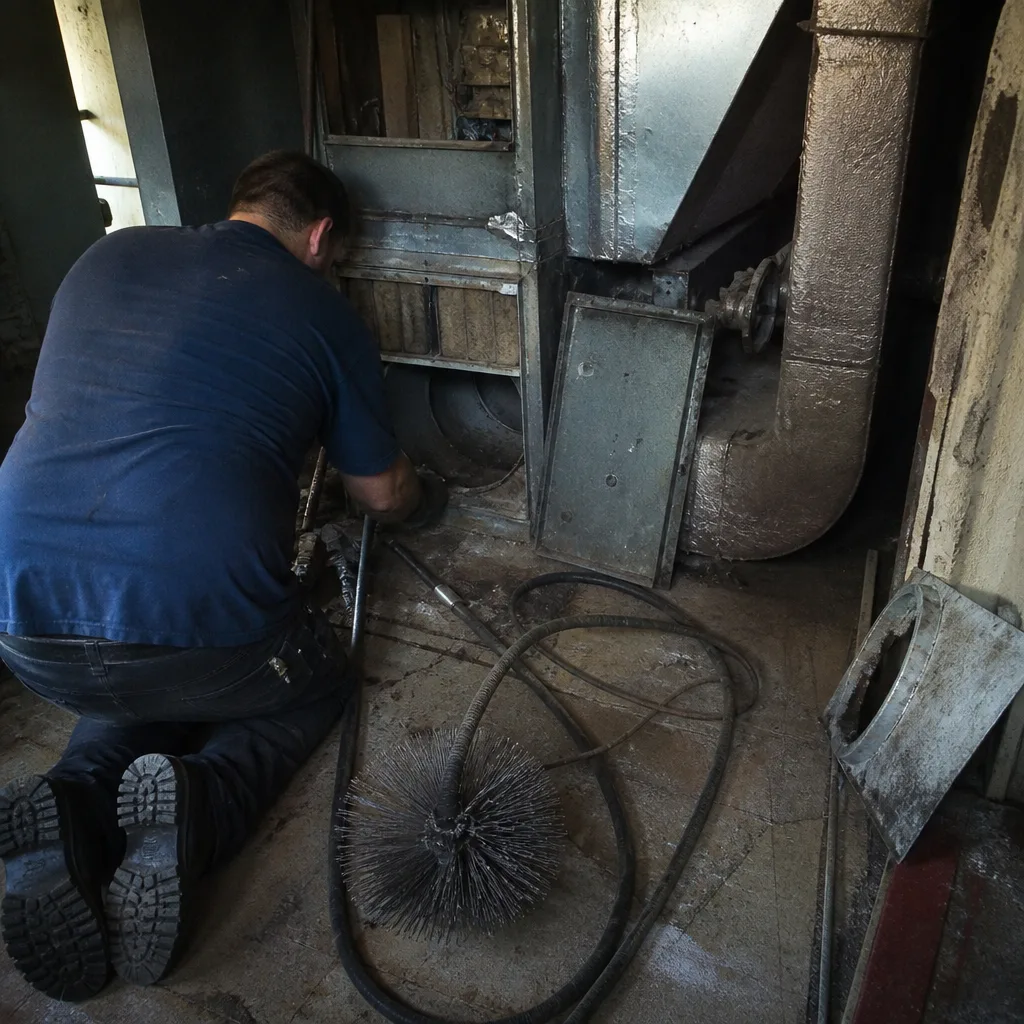 Before
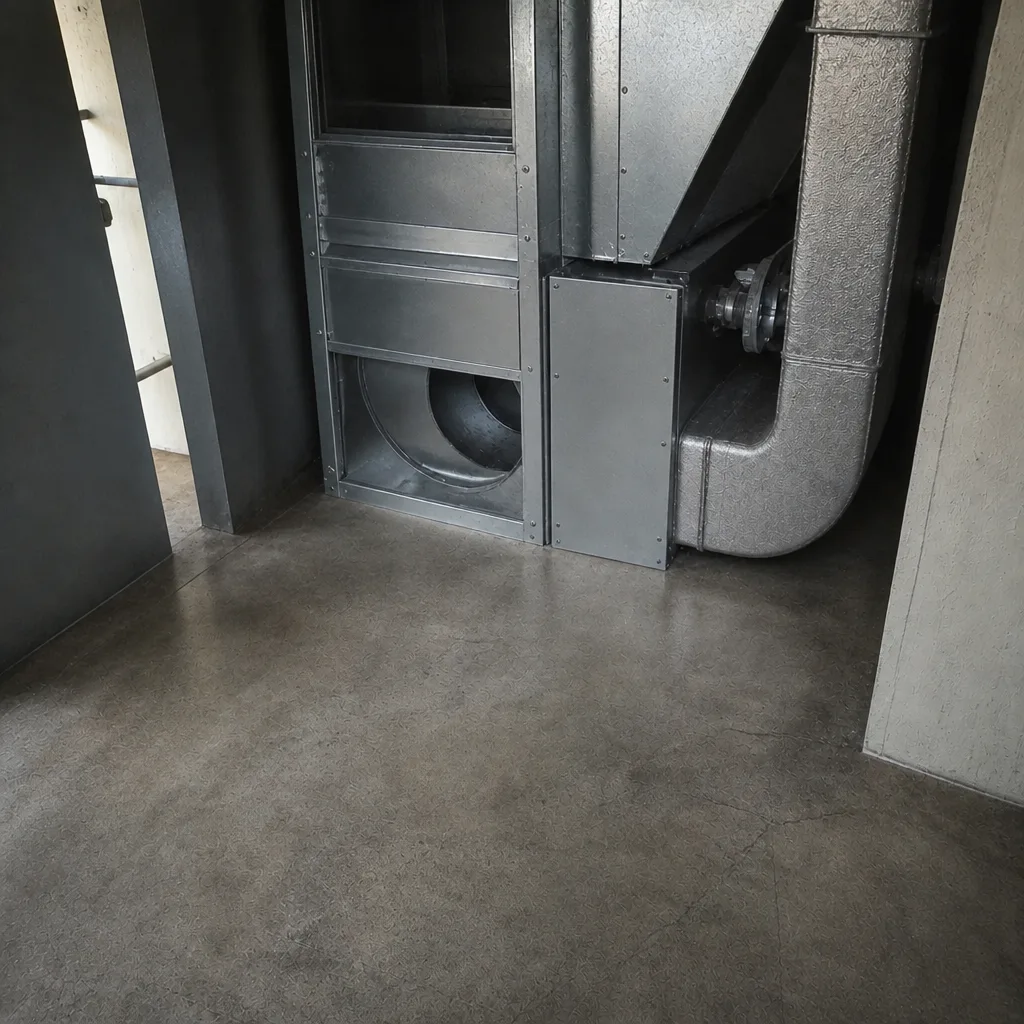 After
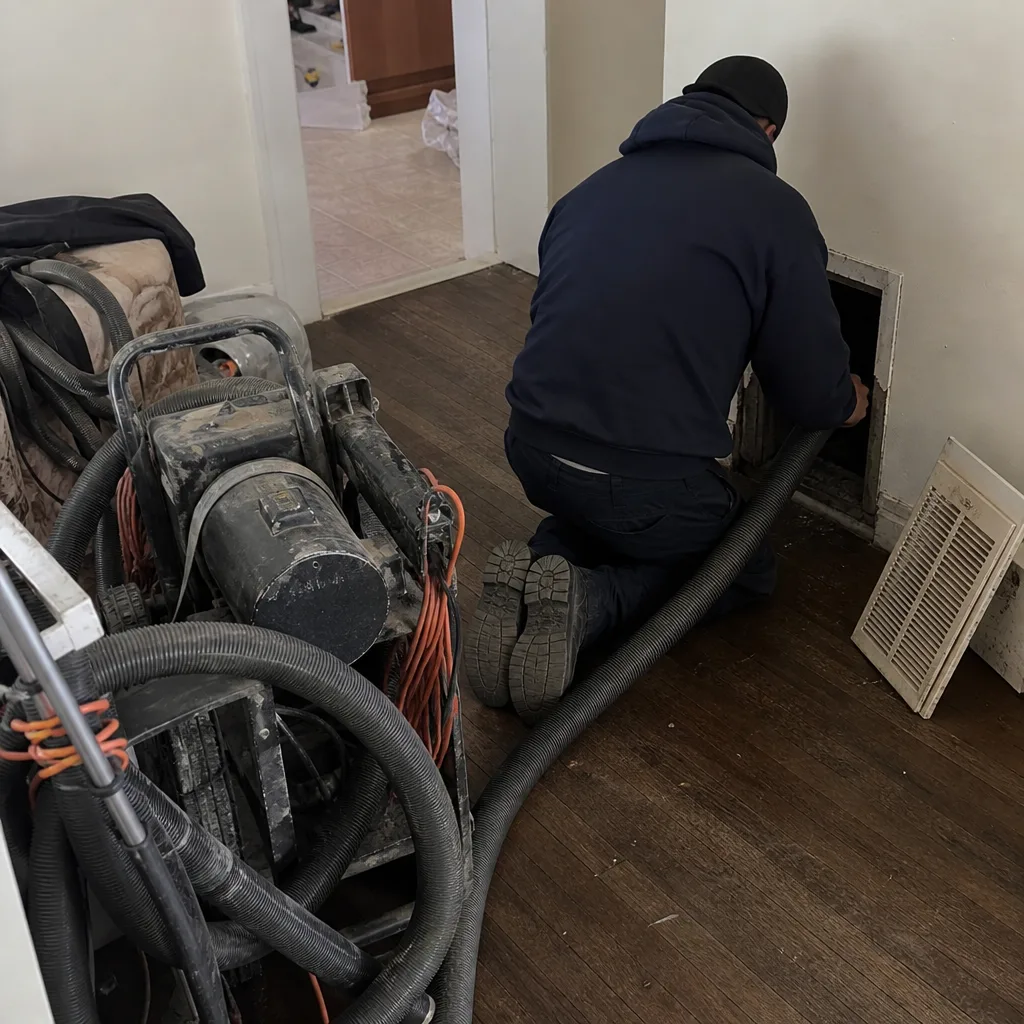 Before
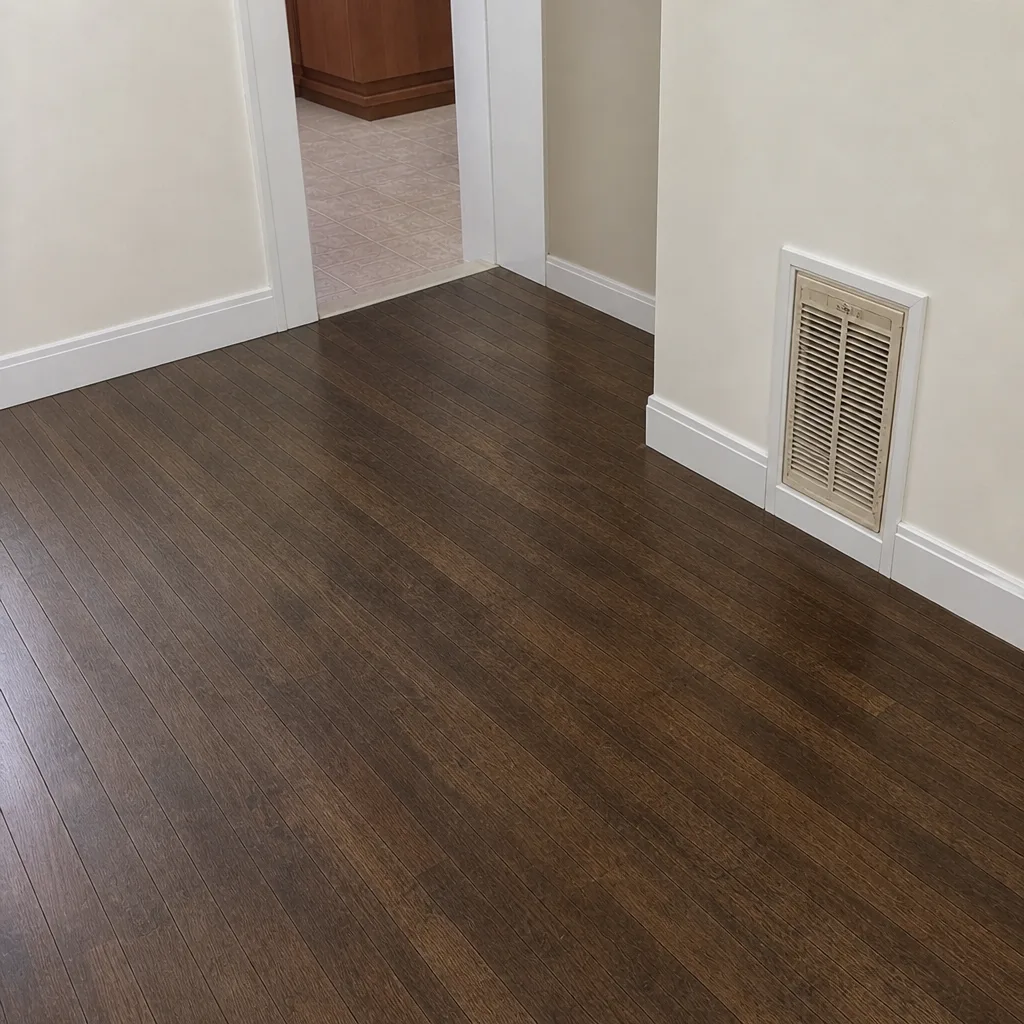 After
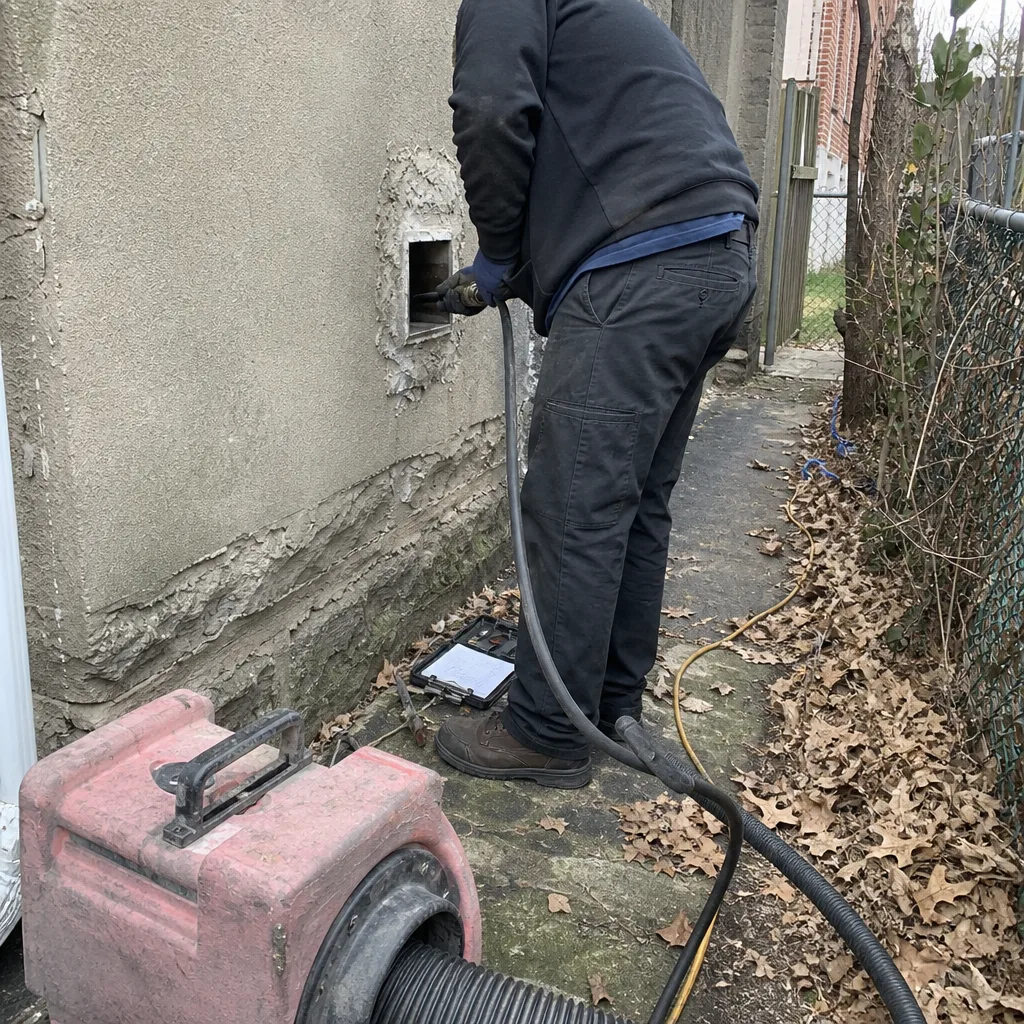 Before
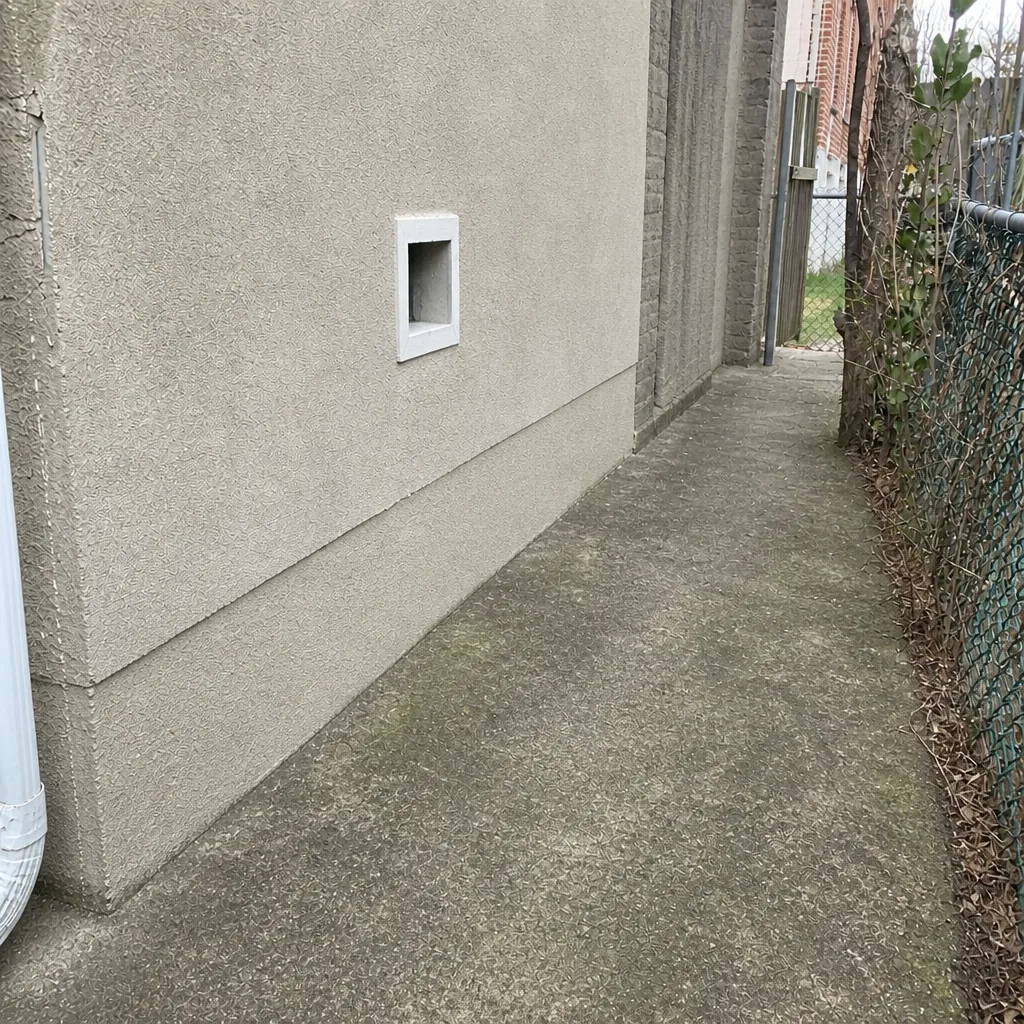 After
When to Call a Professional
Call a professional when the tissue test shows weak or no flow at more than one register, when a return grille shows black coating or visible debris behind the boot, when the evaporator coil has developed a visible mat, when a duct run is crushed or disconnected, or when three or more years have passed since the last professional cleaning. Call sooner after a renovation, a move-in, or any event that pulled construction dust into the system. A system that smells musty every time the blower starts is also a professional visit, not a filter swap.
Air Duct Cleaning Northeast Philadelphia offers free estimates in Northeast Philadelphia. Call (833) 508-9983. We answer 24/7. Fast dispatch from 7am to 7pm, Sunday through Friday. The local pro is licensed and insured as their state requires, and you get one flat price per system agreed before work starts, with before-and-after photos of your own ducts when the job is done.
Frequently Asked Questions
Every three to five years for most homes, with the interval tightened to every two to three years for homes with pets, allergy sufferers, or a recent renovation. A home that’s just been purchased in Northeast Philadelphia usually benefits from a cleaning in the first year, since previous maintenance is unknown. Run a tissue test and check your return grilles quarterly, and let the results guide the timing rather than a fixed number of years. Call (833) 508-9983 for an exact quote – estimates are free.
Whole-system pricing depends on the number of registers, the number of systems, and whether duct repair and sealing is needed. What matters more than the number is the pricing model: a whole-system quote agreed before work starts, not a per-vent figure. Be cautious of a per-vent quote that grows once a technician is on site, because that’s where unexpected charges enter the invoice. Every job here is priced per system by written estimate. Call (833) 508-9983 for a free estimate.
A cheap quote is usually a lower scope: a shop-vac through one or two registers rather than a whole-system mechanical clean. Contractor-grade equipment like Rotobrush and Nikro reaches the trunk, the boots, and the air handler; consumer setups don’t. Before you accept a quote, ask what equipment is used, whether the coil and blower are included, and whether the provider offers duct repair and sealing if the inspection shows a gap. A low quote that doesn’t cover those elements isn’t saving you anything. Call (833) 508-9983 for a free estimate that spells out the scope.
Ask for before-and-after photos of your own ducts, taken behind the grille and inside the trunk. A technician using the right equipment will bring a camera or hand you photos from the job. Also ask for a written scope of what was cleaned and any repair or sealing that was done. The maintenance log you keep is the receipt. Call (833) 508-9983 to schedule a free estimate you can compare directly.
Filter changes handle the dust the filter catches; they don’t remove what’s already sitting in the ducts and boots. In an older Northeast Philadelphia row home, the return system often pulls through framing cavities that coat over time, and a filter upstream of that can’t clean it. Filter changes are the front line, and duct cleaning is the periodic reset. Call (833) 508-9983 for an exact quote – estimates are free.
Yes, if the dryer vent hasn’t been cleaned in more than a year, since dryer vent cleaning tackles a different fire and airflow concern and pairs naturally with a scheduled duct visit. Lint buildup cuts dryer efficiency and adds a fire risk, and the equipment is already on site. Book the two together and you avoid scheduling twice. Call (833) 508-9983 for a free estimate.
The Bottom Line
Air duct maintenance is a calendar, not a slogan. Anchor the year to April (blower), July (condensate and coil), October (pre-heat duct inspection), and December (combustion air), run the tissue-paper test each season, and match the MERV rating to your system’s static pressure headroom instead of the highest number on the shelf. Clean, seal, and repair in the same visit, keep a written log for resale, and use the return grille to tell the difference between a wipe-down task and a professional call. A Northeast Philadelphia home runs through four real seasonal transitions a year, and a checklist tied to those beats one that just says “change the filter every 90 days.”
Air Duct Cleaning Northeast Philadelphia covers the full indoor-air chain: air duct cleaning, dryer vent cleaning, HVAC cleaning, duct repair and sealing, and air quality and sanitizing, with Contractor-grade equipment throughout. Call (833) 508-9983 for a free estimate. We answer 24/7. Fast dispatch from 7am to 7pm, Sunday through Friday.
Written by the team at Air Duct Cleaning Northeast Philadelphia.