
Last updated November 22, 2026
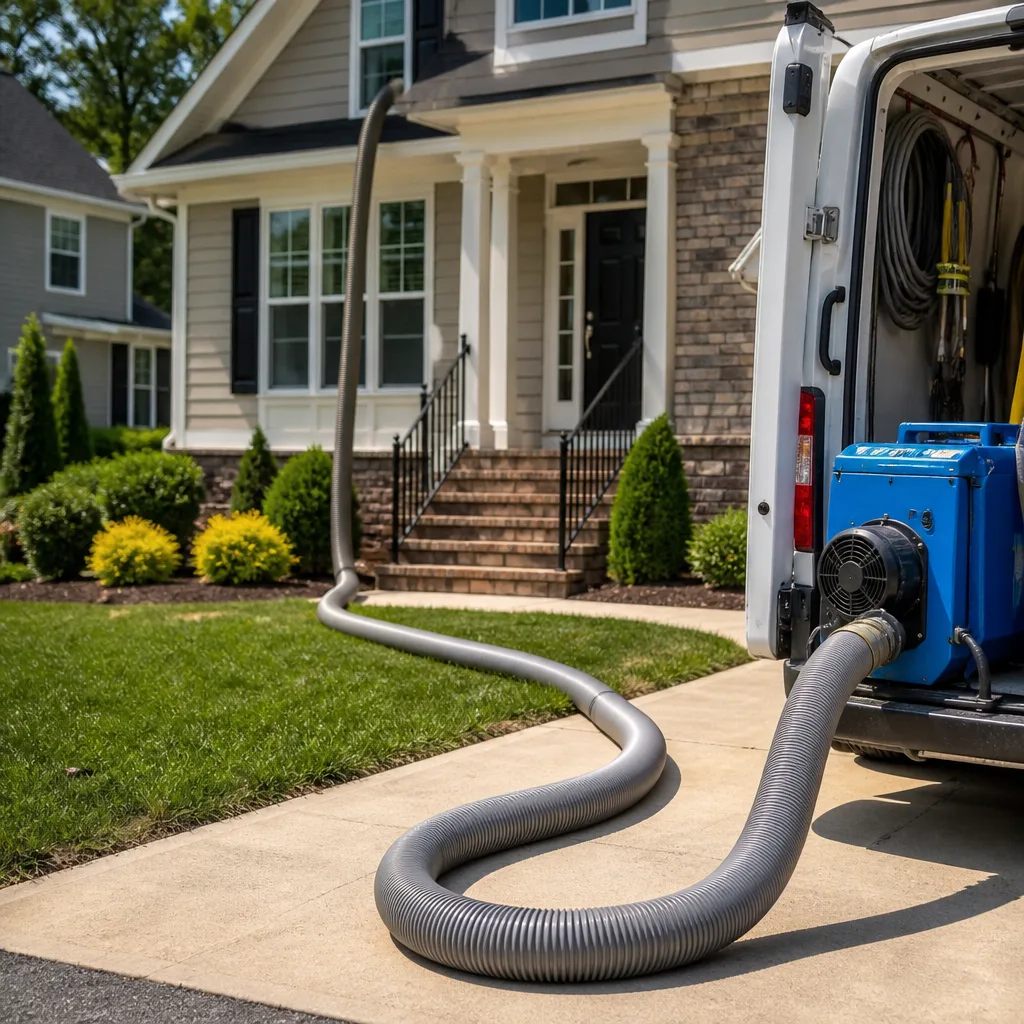 Whole-home duct cleaning
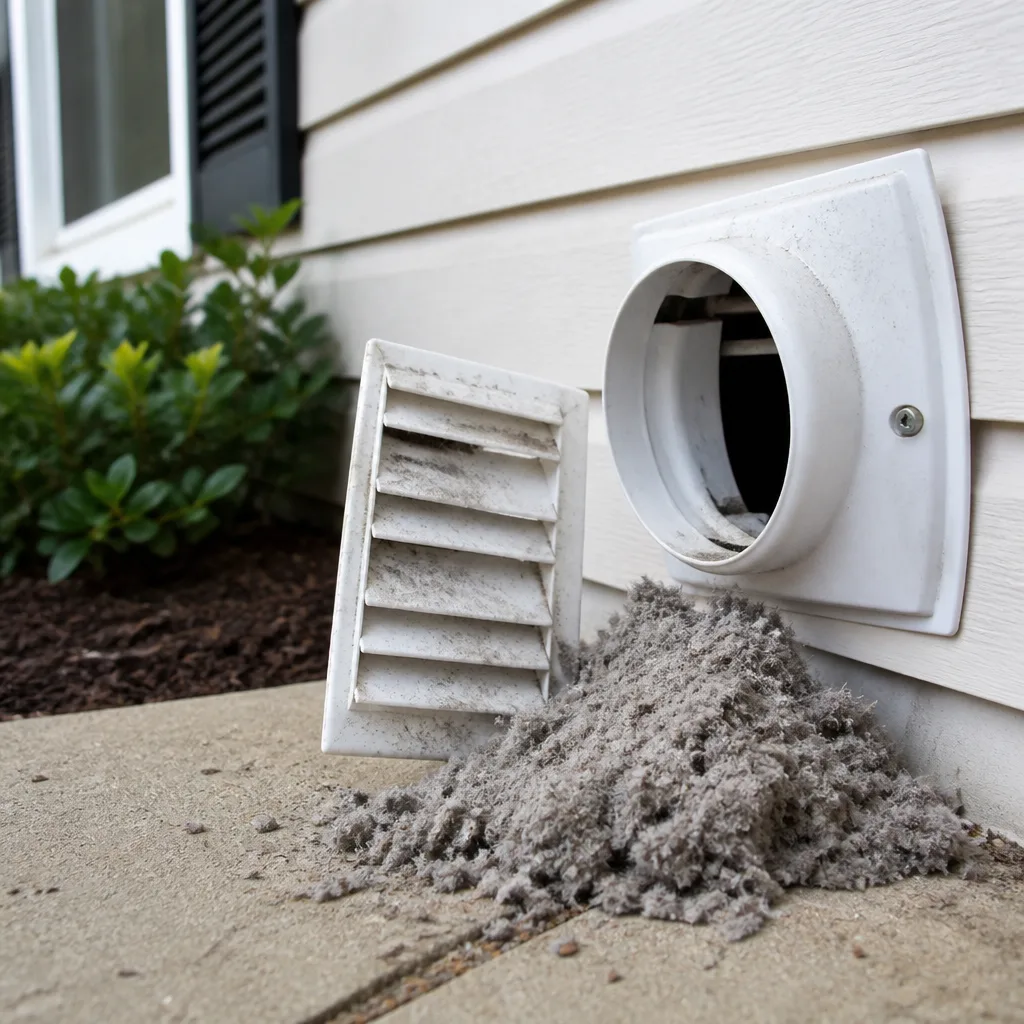 Dryer vent cleaning
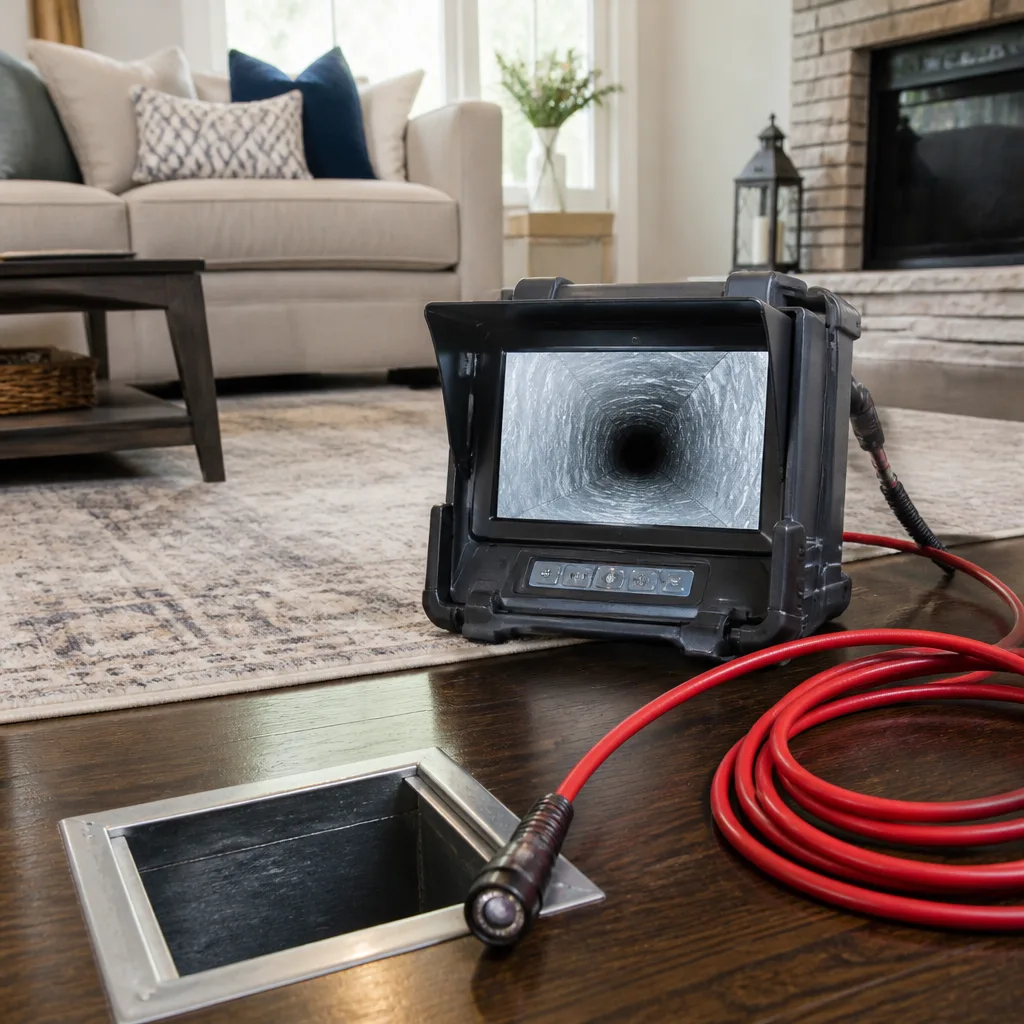 Camera inspection
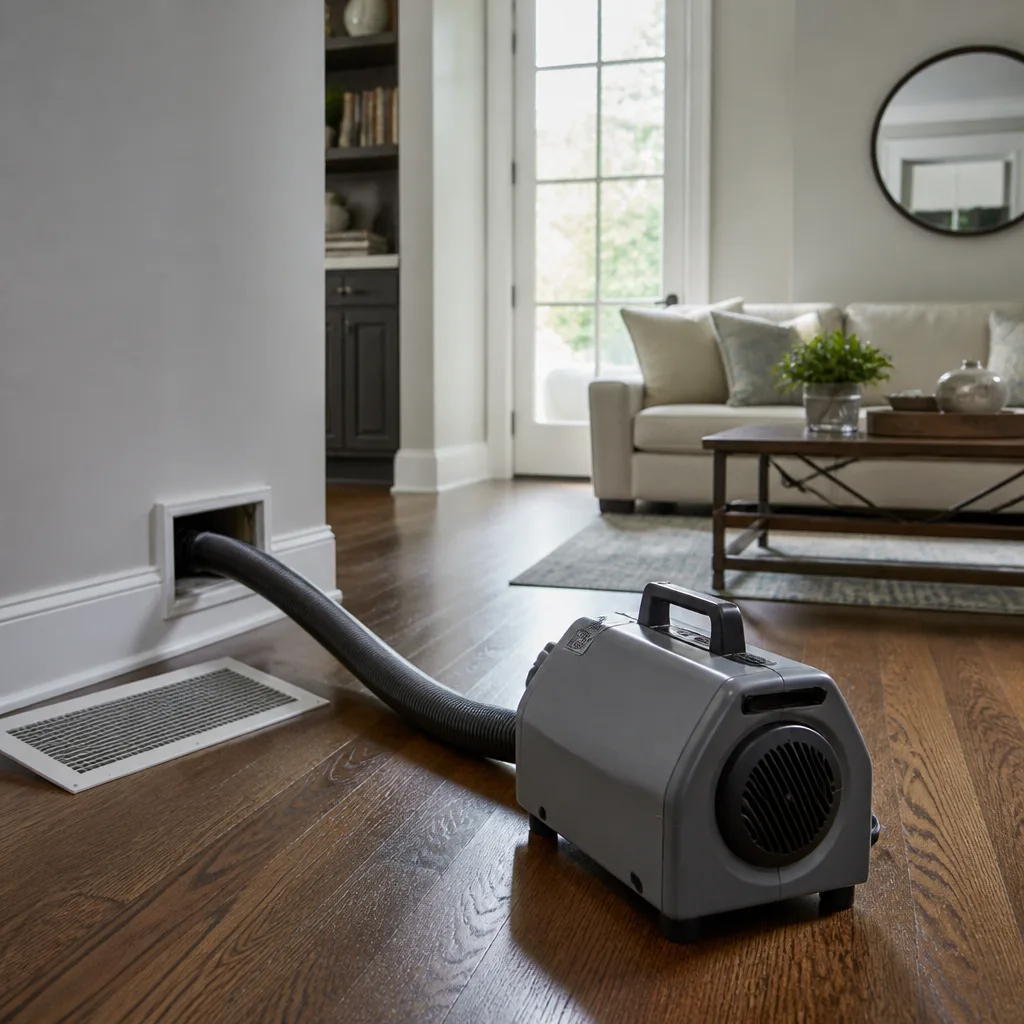 Sanitizing & deodorizing
Whole-system duct and dryer vent check with before-and-after photos - you see exactly what came out of your vents
That "$99 whole-house special" is a bait ad - the real number appears once they are in your hallway, or the "clean" is a shop-vac at the register. We photograph the inside of your ducts before and after instead.
DIY vs Professional Air Duct Cleaning: The Northeast Philadelphia Homeowner’s Decision Guide
Here’s the part most duct-cleaning articles get wrong: DIY duct cleaning isn’t a myth. There are real maintenance tasks a Northeast Philadelphia homeowner can and should handle. But the line between what you can do and what needs a professional isn’t drawn by effort or how much time you have. It’s drawn by equipment capability. A shop vacuum cleans what you can see at the register and pushes what you can’t see deeper into the run. This guide draws that line precisely, task by task, so you can make a rational call instead of guessing.
Quick Answer
You can legitimately handle register and grille cleaning, filter swaps with the right MERV rating, and clearing surface lint from a short dryer vent run yourself. Whole-duct source removal, rotary brush agitation on long supply runs, blower wheel cleaning, and coil treatment require contractor-grade equipment that creates sustained negative pressure and mechanically agitates the full duct interior. For most Northeast Philadelphia homes with more than a few years of accumulated debris, the professional job is the one that actually removes the contamination rather than moving it around.
Styles & brands we work with
- Whole-home duct cleaning
- Dryer vent cleaning
- Camera inspection
- Sanitizing & deodorizing
Table of Contents
- What Northeast Philadelphia Homeowners Can Legitimately DIY
- What Requires Professional Equipment
- The Dryer Vent: Where DIY Goes Furthest
- The Honest Cost-Benefit Table
- When DIY Attempts Can Cause Damage in Northeast Philadelphia Homes
- When the DIY vs. Pro Question Is Moot
- Common Mistakes to Avoid
- When to Call a Professional
What Northeast Philadelphia Homeowners Can Legitimately DIY
Most homes in Northeast Philadelphia are older than the ductwork that serves them, and that gap matters. A house built in the 1950s or 1960s has supply runs that were retrofitted decades later, often in ways only visible from inside the basement or crawl. You don’t need to open any of that up to do useful maintenance. You just need to stay in your lane.
Here are the tasks that genuinely belong to the homeowner:
- Register and grille cleaning. Pop off the supply and return grilles, wash them in the sink with a degreaser, dry them fully, and put them back. Grilles collect dust, pet hair, and cooking film faster than the duct itself. Cleaning them changes what you smell and see more than you’d expect.
- Filter replacement with correct MERV selection. Check the filter at the air handler or return grille every 30 to 90 days. A MERV 8 to MERV 11 filter is a reasonable balance for Northeast Philadelphia homes; going to MERV 13 or higher on an older blower can restrict airflow. Match the filter to the system, not the marketing on the box.
- Visual inspection with a phone camera. Shine a light into any straight run you can reach at an open register boot. Take a photo with your phone on video mode and slowly pull it out. You’re looking for visible matting, debris piles, or pest droppings, not diagnosing the whole system.
- Exterior vent cover checks. Make sure the outside termination for your dryer vent and any fresh-air intake is clear of lint, leaf litter, or bird nests. This is simple, safe, and often overlooked.
- Surface vacuuming around boots. A brush attachment run around the floor and ceiling boots picks up dust the grille was catching. It doesn’t touch the duct interior, but it keeps the immediate area clean.
None of this is cosmetic busywork. These steps reduce what gets pulled into the system in the first place. But none of them reach the debris that’s already settled into the runs, which is where the professional conversation begins.
What Requires Professional Equipment
A consumer-grade shop vacuum might pull around 55 CFM at the register opening. That number sounds impressive until you do the math on a 6-inch round duct. To move debris through 20 feet of duct run, you need sustained negative pressure across the full length of the system, plus mechanical agitation to break the debris loose from the duct walls. A shop vacuum can’t do either. It cleans the register. It can actually redistribute what’s inside the run by pulling it toward the opening without capturing it.
Professional equipment handles the parts the shop vac cannot:
- Negative-air-machine source removal. A properly sized negative air machine with HEPA filtration creating 1,000 CFM or more of sustained suction at the duct run is the baseline for whole-system cleaning. That’s what mobilizes settled debris from the far end of a run, not the opening.
- Rotary brush agitation. A powered rotary brush like the Rotobrush system travels through the duct interior, mechanically scrubbing the walls so debris is loose enough to be captured. On supply runs longer than 10 feet, this step is not optional.
- Blower wheel cleaning. The blower wheel inside the air handler collects a mat of dust that reduces airflow and can throw particles back into the airstream. Cleaning it requires disassembly, and disassembly is a professional task.
- Coil surface treatment. Evaporator coils grow a biofilm that no amount of register cleaning touches. Coil treatment and cleaning are separate from duct cleaning but part of the same system, and doing one without the other leaves the loop incomplete.
- Sanitizing with appropriate products. When we use products like those from Guardsman after a mechanical cleaning, the surface treatment is the finishing step, not a substitute for agitation.
That’s the real dividing line, and it’s mechanical, not motivational. If the equipment can’t create negative pressure and agitate the full run, the job isn’t being done.
The Dryer Vent: Where DIY Goes Furthest
Of all the duct runs in a Northeast Philadelphia home, the dryer vent is the most accessible and the most legitimately DIY-friendly up to a point. Lint builds up along the inside of the run starting at the transition duct behind the dryer. That first stretch, and the flexible transition itself, is something you can clear yourself with a vacuum hose and a lint brush.
The limit is the first bend. Once the vent run turns inside a wall or travels more than a few feet with elbows, DIY access runs out. Long corrugated runs in older rowhouses, especially where the dryer is in a basement or first-floor laundry with the termination on the roof line, are hard to inspect from inside and harder to clear. That’s when a dryer vent cleaning call does what a brush from the hardware store can’t.
Dryer vents are also where DIY carries the highest risk of false confidence. A clogged vent that hasn’t been cleared becomes a fire risk, and pulling the flexible transition off without checking whether lint has packed into the rest of the run can leave the real problem in place. Clear what you can see. Get the rest inspected.
The Honest Cost-Benefit Table
Most DIY-vs-pro decisions come down to whether the DIY version produces a documented outcome or just a feeling of having done something. Here’s an honest breakdown for a typical Northeast Philadelphia home:
- DIY register and grille cleaning: cost is your time and a bottle of degreaser. Outcome: cleaner grilles, slightly less airborne dust. Doesn’t touch duct interiors.
- DIY filter replacement: cost of the filter plus a few minutes. Outcome: real and measurable. This is the highest ROI task in the entire list and should never be skipped.
- DIY shop-vac attempt at duct interiors: cost of a shop vac if you don’t own one, plus a few hours. Outcome: visible dust at the register removed, settled debris redistributed, no documentation.
- DIY dryer vent clearing to the first bend: cost of a vent brush. Outcome: clean transition duct, but not the run past the first elbow.
- Professional whole-system duct cleaning with rotary brush and negative air: a free estimate first, then a flat price per system agreed in writing before work starts. Outcome: source removal, before-and-after photos of your own ducts, service documentation you can keep for resale or warranty purposes.
Notice that the professional entry isn’t just about cleaning quality. Documentation counts at resale and when an insurer or a home warranty asks for service history. A stack of phone photos from a shop vac attempt and a written service record with before-and-after photos are not the same thing. If you’re weighing the real cost, our guide to air duct cleaning walks through whole-system estimates and what they cover.
When DIY Attempts Can Cause Damage in Northeast Philadelphia Homes
The row houses and post-war singles that make up so much of Northeast Philadelphia’s housing stock have specific weak points that make a curious homeowner with a shop vac a genuine liability. This isn’t a scare tactic. It’s a list of what actually breaks.
- Pre-1980 duct tape and asbestos-containing wrap. Older systems in Mayfair, Holmesburg, and similar neighborhoods often have fabric duct tape or insulation wrap that has dried out over decades. The adhesive and backing can contain asbestos. Poking at it with a vacuum nozzle or a brush dislodges fibers that should not be made airborne in a residential setting. If the tape is old, dusty, and fibrous, leave it alone and get it assessed.
- Improperly connected flex duct joints in finished basements. Many finished basement runs are flex duct hung from joists with zip ties or minimal strapping. Pulling on them from inside the run disconnects the joint, which means you’re now conditioning the joist cavity instead of the room. Reconnecting a flex joint in a finished ceiling is a repair, not a cleaning.
- Home-remedy moisture treatments. Fogging a duct with a spray bottle of vinegar, tea tree oil, or “duct cleaner” from the internet introduces moisture into a dark, warm environment. That’s a recipe for microbial growth on the duct interior and any exposed liner. Mechanical cleaning followed by a proper sanitizing treatment is a controlled process, not a spray bottle exercise.
- Damaged duct liner. Interior liner on older systems can become friable. A rotary-style brush or an improvised rod pushed through a deteriorating liner shreds it into the airstream, which is worse than the debris you were trying to remove. If the liner is already failing, this becomes a duct repair problem, which is one of the reasons we treat HVAC cleaning and duct repair as connected services rather than separate ones.
Why the “Just Rent a Bigger Vacuum” Argument Falls Apart
Rental centers in Northeast Philadelphia do rent larger shop vacuums, and it’s tempting to think that closes the gap. It doesn’t. A larger wet/dry vacuum still terminates at the register opening. The air still has to travel through the duct run to reach the nozzle, and the suction at the far end of a 20-foot run drops off dramatically. You also have no agitation, no HEPA containment, and no way to observe what’s actually moving.
Professional systems work from both ends of the problem. The negative air machine creates a pressure differential across the entire system, and the rotary brush does the mechanical work of separating debris from the duct wall so the airflow can capture it. That’s why we work with Rotobrush and Nikro equipment. These are the same tools commercial HVAC contractors depend on to clean systems that can’t be shut down for days. Contractor-grade equipment with residential care is the whole point.
There is also a simple observation that most DIY articles skip: you cannot see whether the work was done. When a professional cleans a system, the before-and-after photos of your own ducts show the interior wall condition. When you clean it yourself, you know you made an attempt. Those are different pieces of information.
See the difference
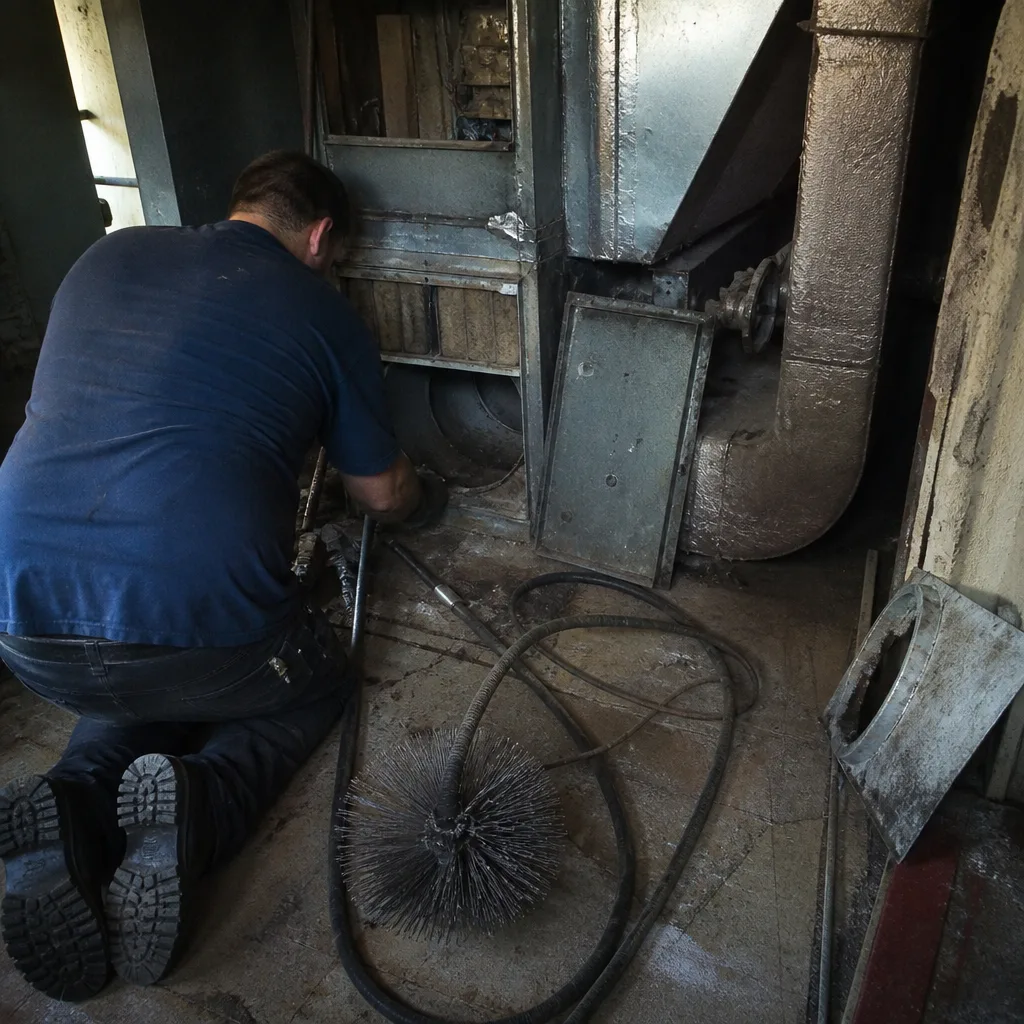 Before
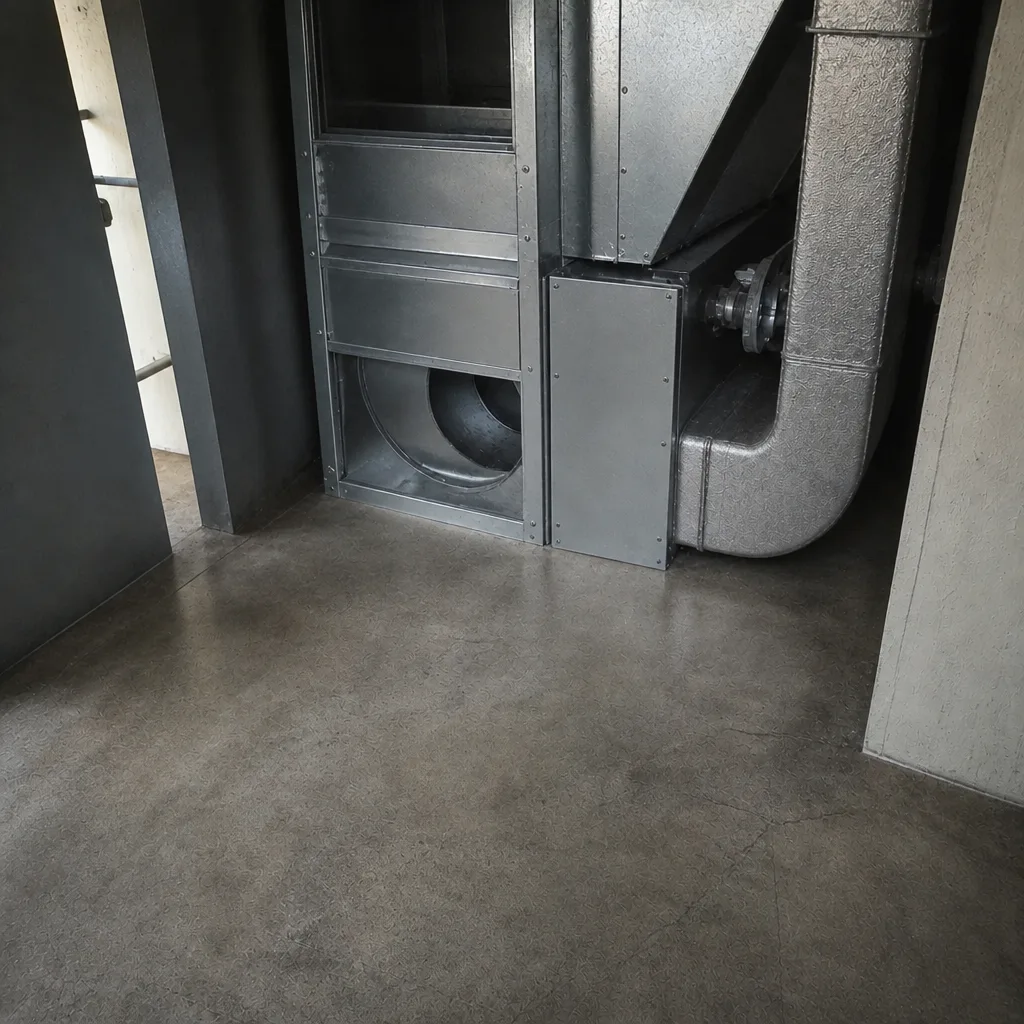 After
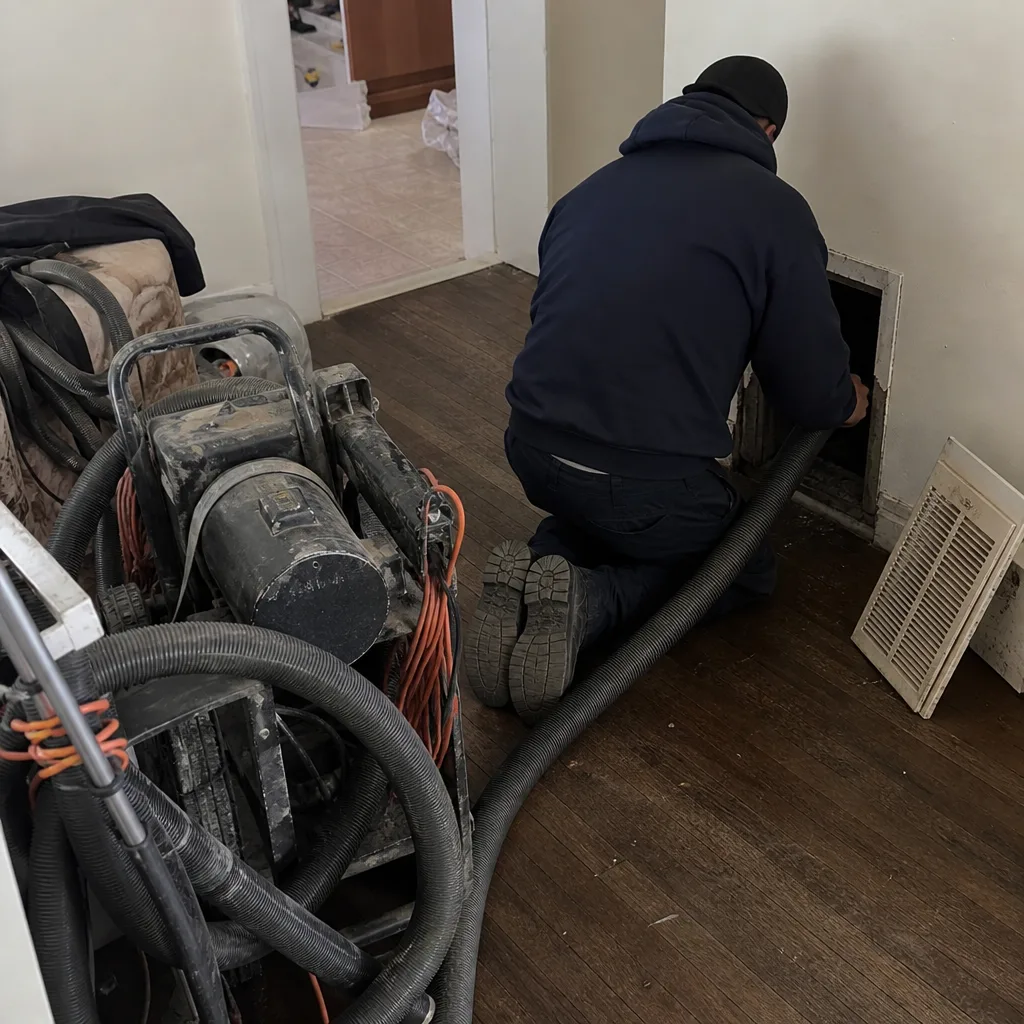 Before
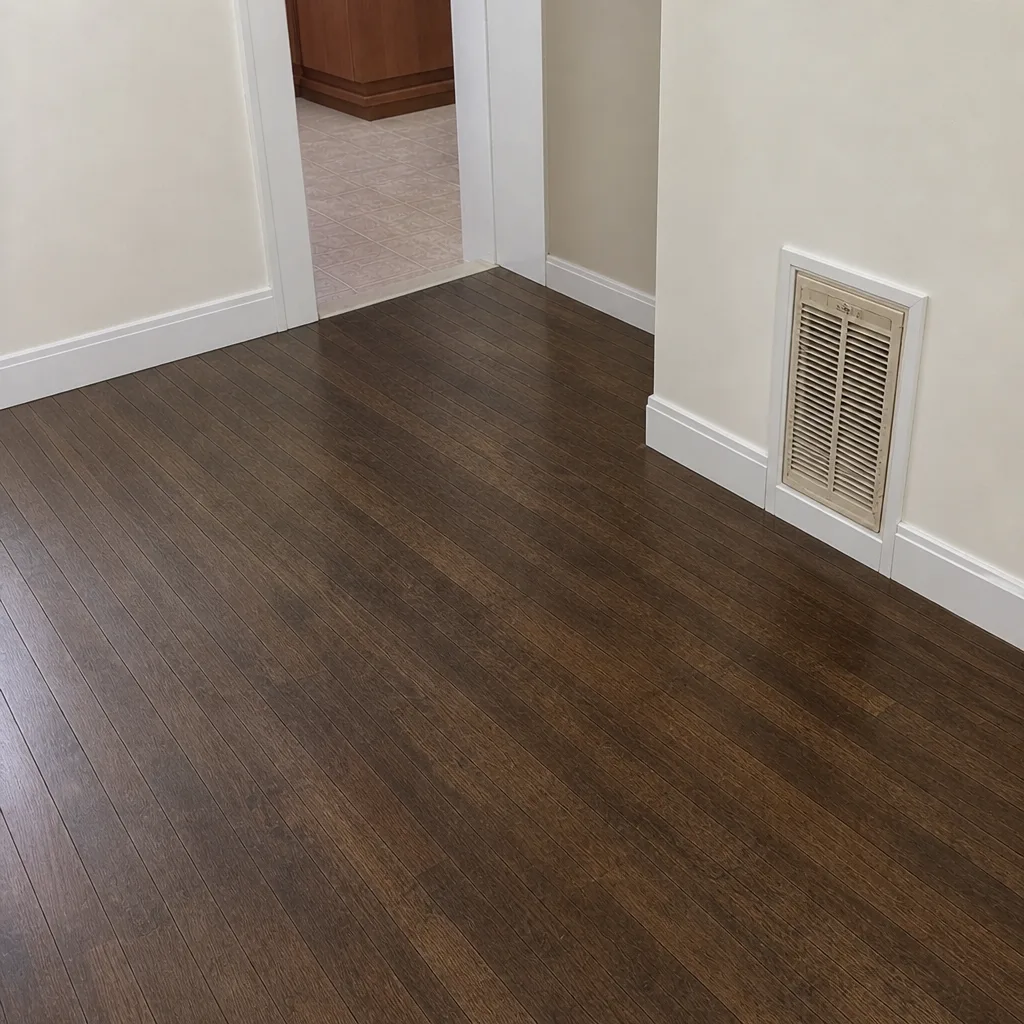 After
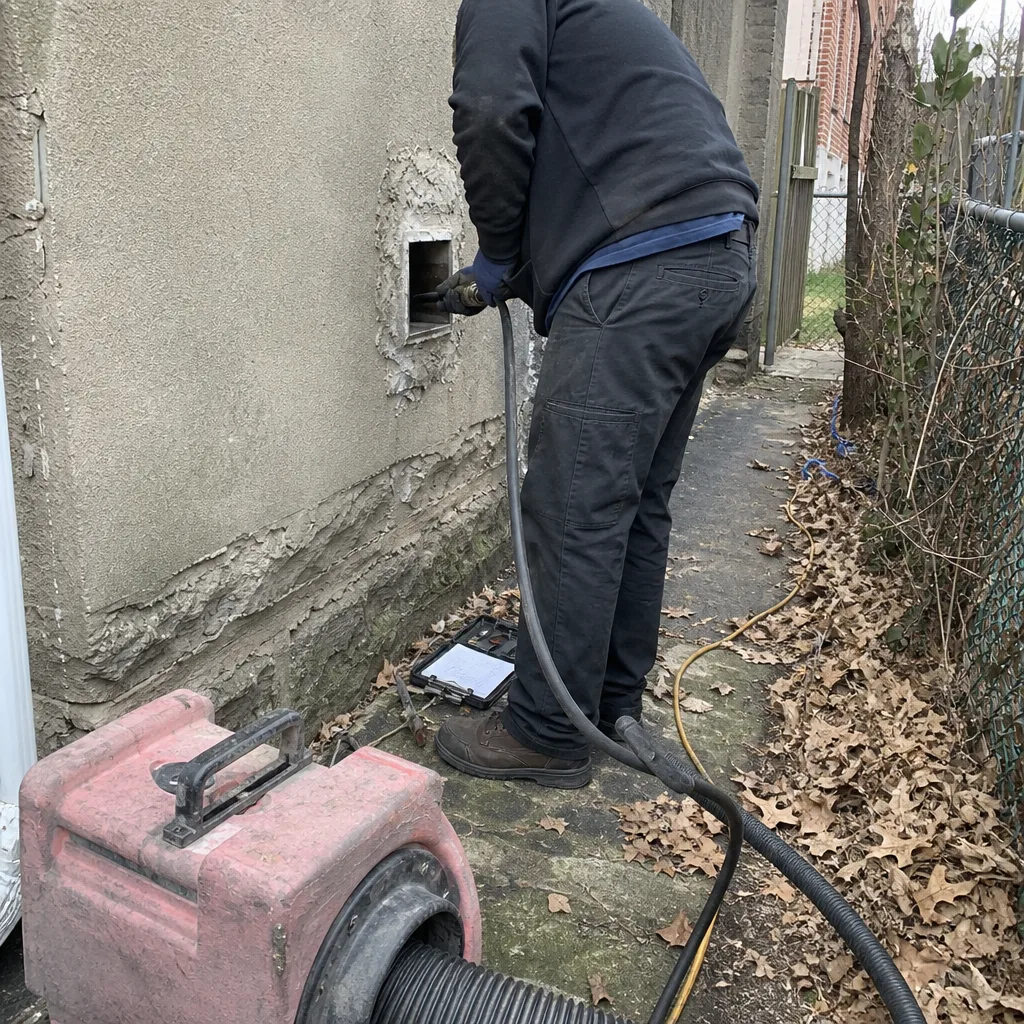 Before
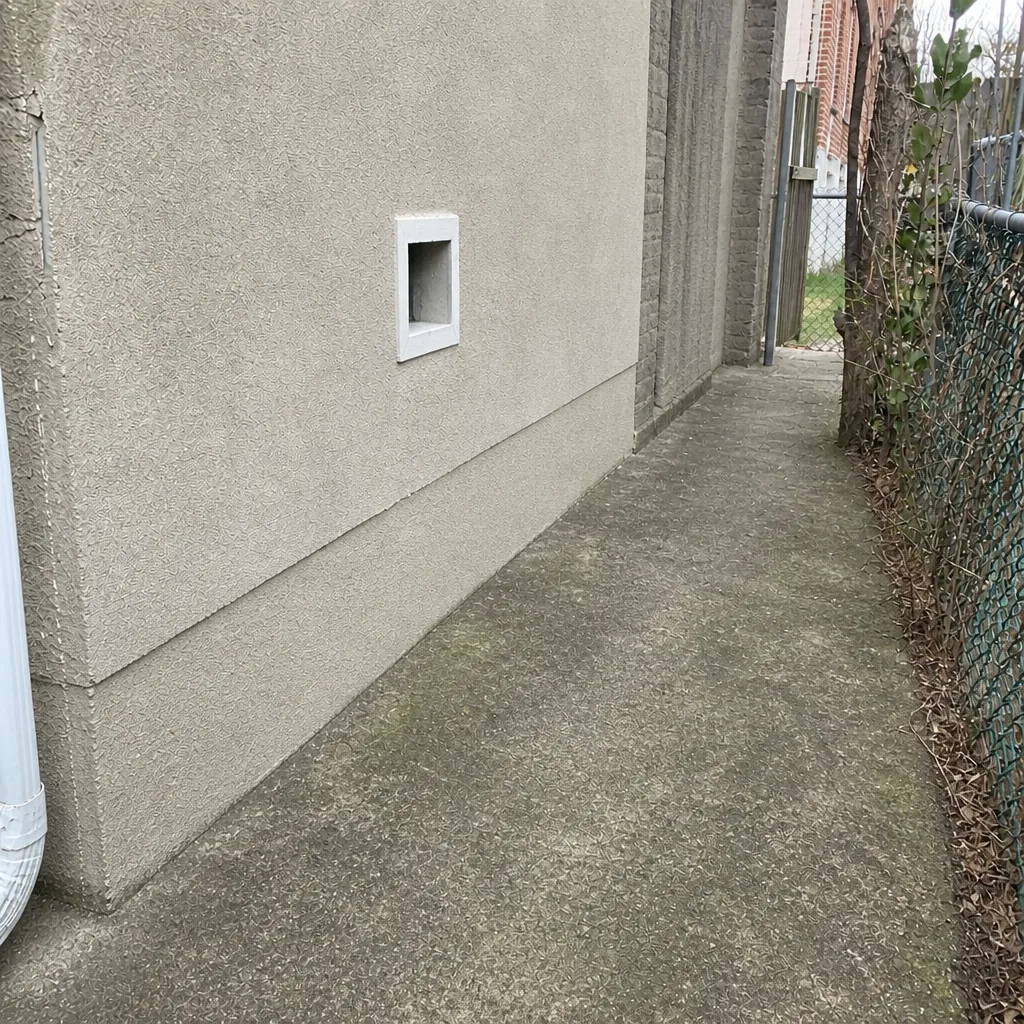 After
The Air-Quality Side of the Decision
Duct cleaning is the front end of a longer chain. Once the ducts are clean, what happens to the air after that is a separate question. This is where the DIY-vs-pro decision earns its keep beyond the cleaning itself. A homeowner can swap filters. A specialist can install a whole-home air-quality solution tied to the system that continues working after the cleaning visit ends.
We stock and install Honeywell and Aprilaire air-quality products, which bridge the gap between cleaning and ongoing filtration. In a Northeast Philadelphia home where seasonal allergies, a recent renovation, or an aging system are driving the conversation, the combination of a proper clean followed by permanent filtration is what actually changes the indoor air over time. For heavier scenarios, like post-remediation or elevated particulate concerns, Abatement Technologies air-quality equipment handles work beyond basic duct vacuuming.
The full indoor-air chain covers duct cleaning, dryer vent cleaning, HVAC cleaning, duct repair and sealing, and air sanitizing. One call covers your ducts, vents, and HVAC system, and that’s why we built the service around all of it instead of picking a single lane.
When the DIY vs. Pro Question Is Moot
There are situations where the question of who does the cleaning doesn’t matter, because cleaning isn’t the answer. These need professional assessment regardless of who eventually wields the equipment.
- Active mold growth inside the duct system. Visible mold on interior duct surfaces or liner means moisture is getting in from somewhere. Cleaning the ducts without addressing the moisture source just resets the clock. This needs a proper assessment of both the ducts and the system that’s feeding them.
- Pest infestation evidence. Droppings, nesting material, or gnawed duct insulation indicate an active animal problem. Cleaning a system with pest activity requires containment and removal protocols that a home vacuum setup cannot provide, and the entry point needs to be sealed after.
- Damaged duct liner. If the interior liner is torn, crumbling, or completely missing in sections, cleaning just moves the damaged material into the airstream. Liner damage is a repair-and-sealing problem, not a cleaning problem.
- Suspected asbestos in older duct systems. Anything pre-1980 in Northeast Philadelphia that looks like fabric tape or fibrous wrap warrants assessment before any cleaning. Nobody should be agitating that material until it’s been evaluated.
In each of these cases, the right next step is a professional assessment that tells you whether cleaning is even the appropriate service or whether repair, sealing, or remediation comes first. Better air starts at the source, and sometimes the source is a damaged duct, not a dirty one.
Common Mistakes to Avoid
- Using a shop vacuum as if it’s a duct cleaner. It pulls some surface dust and pushes some debris deeper into the run. Hours of work for a partial outcome that leaves the settled debris in place.
- Choosing a filter based on the number on the box. Higher MERV isn’t automatically better in an older Northeast Philadelphia system. MERV 13+ on an undersized blower can restrict airflow enough to cause problems elsewhere. Match the filter to the system.
- Fogging ducts with essential oils or vinegar. Introducing moisture into a dark, warm environment is a growth opportunity, not a cleaning step. Sanitizing after mechanical cleaning is controlled. A spray bottle is not.
- Disturbing old duct wrap or tape. Fabric tape on pre-1980 systems may contain asbestos. Vacuuming or brushing near it makes fibers airborne. Leave it and get it assessed.
- Skipping dryer vent inspection because the lint trap looks fine. The lint trap catches lint from the dryer load, not from the vent run. The run itself needs its own check, and if it’s long or heavily bent, DIY access stops at the first elbow.
- Assuming cleaning documentation isn’t needed. A written record of service with before-and-after photos is useful at resale and for warranty or insurance questions. A memory of “we cleaned it once” doesn’t carry the same weight.
- Booked the coupon service without asking what price applies to the whole system. A low teaser price that becomes a much larger invoice once the technician arrives is a common bait-and-switch in this industry. We work the other way: one flat price per system, agreed in writing before work begins.
When to Call a Professional
Call a professional when the debris is beyond what you can see or reach, when there’s visible mold, pest evidence, or damaged liner, when your dryer vent runs more than a few feet past the first elbow, or when a recent renovation, a home purchase, or an aging system has left you with no clear sense of the duct condition. Also call when the DIY work you’ve done hasn’t changed the symptoms that got you looking in the first place. Air Duct Cleaning Northeast Philadelphia offers free estimates in Northeast Philadelphia with one flat price per system and before-and-after photos of your own ducts, so you know what’s inside and what’s been removed before you decide. Call (833) 508-9983. We answer 24/7. Fast dispatch from 7am to 7pm, Sunday through Friday.
Frequently Asked Questions
Most whole-system duct cleaning costs a flat price per system, and it depends on the number of runs, system size, and whether repair or sealing is needed. We quote one flat price per system before any work starts, so there’s no per-vent billing and no surprise. Call (833) 508-9983 for an exact quote. Estimates are free.
You’ll see results at the register opening and on the grille, but not in the duct run itself. A shop vac can’t create the negative pressure needed to move settled debris from the full length of a run. What you can do yourself: register cleaning, filter changes with the right MERV, phone camera inspection at reachable boots, and clearing the first bend of a dryer vent.
Very low quotes typically price the visible register and a quick shop-vac pass, not whole-system source removal, and the final invoice is often larger than the quote once the technician is on site. We work with a flat price per system agreed in writing before work starts, and the work includes the rotary brush and negative air steps that a cheap visit skips. If you’ve received a suspiciously low quote, ask what equipment is being used and how the price stays fixed.
Ask for before-and-after photos of your own ducts, plus a written service record. The photos show the interior wall condition at the start and finish, and the written record documents what was cleaned. We take those photos as part of the job. Call (833) 508-9983 to schedule an estimate.
Most homes need it every few years, not every season, and the schedule depends on filter habits, pets, renovation history, and whether the system has had any pest or moisture events. If you’ve had a renovation, a recent home purchase, or are noticing dust returning quickly, that’s the trigger to inspect. Call (833) 508-9983 for an honest read on your system.
Duct cleaning removes debris from the inside of the duct system. Duct repair and sealing addresses the leaks, disconnected joints, and damaged liner that cause the contamination and energy loss in the first place. In our experience, doing one without the other leaves the problem half-solved. That’s why we clean it, repair it, and seal it as one service chain. Call (833) 508-9983 for a free estimate.
The Bottom Line
DIY duct cleaning has a legitimate role: register cleaning, correct filter selection and replacement, phone-camera inspection at accessible boots, and clearing a dryer vent to the first bend are all tasks a Northeast Philadelphia homeowner should handle. What DIY cannot do is create the negative air and rotary brush agitation needed for whole-duct source removal. The dividing line is equipment capability, not time or effort. When the problem moves beyond what you can see, when there’s mold, pest evidence, or damaged liner, or when the run is longer than your tools can reach, that’s the point to call a professional. Our technicians have up to 14 years of experience with the systems that do the work properly.
Ready to know what’s actually inside your ducts? Call (833) 508-9983 for a free estimate. We answer 24/7. Fast dispatch from 7am to 7pm, Sunday through Friday. One flat price per system, agreed before work starts, with before-and-after photos of your own ducts.
Written by the team at Air Duct Cleaning Northeast Philadelphia.