
Last updated November 22, 2026
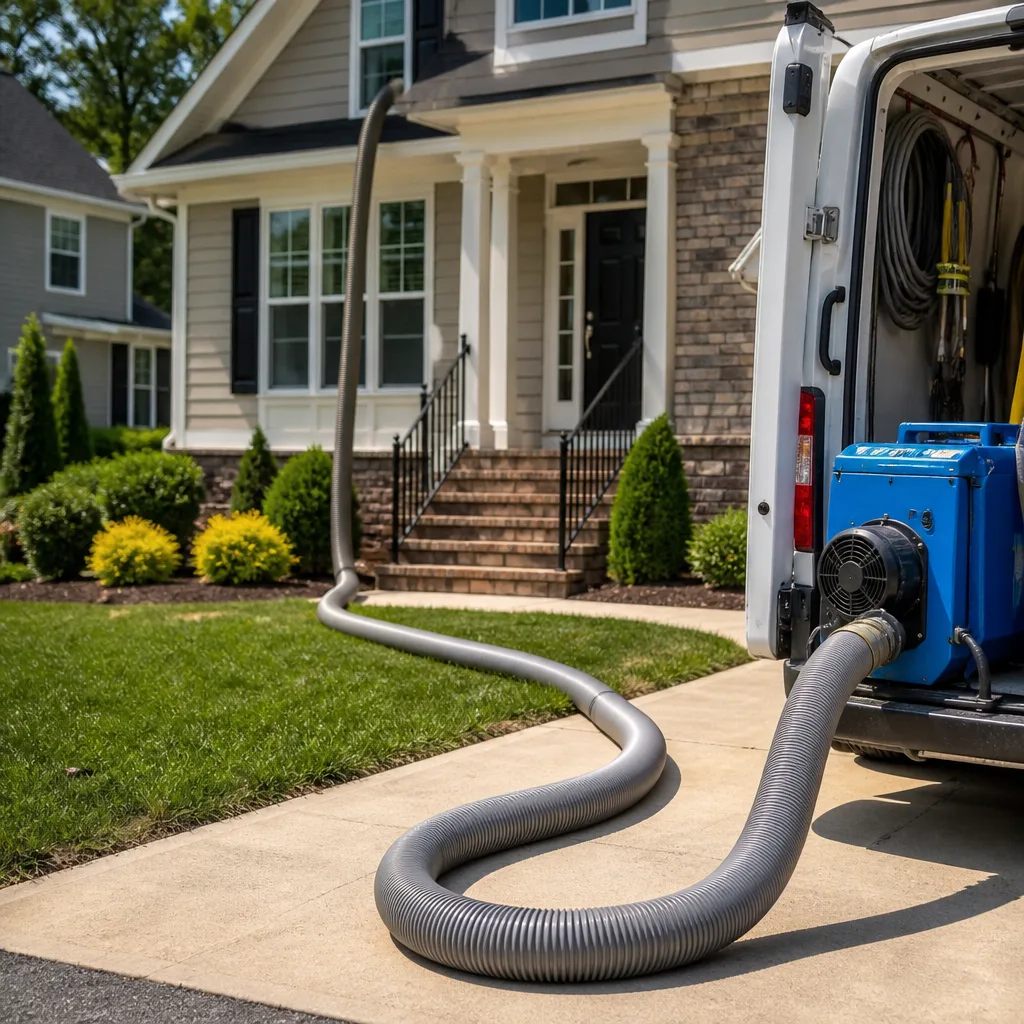 Whole-home duct cleaning
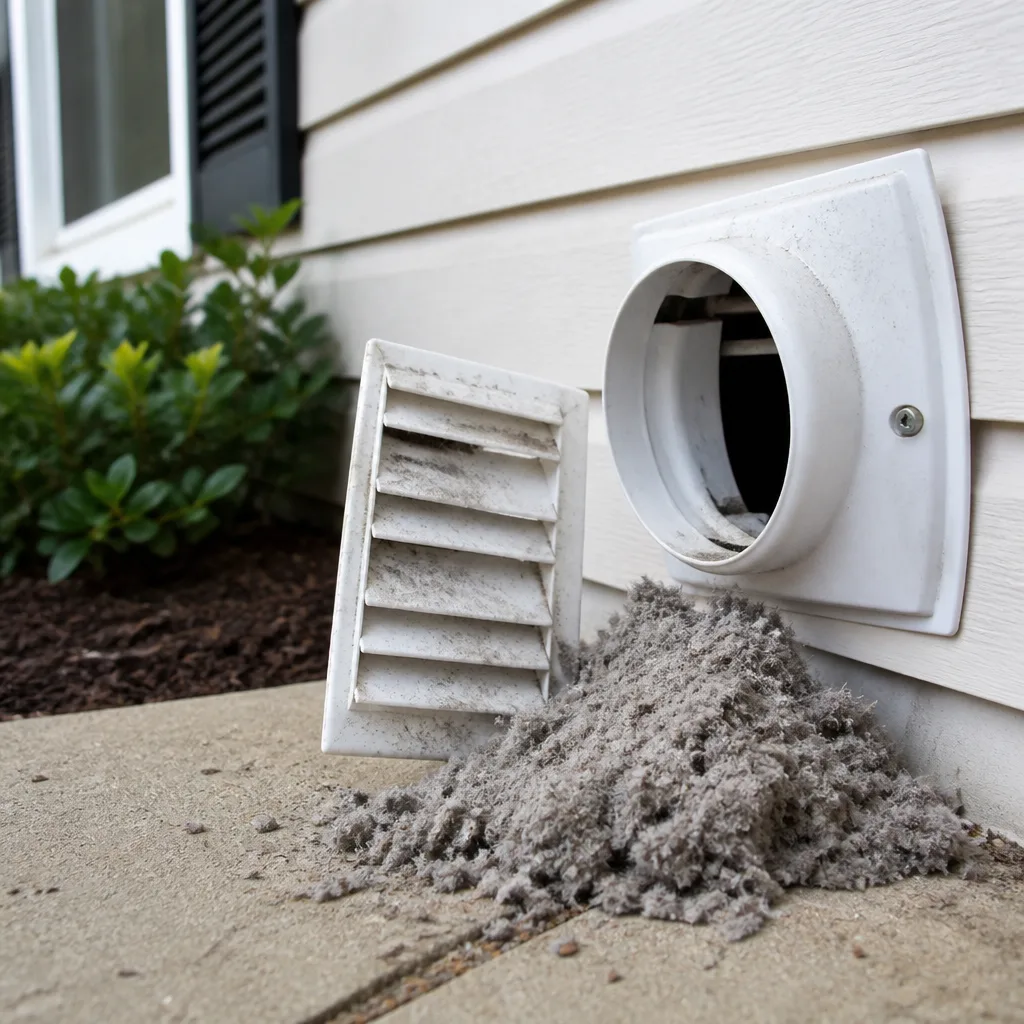 Dryer vent cleaning
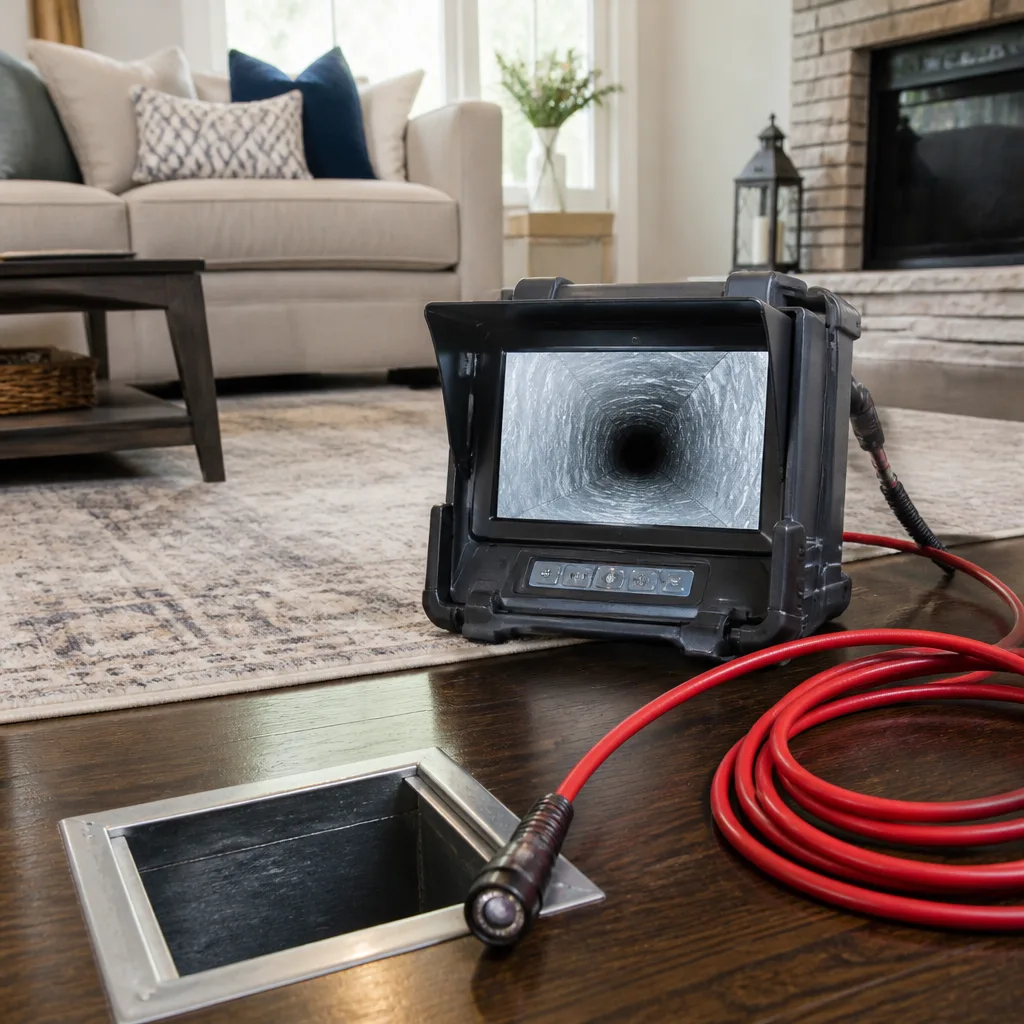 Camera inspection
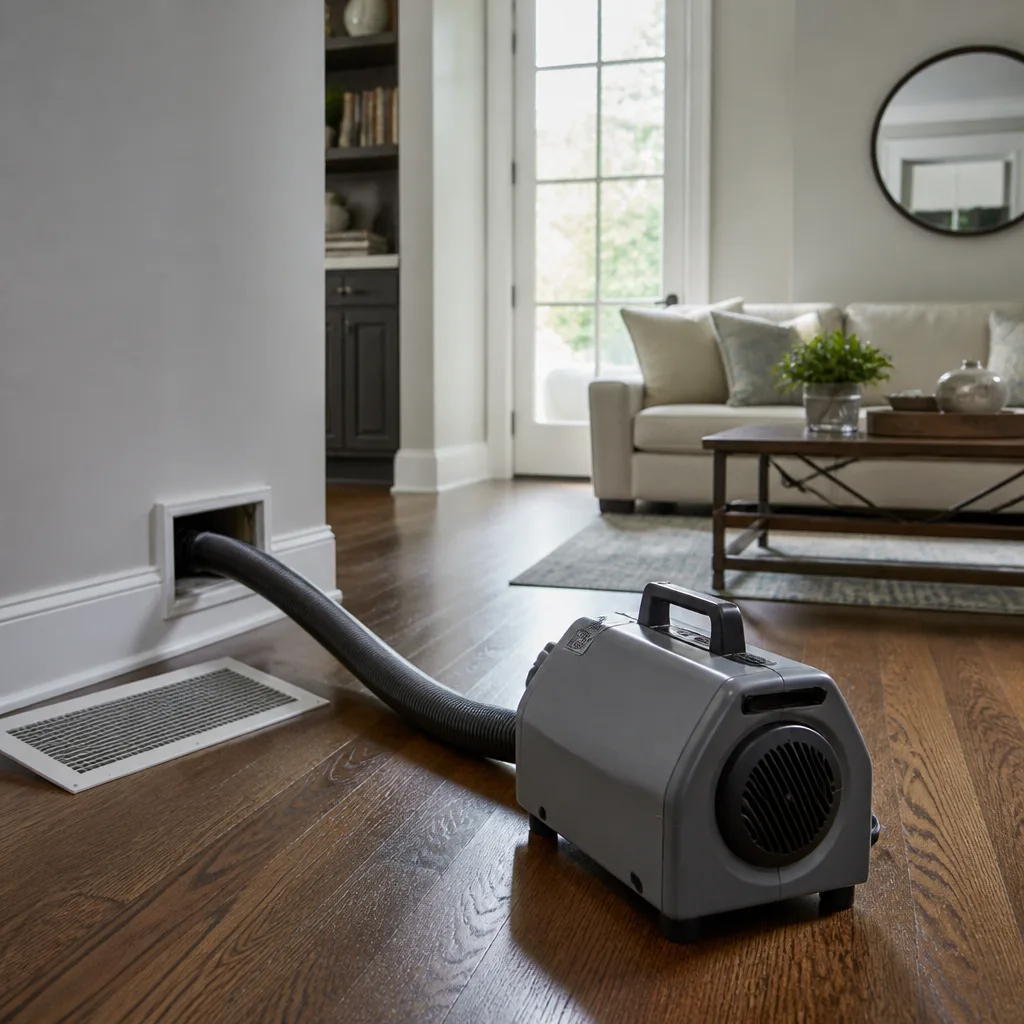 Sanitizing & deodorizing
Whole-system duct and dryer vent check with before-and-after photos - you see exactly what came out of your vents
That "$99 whole-house special" is a bait ad - the real number appears once they are in your hallway, or the "clean" is a shop-vac at the register. We photograph the inside of your ducts before and after instead.
Seasonal Air Duct Cleaning Care for Northeast Philadelphia: Year-Round Homeowner’s Guide
Most homeowners treat duct cleaning as a once-a-decade event, if that. You wait until the vents look gray, book a cleaning, and forget about the system until the next time something smells off. The problem with that approach is that the air in a Northeast Philadelphia home doesn’t hold still through the calendar. It cycles through four distinct phases each year, and each one leaves a different kind of load in your ducts. Winter pulls in combustion byproducts and dry, dusty air. Summer loads the system with moisture and the biological growth that follows it. Spring and fall each bring their own mess, and each creates an inflection point worth checking. This guide maps specific maintenance actions to those four windows so you’re cleaning and inspecting when the system actually needs it, not on a guess.
Quick Answer
Seasonal air duct cleaning in Northeast Philadelphia works best when you match the action to the season: a spring blower inspection after heating season ends, coil and condensate monitoring through the humid summer, a full pre-heating duct inspection each fall, and combustion-air and flex-duct checks in winter. Cleaning once a year on a fixed schedule misses most of this. The right cadence depends on what your system picks up in each window.
Styles & brands we work with
- Whole-home duct cleaning
- Dryer vent cleaning
- Camera inspection
- Sanitizing & deodorizing
Table of Contents
- Why Northeast Philadelphia’s Climate Sets Four Distinct Duct Seasons
- Spring (March – May): Post-Heating Inspection and Pollen Infiltration
- Summer (June – August): Condensate, Coils, and Basement Condensation
- Fall (September – November): Pre-Heating Inspection and Seal Verification
- Winter (December – February): Combustion Air, Dust Puff-Out, and Flex Ducts
- How Service Calls Become Duct-Cleaning Checkpoints
- Common Mistakes to Avoid
- When to Call a Professional
Why Northeast Philadelphia’s Climate Sets Four Distinct Duct Seasons
The Delaware Valley humidity profile is the single biggest reason a Northeast Philadelphia home can’t follow the same annual-cleaning advice that works in Phoenix or Denver. Local homes spend roughly 14 weeks a year above 60% indoor relative humidity. That number matters because 60% is the threshold where settled dust in a duct system stops being inert and starts acting as a substrate for microbial growth. And that happens regardless of when the system was last cleaned. A duct system cleaned in March can be a growth medium by August if moisture and dust are both present.
Add the heating side of the year and the picture gets more complicated. Northeast Philadelphia sits in a climate where gas furnaces run hard for months, where the shoulder seasons swing hard between 40°F and 75°F, and where older housing stock includes plenty of converted and retrofitted systems with their own quirks. The duct system responds to each of these phases differently.
Here’s the practical takeaway: a single annual cleaning puts most of your maintenance attention in one season and ignores the other three. A seasonal approach spreads it across the year and catches problems while they’re cheap to fix.
If you’re new to the concept of duct cleaning as a system-wide job rather than a vent vacuuming, our Air Duct Cleaning Northeast Philadelphia page explains the full scope. But for the seasonal picture, keep reading.
Spring (March – May): Post-Heating Inspection and Pollen Infiltration
Spring is the recovery window. The furnace has just finished a long heating season, which means everything that ran through it for months now needs a look before cooling starts. Three things matter most in a Northeast Philadelphia spring.
Blower inspection after heating season
The blower is the heart of the air handler, and it accumulates dust, hair, and lint all winter. A blower caked with debris can’t move air efficiently, which strains the system and pushes more dust into the airstream. Spring is when you want a technician to pull the blower compartment open and check the wheel, housing, and motor. If your home has a converted system, this is also when to look for accumulated oil residue, since converted systems retain small amounts of combustion byproduct that newer systems don’t.
Pollen infiltration through return grilles
Northeast Philadelphia’s mature tree canopy comes with a real spring pollen load. Return grilles are the entry point, and pollen sticks to the return-side duct surfaces just like it sticks to a car windshield. A filter change plus a return-side vacuum in spring removes that load before it becomes a summer substrate. Homeowners in tree-heavy sections of Mayfair, Tacony, and Holmesburg notice this more than those on blocks with fewer mature trees.
Checklist for a spring walkthrough
- Pull the air filter and look at both sides. A filter that’s dark across the whole face needs replacement at least monthly through pollen season.
- Vacuum the return grilles by hand. This is a homeowner-safe task and it removes visible pollen before it becomes airborne dust.
- Book a blower and air-handler inspection. Confirm whether the blower wheel needs mechanical cleaning, not just a wipe.
- Have the duct system checked for loose connections before cooling season starts. Loose joints that survive winter thermal cycling will only get worse in summer.
If you don’t already know when your system was last cleaned at a professional level (not a filter swap), schedule a spring inspection. Professional-grade equipment like our air duct cleaning service uses a rotary brush system that reaches duct surfaces a vacuum alone won’t touch, which matters more after a full winter of settled dust.
Summer (June – August): Condensate, Coils, and Basement Condensation
Summer is when the 60% humidity threshold does its damage. The cooling system runs hard, which means the evaporator coil stays wet, the condensate pan stays full, and any small dust load in the duct system has the exact conditions it needs to become a biological growth problem. This is the season where most duct problems actually start, even if they show up visually in fall.
Condensate drain pan monitoring
The pan under the evaporator coil holds standing water all summer. If the drain line clogs, the pan overflows, and the moisture spreads into the air handler and the supply-side ductwork. Check the pan regularly through summer, or have your HVAC service confirm the drain line is open. A pan with standing water and visible discoloration on the sides is a sign that the coil needs cleaning.
Coil surface inspection for biofilm
Biofilm on a wet coil is common, and it’s a direct air-quality issue. You’ll often smell it before you see it, a musty or sour smell when the system first kicks on. Coil cleaning is a separate job from duct cleaning, but the two belong together. Our HVAC cleaning service covers coil and air-handler surfaces, which is where the biological load actually lives.
Condensation on cool surfaces in finished basements
If a supply register feeds a finished basement, cold air hitting warm humid basement air produces condensation on the register and sometimes on nearby duct surfaces. This is a placement and insulation question, not a cleaning one, but it’s a good thing to flag during a summer inspection. Persistent condensation on a register is a moisture source right where you’re trying to keep air dry.
What to watch for June through August
- Musty smell at startup. Almost always a coil or wet duct-surface issue.
- Water in or around the drain pan. Get it serviced before it damages the air handler.
- Visible condensation on supply registers in basement or crawlspace areas.
- Rising dust visible on the return-side grilles, which indicates the filter is being bypassed or is overloaded.
Homeowners in older Northeast Philadelphia rowhouses with finished basements often deal with all four at once. A single dryer vent cleaning appointment is also worth booking in summer if the vent runs through a hot attic or wall cavity, since lint buildup combined with summer heat is a real fire concern.
Fall (September – November): Pre-Heating Inspection and Seal Verification
Fall is the most important inspection window of the year for Northeast Philadelphia homes. The heating season is about to start, and everything you don’t catch now will run for months before you have a chance to catch it again. Two specific checks matter most, and most homeowners skip both.
Pre-heating full duct inspection
A full duct inspection before heating season means walking the entire visible duct run, checking every joint, every flex connection, and every register boot. Look for:
- Sagging flex duct that’s lost its support or been pinched
- Loose duct tape (especially the older cloth-back style that dries out)
- Visible gaps at register boots and take-offs
- Disconnected flex runs in attics, crawlspaces, or unconditioned spaces
Any leak in a supply duct that runs through an unconditioned space wastes heat and pulls dust into the airstream. This is where duct repair and sealing earns its keep. We clean it, repair it, and seal it because a cleaned duct with a leak is still a leaking duct. If your system has visible leaks or known sealing work from previous years, this is the season to verify it’s still holding.
Verifying seal compound through summer thermal cycling
Duct sealing compound applied in a prior year expands and contracts with the summer-winter temperature swing. Fall is when you check that it hasn’t cracked or pulled away from the duct surface. A crack in a seal isn’t visible from the basement stairs, so this is usually a job for a technician with a flashlight and a step ladder.
Confirming filter MERV compatibility with heating static pressure
Higher-MERV filters catch more particles, but they also increase static pressure on the blower. A filter that worked fine in a low-demand summer can push the system past its spec in heating season, when the blower has to push against longer run times and colder air. Fall is the right time to check whether your MERV rating is matched to the system’s rated static pressure. If you’ve upgraded filters recently and noticed reduced airflow, the fall check is where to catch it.
A properly sealed and inspected system with a matched filter is where duct work pays off across the heating season. For homeowners with elevated air-quality concerns, adding a Honeywell or Aprilaire filtration component at the fall inspection bridges the gap between cleaning and long-term filtration in a single visit.
Winter (December – February): Combustion Air, Dust Puff-Out, and Flex Ducts
Winter is the season most Northeast Philadelphia homes run their systems the longest, and it’s also the season where the ductwork interacts most directly with the heating appliance. Three checks matter here, and one of them is a safety issue that shouldn’t wait.
Combustion air pathway inspection for gas furnaces
If your home has a gas furnace, combustion air has to reach the appliance and exhaust has to leave safely. Ductwork near the furnace can obstruct combustion air intakes, especially if a retrofit or a previous duct change moved things around. This is a safety check, and it belongs with a trained technician. A combustion appliance that isn’t getting proper combustion air can produce carbon monoxide, which you can’t see or smell. Don’t troubleshoot this one yourself.
Dust puff-out at registers when heat first runs
If you see a small puff of dust from a register the first time the heat kicks on each season, that’s a sign of settled debris in the heat exchanger compartment and the supply duct. It’s not just cosmetic. That debris gets pushed into your living space at every subsequent startup. If it happens every time, not just on the first run after a long idle period, it means the system’s dust load is high enough that a cleaning is due.
Flex duct connections loosened by thermal contraction
Flex duct is held to its collars with tape, zip ties, or clamps. Winter thermal contraction pulls on those connections, and after enough cycles a joint works loose. Check flex runs in the attic or crawlspace. If you can feel air escaping at a joint, it needs reconnecting and sealing before it pulls loose entirely.
Winter checklist
- Have combustion air pathways and venting inspected by a technician before running the furnace full time.
- Watch the first register startup of the season. A one-time puff is normal; a puff every startup means cleaning is overdue.
- Walk the attic and crawlspace flex runs and look for disconnected or sagging duct.
- Replace filters more often in winter than summer if you notice dust at the registers.
How Service Calls Become Duct-Cleaning Checkpoints
Here’s the part most homeowner guides skip: every routine HVAC visit is a chance to reduce how often you need a full professional cleaning. The visits most Northeast Philadelphia homeowners already book (an annual tune-up, monthly filter changes, occasional coil cleaning) are the natural checkpoints if you use them correctly. String a few of them together with seasonal discipline and you’ll push real cleaning intervals out from every couple of years to once every four to five.
Turn HVAC tune-ups into duct inspection windows
When your technician is already in the air handler for a tune-up, that’s the cheapest time to have them look at the blower wheel, the drain pan, and the visible duct connections. Schedule the tune-up for late fall before heating season. That way the tune-up doubles as your pre-season duct inspection and you’re not paying twice for the same trip.
Use filter changes as a dust-load gauge
A filter that’s saturated within a month is telling you something. It means the dust load in the system is high. That’s your signal that a full duct cleaning is due, not this month but this quarter. Homeowners in dusty Northeast Philadelphia blocks near older commercial corridors often see this earlier than the calendar would suggest. Trust the filter, not the calendar.
Treat coil cleaning as a duct-cleaning anchor
Coil cleaning every one to two years (depending on how much the system runs) keeps the moisture-holding surface of the air handler clean, and that in turn keeps the downstream duct system dryer through the summer. A coil cleaned in spring reduces the summer biological load in the duct system. That’s how one service extends the interval on another.
The five-year view
If you follow a spring inspection, summer coil and condensate care, fall seal and filter check, and winter flex and combustion check, a duct system that’s professionally cleaned once every several years stays in good condition. Without that discipline, most homes end up needing a full cleaning much more often because they’re catching problems late. The five-year outcome isn’t about cleaning more. It’s about cleaning when the system has actually accumulated a load, not on a guess.
For remediation-level air-quality scenarios (post-renovation dust, moisture damage, elevated particulate counts), the cleaning job itself often goes beyond what standard rotary-brush equipment handles. That’s where we bring in Abatement Technologies equipment alongside our Nikro cleaning systems, and where a full inspection first is worth the extra time.
Common Mistakes to Avoid
- Booking cleaning on a fixed annual date instead of a seasonal window. Cleaning once a year on the same date misses most of the seasonal load pattern. If you clean in spring, you’re leaving the summer biological growth and the winter combustion dust in place all year.
- Skipping the blower inspection. A dirty blower pushes more dust into the ductwork and reduces airflow. Most Northeast Philadelphia homes that “just got cleaned last year” and still feel dusty have a blower problem, not a duct problem.
- Upgrading to a very high-MERV filter without checking static pressure. A filter that’s too restrictive for the system does more harm than a standard filter, especially in heating season. Match the filter to the system’s rated pressure.
- Ignoring moisture in a finished basement. Condensation on supply registers and dampness around basement air handlers is common in Northeast Philadelphia rowhouses with finished lower levels. Moisture feeding the duct system is the most common cause of recurrent musty smells, and it’s fixable if you catch it early.
- Treating seal work as a one-time job. Duct seal compound expands and contracts with each summer-to-winter thermal cycle. A seal applied two summers ago may already have hairline cracks by the following fall.
- Trying to diagnose combustion air yourself. Combustion air and venting are safety-critical. If you smell exhaust near the furnace or the burner runs rough, call a technician. Don’t test it by feel or by eye.
- Assuming “cleaned once” means “clean.” A duct system cleaned in spring can pick up a full summer’s worth of moisture-driven growth by fall if the coil and condensate work weren’t handled. Cleaning is seasonal care, not a permanent state.
When to Call a Professional
Some seasonal work is safe for a homeowner: swapping filters, hand-vacuuming return grilles, checking for visible gaps at register boots. The rest needs a trained technician. Call a professional if you see visible dust puffing from registers at every startup, if you smell a musty or sour odor when the system kicks on, if your filter darkens within a few weeks, if flex duct in the attic or crawlspace looks disconnected or sagging, if there’s water in or near the drain pan, or if you’re running a gas furnace and haven’t had combustion air and venting inspected recently.
Duct repair and sealing are also professional jobs. A seal applied incorrectly can make a leak worse, and sealing the wrong joint can create a pressure problem elsewhere in the system. We clean it, repair it, and seal it because the whole chain matters.
Air Duct Cleaning Northeast Philadelphia offers free estimates in Northeast Philadelphia – call (833) 508-9983. Our technicians have up to 14 years of experience, and we use contractor-grade Rotobrush and Nikro equipment rather than consumer-level setups. One call covers your ducts, vents, and HVAC system.
Frequently Asked Questions
Most Northeast Philadelphia homes benefit from a full professional cleaning every three to five years, with seasonal inspections in between. The exact interval depends on how much the system runs, whether you have pets or allergy concerns, and whether your home is near high-dust corridors. The four-season approach in this guide extends the interval because it catches dust, moisture, and seal problems before they compound.
Yes. Northeast Philadelphia homes spend roughly 14 weeks a year above 60% indoor relative humidity, which is the threshold where settled dust in a duct system becomes a substrate for microbial growth. Cleaning once in spring and then ignoring summer moisture means you’re cleaning before the season that matters most. Summer coil and condensate care is what keeps the duct system from picking up a load between professional cleanings.
A spring inspection focuses on what the heating season left behind: the blower, the return-side pollen and dust load, and the duct connections that survived winter. A fall inspection focuses on what the heating season is about to run into: duct seal integrity, filter MERV compatibility with heating static pressure, and the full duct run before the system starts working hard. Both are worth booking.
Yes, and it’s normal. Duct sealing compound expands and contracts with each summer-to-winter thermal cycle. A seal that looked solid in spring can develop hairline cracks by the following fall. That’s why sealing is verified as part of a fall inspection rather than treated as a permanent fix.
We use contractor-grade Rotobrush and Nikro duct-cleaning systems, the same class of equipment commercial HVAC contractors use. Consumer-level shop-vac setups don’t reach the duct surfaces a rotary brush system does, especially on heavily soiled runs. We also stock Honeywell and Aprilaire air-quality products for homeowners who want to install filtration as part of the cleaning visit, and Abatement Technologies equipment for remediation-level work.
Call (833) 508-9983. We answer 24/7. Fast dispatch from 7am to 7pm, Sunday through Friday. Estimates are free, and the price is set per job by the written estimate, so you know the scope before work starts. If you’re not sure whether your system needs a spring, summer, fall, or winter visit, we’ll help you figure out which window makes sense for your home.
The Bottom Line
Duct cleaning isn’t a single annual event. In Northeast Philadelphia, it’s a four-season practice. Spring is for blower inspection and pollen cleanup. Summer is for coil, condensate, and moisture discipline. Fall is for pre-heating inspection, seal verification, and filter compatibility. Winter is for combustion air, dust puff-out, and flex duct checks. Book the seasonal visits, use every routine HVAC service as a duct checkpoint, and a professional cleaning every several years keeps the system in good shape. Skip the seasons and you’ll clean more often, catch problems later, and breathe worse air in between. Call (833) 508-9983 for a free estimate and to schedule the next seasonal window for your home.
Written by the team at Air Duct Cleaning Northeast Philadelphia.
See the difference
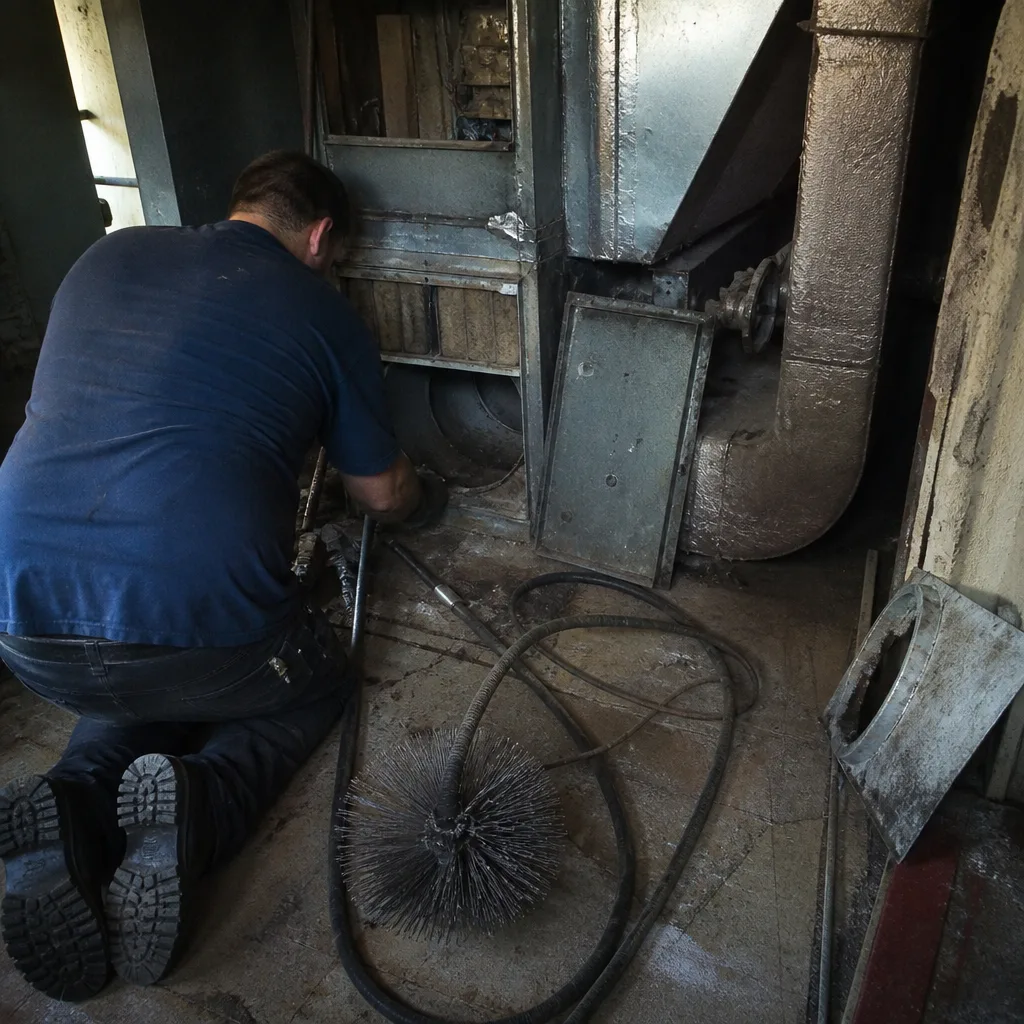 Before
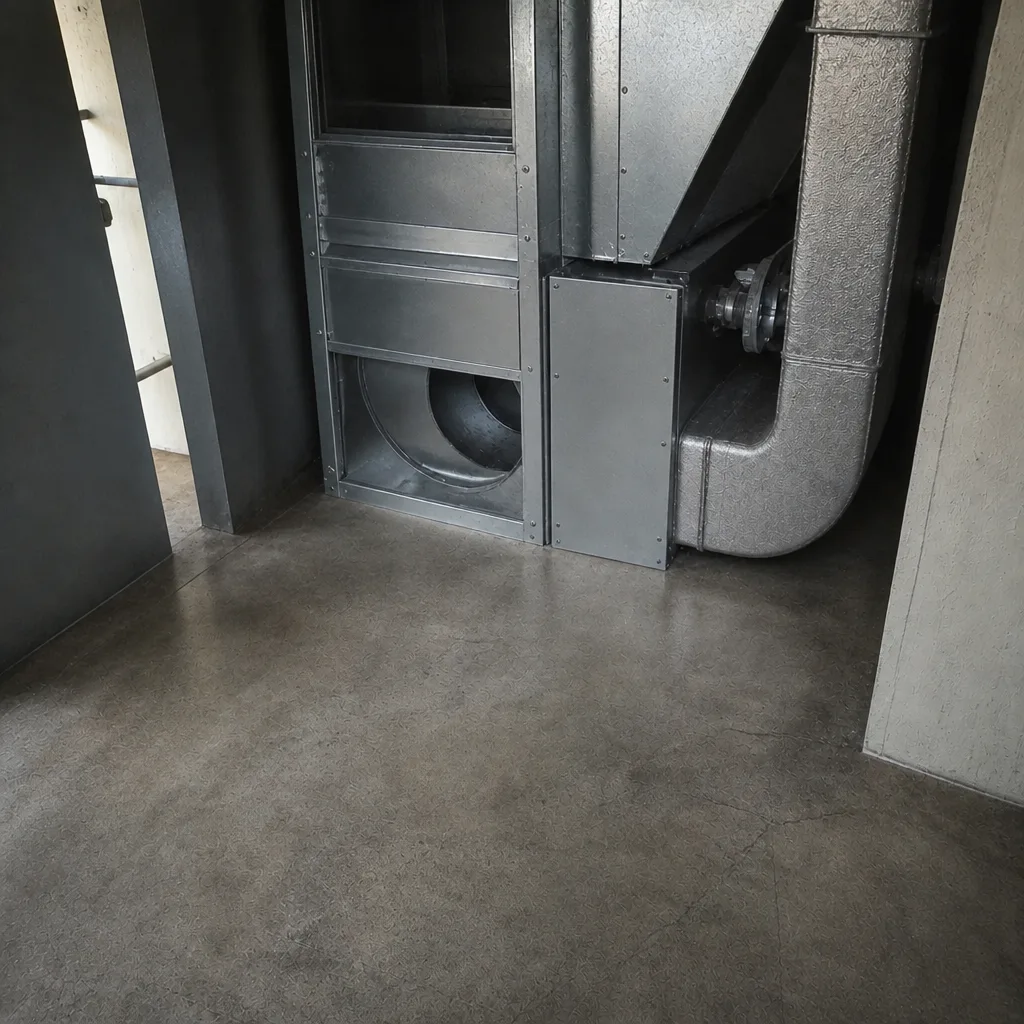 After
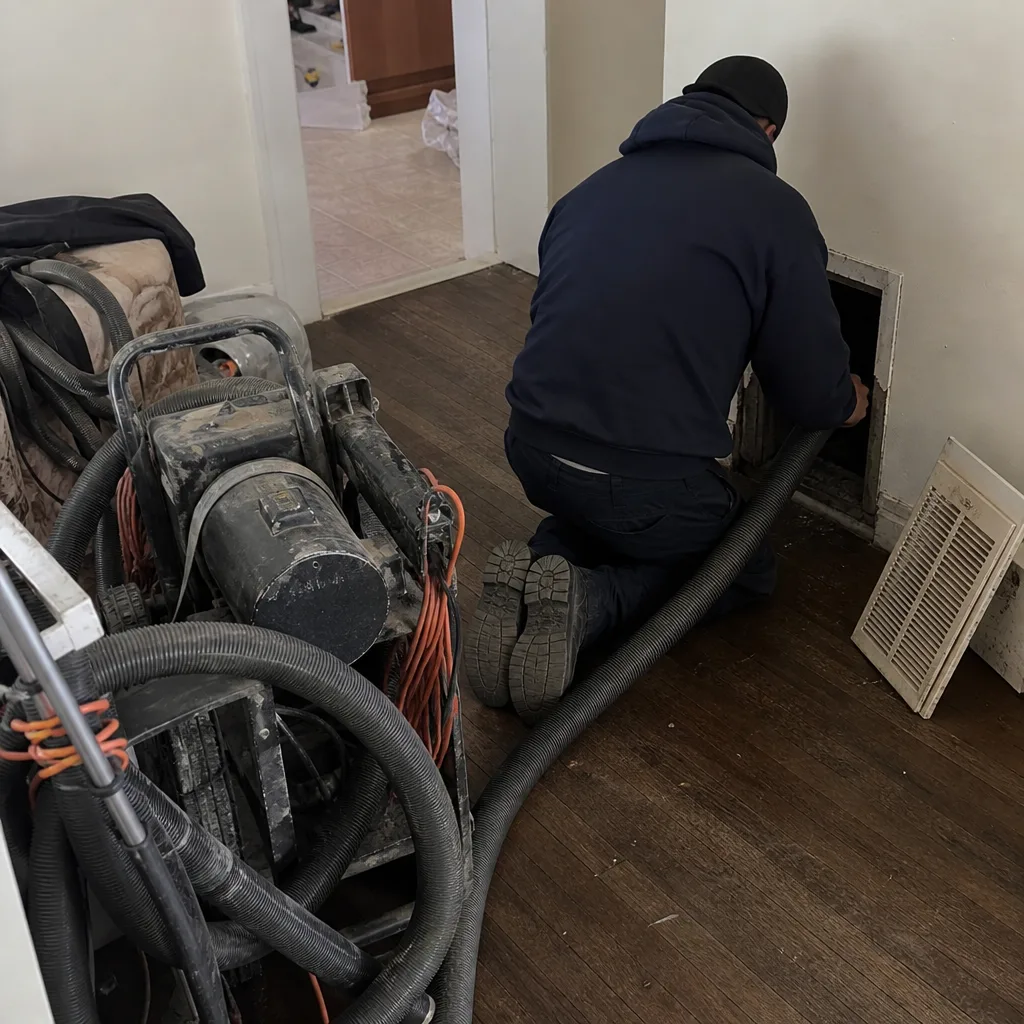 Before
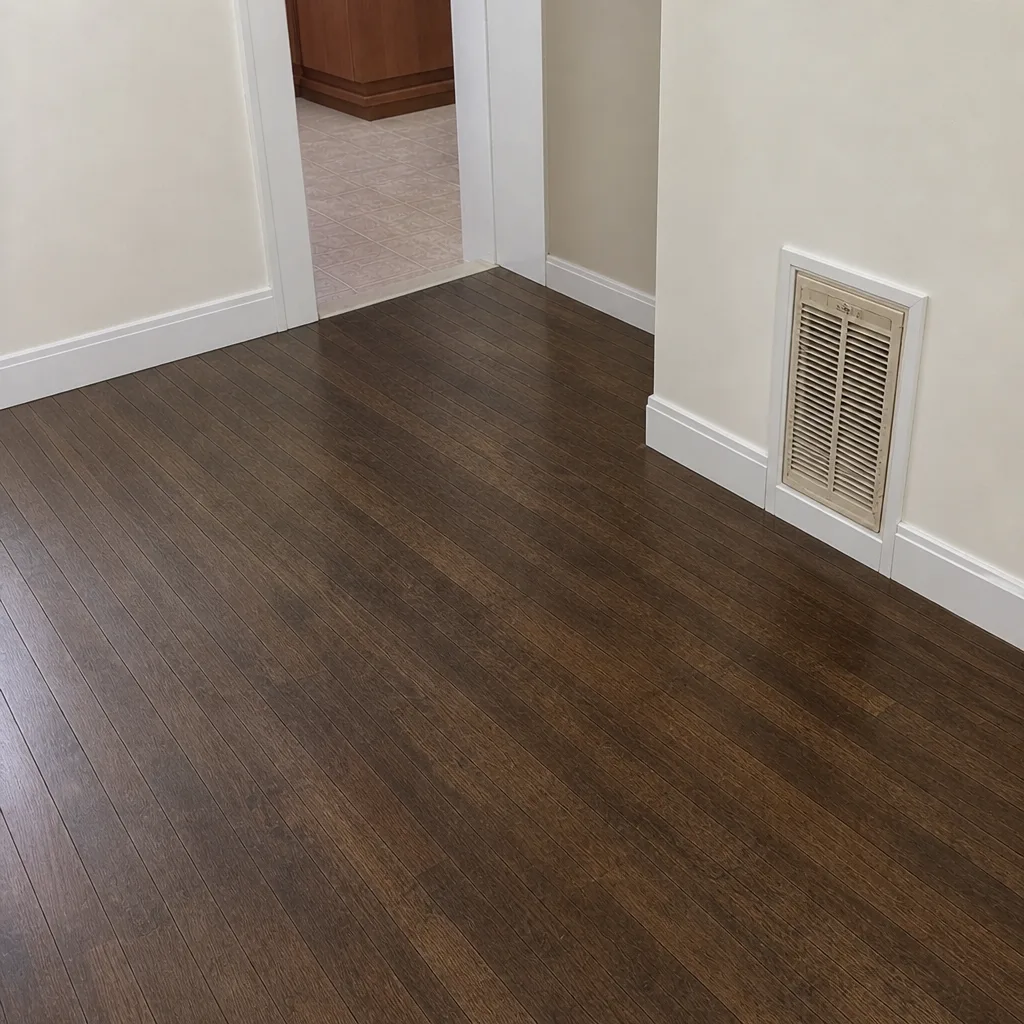 After
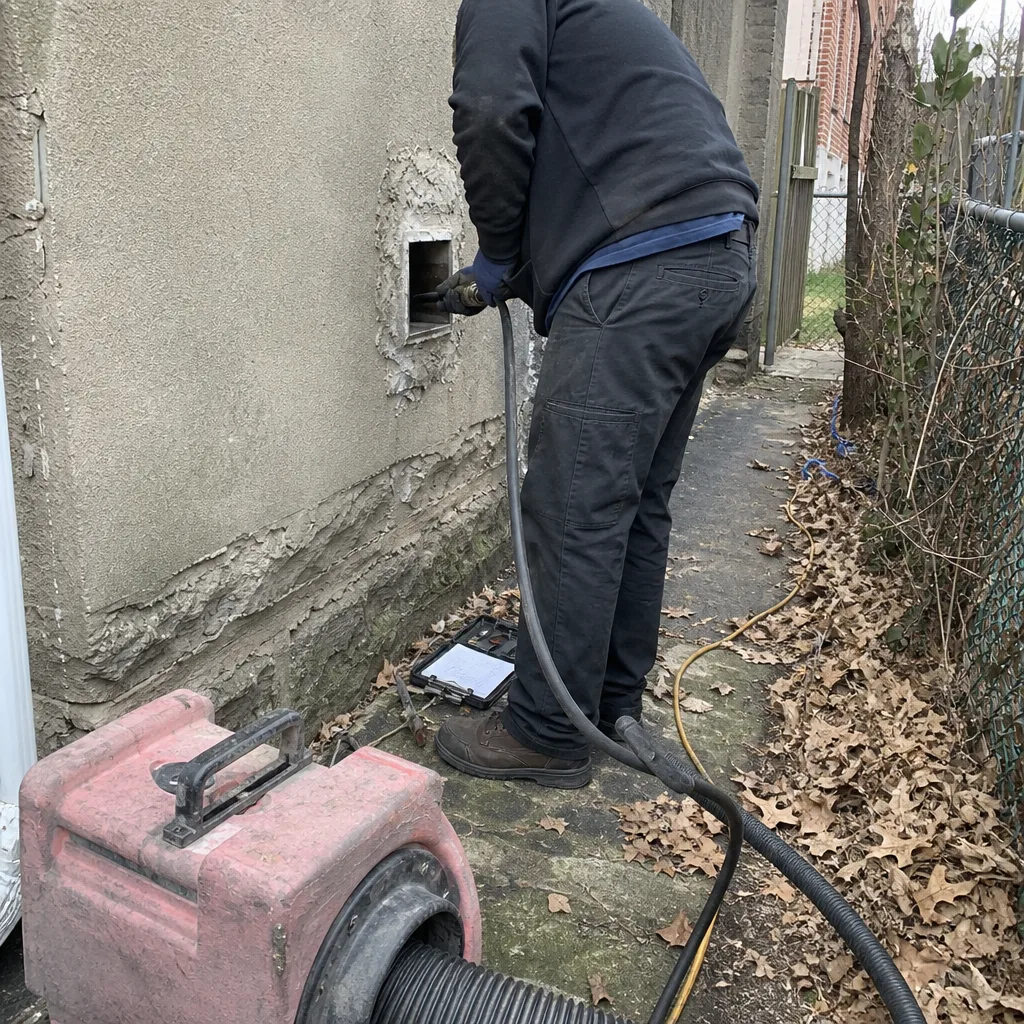 Before
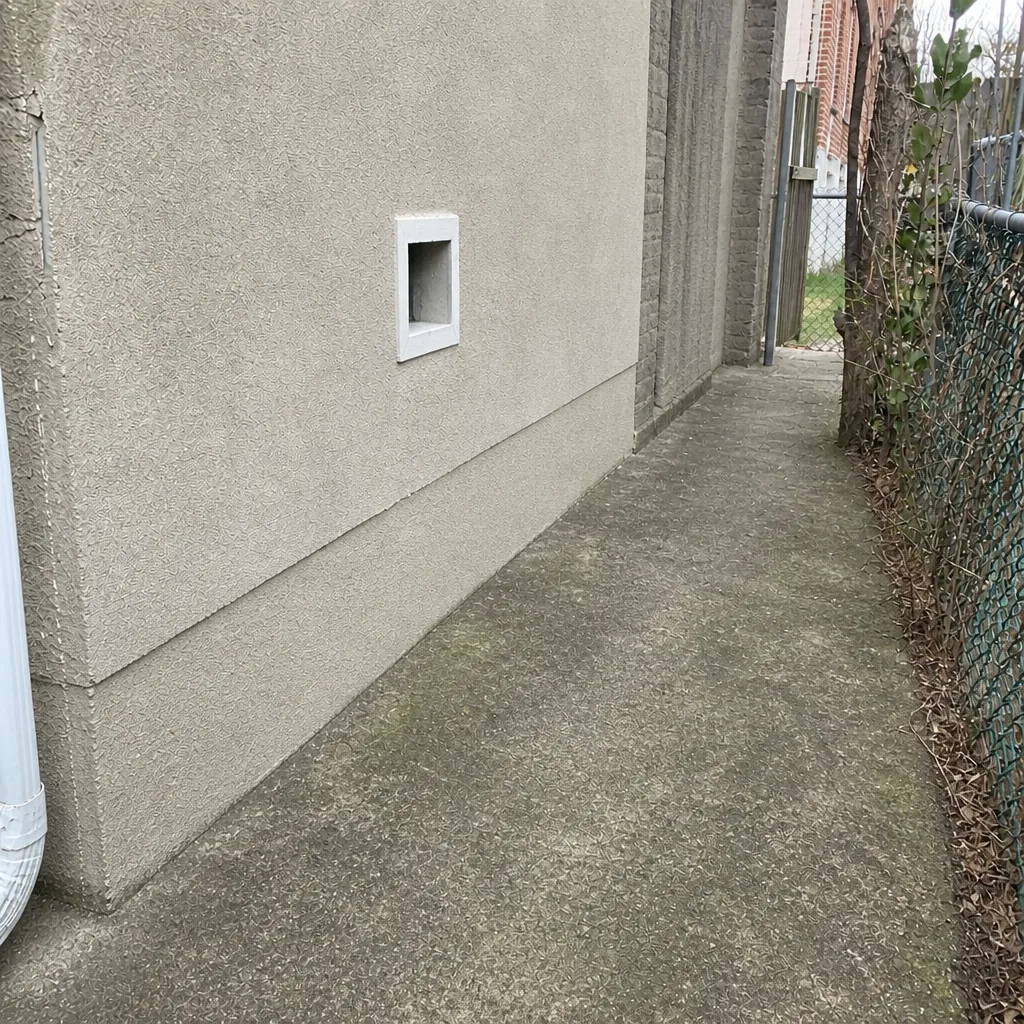 After