
Last updated November 22, 2026
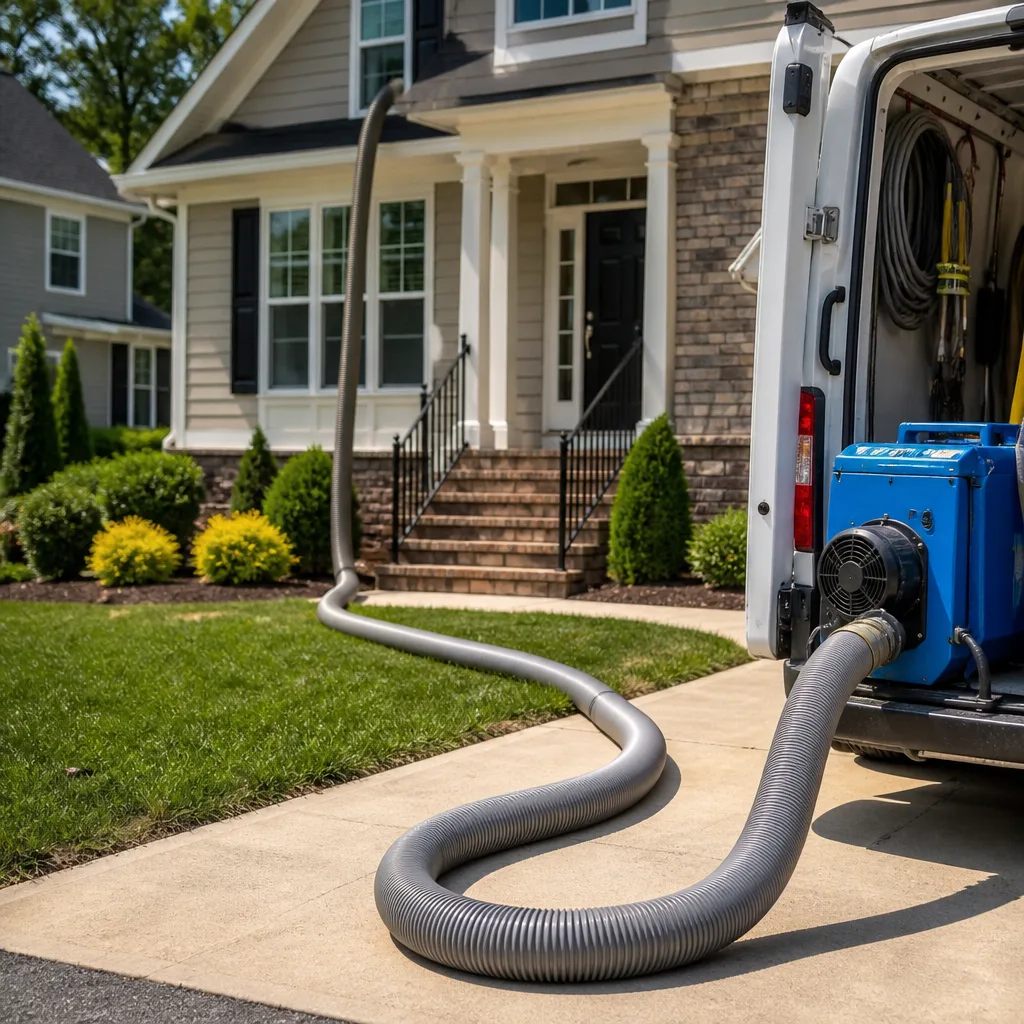 Whole-home duct cleaning
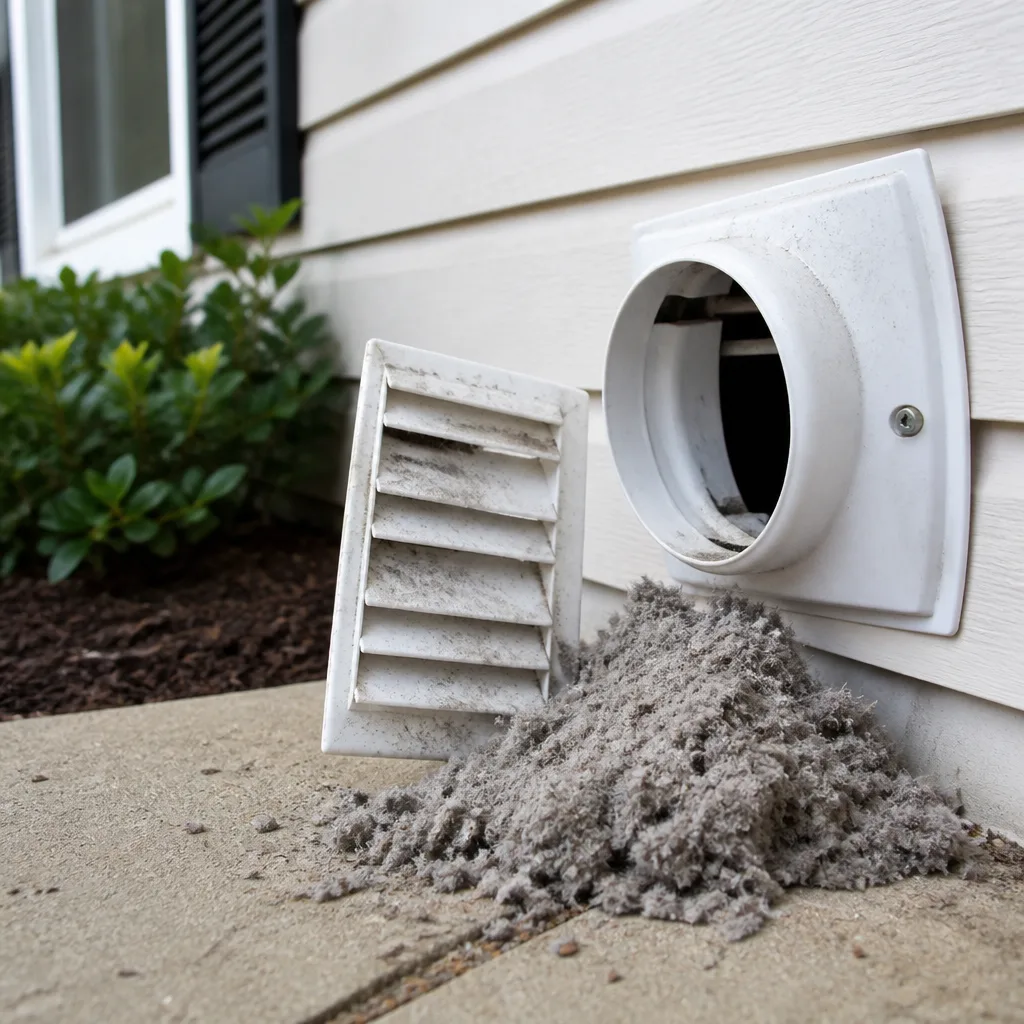 Dryer vent cleaning
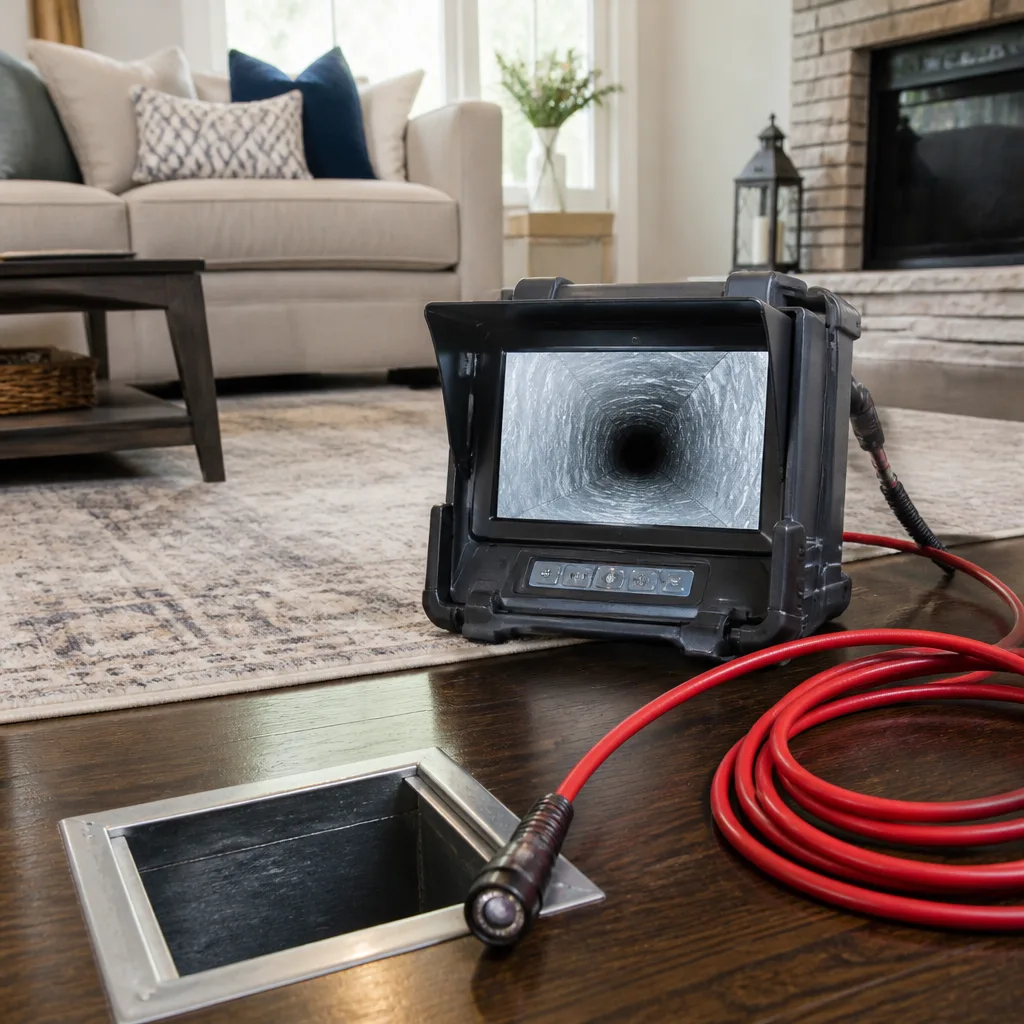 Camera inspection
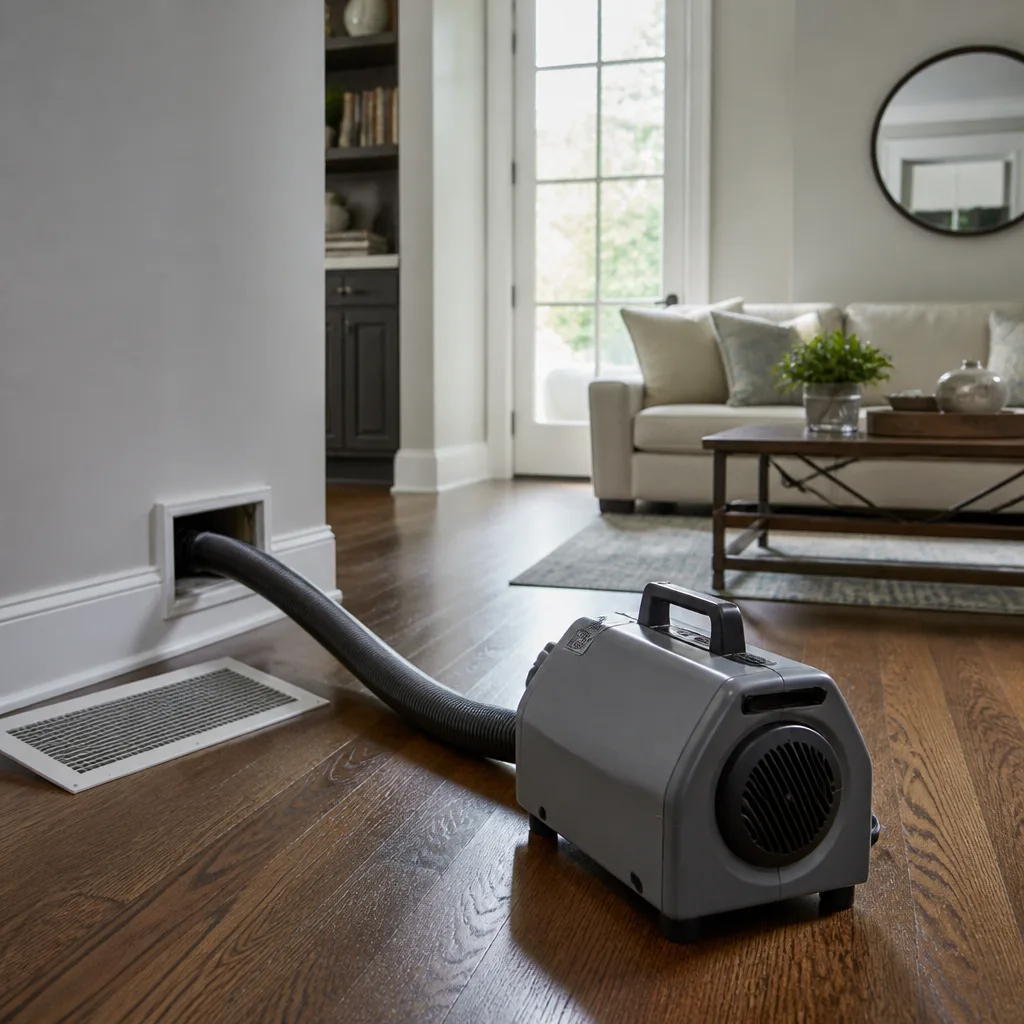 Sanitizing & deodorizing
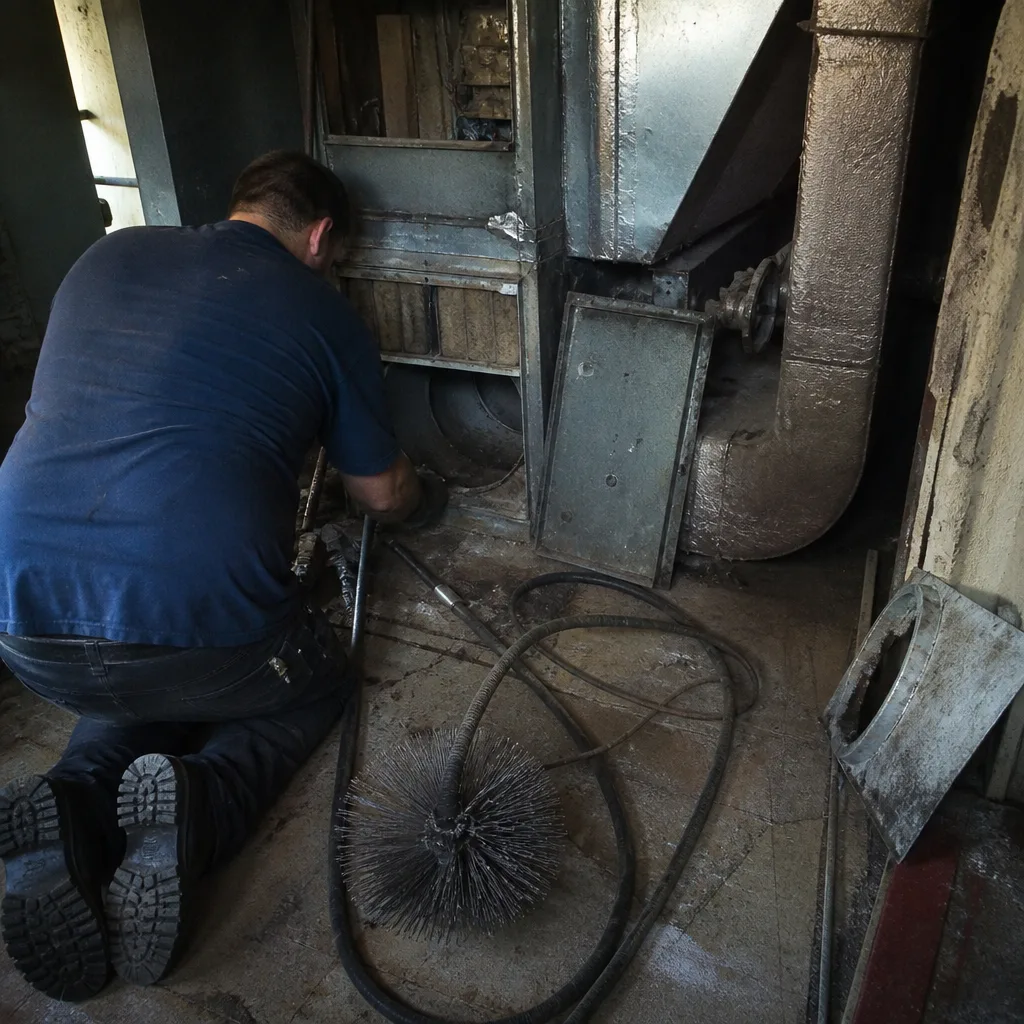
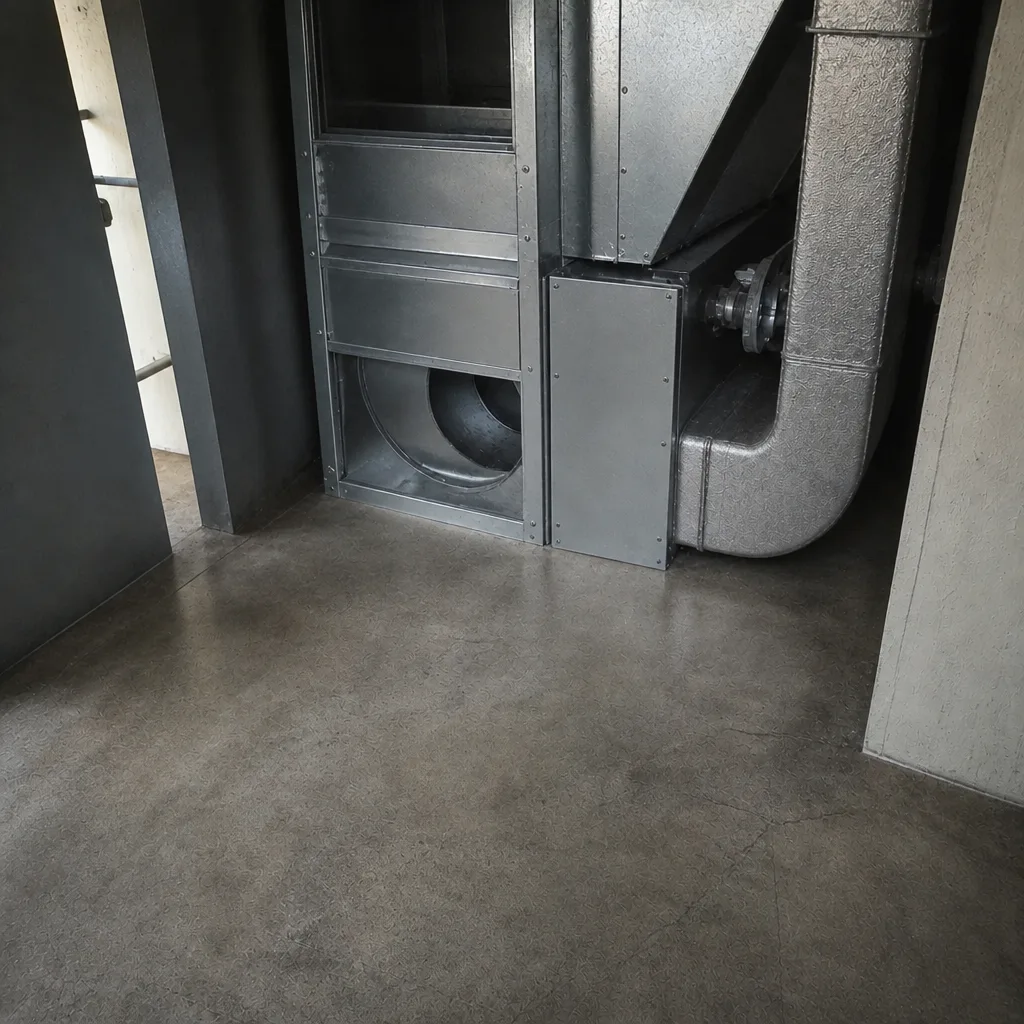
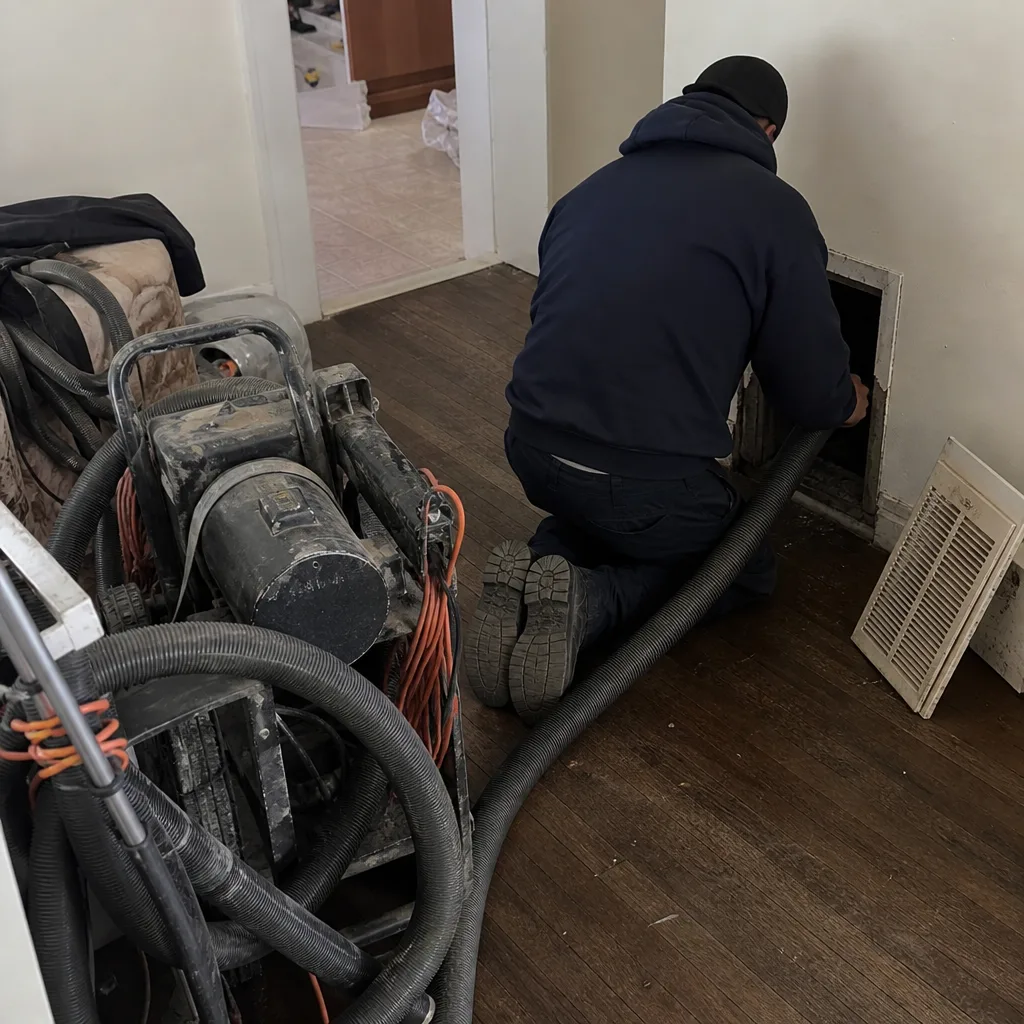
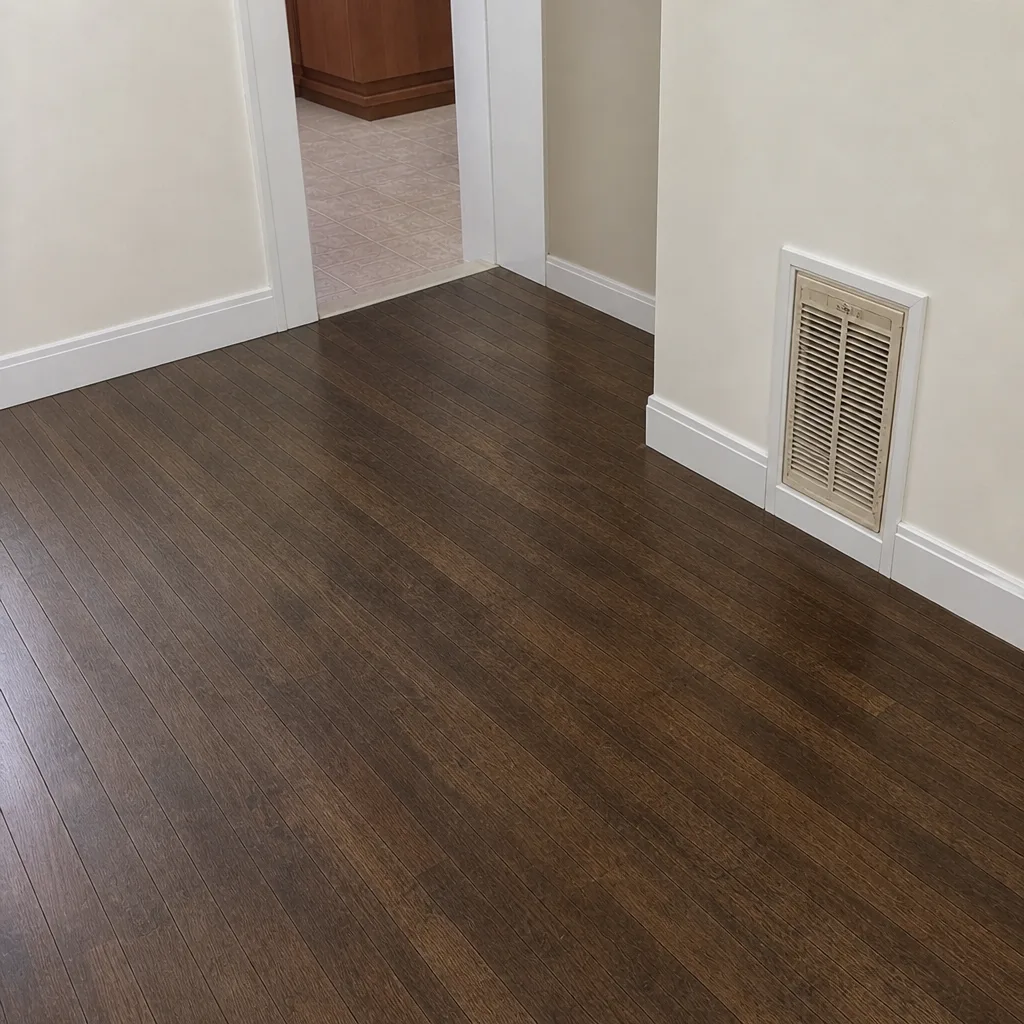
Whole-system duct and dryer vent check with before-and-after photos - you see exactly what came out of your vents
That "$99 whole-house special" is a bait ad - the real number appears once they are in your hallway, or the "clean" is a shop-vac at the register. We photograph the inside of your ducts before and after instead.
Air Duct Cleaning Maintenance Schedule: What to Do and When
A household with two shedding dogs, an older filter, and flex duct accumulates debris far faster than a pet-free home with a high-grade filter and sheet-metal trunk lines. Yet both get handed the same tidy advice: clean your ducts every three to five years. That flat number ignores the variables that actually drive how quickly a duct system loads up, and in a city where the house stock runs from mid-century rowhouses to newer builds, no single calendar fits every block. What follows is a decision tree, not a wall chart. You’ll learn how to set your own cleaning interval based on pets, allergies, filter grade, and duct material, then fill in the monthly, quarterly, and annual tasks that keep the system honest between professional cleanings. We’ll tie it to Northeast Philadelphia conditions along the way.
Quick Answer
There is no universal duct cleaning interval. Most occupied homes need a full cleaning every three to five years, but that window tightens to every two to three years for households with shedding pets, allergy sufferers, recent renovations, or low-grade disposable filters. Between cleanings, change the filter on the manufacturer’s schedule, vacuum registers monthly to quarterly, inspect the dryer vent twice a year, and check exposed flex duct for moisture before the fall startup.
Styles & brands we work with
- Whole-home duct cleaning
- Dryer vent cleaning
- Camera inspection
- Sanitizing & deodorizing
Table of Contents
- How Often Should Ducts Be Cleaned? Building Your Decision Tree
- The Interim Tasks: Monthly, Quarterly, and Annual Slots
- Summer Humidity and What Flex Duct Does Between June and August
- When to Add a UV-C Lamp or Ionizer Check
- Documenting Cleaning Dates and Filter Purchases
- Post-Renovation and New-Home Timelines
- Common Mistakes to Avoid
- When to Call a Professional
How Often Should Ducts Be Cleaned? Building Your Decision Tree
Start from a baseline interval, then adjust it for the four variables that matter most: pets, occupants with allergies, filter grade, and duct material. A pet-free home with a higher-MERV filter and hard sheet-metal trunk lines can drift toward the five-year end of the range and stay clean. A home with two heavy-shedding dogs, a low-grade filter, and runs of flex duct will load up much faster and should be scheduled closer to two or three years.
Here’s how to work through it:
- Baseline: Set three to five years for an average occupied home with no unusual load.
- Pets: If you have one or more shedding animals, subtract one to two years. Fur and dander bind to dust inside the duct and build a matted layer that a filter can’t stop.
- Allergies or asthma in the household: Subtract a year and prioritize inspections. You want to catch buildup before it becomes airborne nuisance dust at registers.
- Filter grade: A high-MERV filter that’s changed on schedule stretches the interval. A cheap fiberglass filter changed late shortens it.
- Duct material: Sheet-metal trunk lines with tight joints stay cleaner longer. Long runs of flex duct, especially with sags where dust settles, need earlier attention.
- Renovation history: Any drywall work, sanding, or flooring demo in the past two years means an add-on cleaning, regardless of the calendar.
Two homes on the same Northeast Philadelphia street can land on different intervals for exactly these reasons. The one with a finished basement and a pair of huskies outruns the empty-nester next door every time. When you’re ready to book, you can start with air duct cleaning and use the first visit as a baseline.
The Interim Tasks: Monthly, Quarterly, and Annual Slots
The professional cleaning is the big event. The work between visits is what keeps the interval from collapsing. Map it to three cadences and you’ll never wonder what to do next.
Monthly
- Check the filter. Hold it up to a light; if you can’t see through it, it’s due. Manufacturers print a replacement interval, and dusty months here can bring it forward.
- Wipe register grilles with a damp cloth. Surface dust on the face of a register is the first sign of system load.
- Glance at exposed flex duct in the basement or attic for condensation or sagging.
Quarterly
- Vacuum register slots and return-air grilles with a brush attachment. Do the supply registers and the big return last, since that’s where the volume concentrates.
- Walk the duct runs you can see and look for disconnected joints, crushed sections, or tape that’s peeling away. A loose joint pulls attic or basement air straight into the system.
- Recheck the filter if you’re in a pet household. Quarterly is often the real cadence for heavy-shedding homes.
Annually
- Inspect the dryer vent from the dryer connection to the exterior hood. Lint buildup is a fire risk, and it’s the single most overlooked part of a duct maintenance routine.
- Before heating season, do a full visual inspection of accessible duct and equipment.
- Log the date, what was done, and any filter purchases in one place (more on documentation below).
If the annual inspection turns up lint or debris in the dryer line, schedule dryer vent cleaning before you need to think about it again. The same rhythm applies to the air handler and coil side, which is why HVAC cleaning belongs on the same annual date.
Summer Humidity and What Flex Duct Does Between June and August
Northeast Philadelphia summers run humid, and that matters more for flex duct than for metal. Flex duct has a plastic inner liner, a fiberglass wrap, and an outer jacket. When the system runs cold air through a humid attic or crawlspace, moisture can condense on the outer jacket. Damp insulation holds that moisture, and over a summer it’s a setup for microbial growth on the liner. That’s why the pre-fall check matters: you want to catch a damp jacket in September, not find a musty smell in November.
What to monitor before fall startup:
- Any cold, clammy feel on exposed flex duct runs in the basement or attic.
- Water staining or dark patches on the outer jacket.
- A musty odor at supply registers when the system first kicks on for heating.
- Dampness or standing moisture in the mechanical space around the air handler.
If you find any of these, don’t just clean around it. The root cause is usually unsealed or uninsulated duct, and that’s a repair issue. Duct repair and sealing addresses it at the source rather than masking it. Air Duct Cleaning Northeast Philadelphia handles that as a core service, along with the cleaning itself. In a humid climate, sealing gaps and tightening the jacket is what keeps the cleaning from becoming an annual repeat.
When to Add a UV-C Lamp or Ionizer Check
Not every home needs air treatment hardware, and adding it prematurely is a way to spend money without a result. The rule we use: treat the cause first, then decide whether you need a device. A clean, sealed duct system with a properly graded filter solves most indoor-air complaints. A UV-C lamp or ionizer is a supplement, not a substitute for cleaning.
Consider adding treatment in these situations:
- Household members with allergies or respiratory sensitivity that persists after a full cleaning.
- A history of musty odor or moisture in the duct system that’s been corrected but you want ongoing control.
- A high-occupancy home, or a rental property with frequent turnover, where you want a documented air-quality step.
- A previous renovation left dust and you’re layering in filtration as part of the fix.
When you’re ready for hardware, the brand matters. We stock and install Honeywell and Aprilaire air-quality products, which bridge the gap between a one-time cleaning and long-term filtration. For elevated or remediation-level scenarios, we use Abatement Technologies equipment and apply Guardsman protective products in our sanitizing and surface-treatment work. The point is to match the device to the verified problem, not to sell a box.
If the schedule calls for a full system review, our Air Duct Cleaning Northeast Philadelphia team can walk the whole chain with you.
Documenting Cleaning Dates and Filter Purchases
Keep a simple log, and keep it in one place. A paper folder next to the filter box or a note on your phone both work; the value is having a verifiable record when someone asks. That matters for two reasons: a home sale disclosure and an HVAC warranty claim. Buyers and warranty administrators both want dates, not memories.
What to record:
- The date of each professional cleaning and which services were performed.
- The filter size, MERV rating, and date of each replacement.
- The date of any duct repair or sealing work and what was sealed.
- Dryer vent inspection and cleaning dates.
- Any air-quality device installed, with model and install date.
Keep receipts for filter purchases too. If an HVAC warranty claim ever hinges on maintenance, a dated paper trail is what you have. Our technicians have up to 14 years of experience, and a routine they follow closely is asking what’s been recorded and what’s been done. If you’ve lost track, a first professional cleaning resets the clock. In Northeast Philadelphia, where many homes change hands and buyers ask pointed questions about maintenance, that log is worth the small effort.
Post-Renovation and New-Home Timelines
Two moments in a home’s life override the normal calendar: right after a renovation and right after purchase. Both deserve a cleaning independent of the three-to-five-year rule.
After any drywall, sanding, or floor refinishing project, fine dust gets pulled into the return side of the system and settles through the duct runs. It doesn’t stay put. Within weeks you’ll find it dusting your registers and fogging the indoor air. Schedule a cleaning after the project ends and the dust has settled, not while workers are still cutting. This is one of the most common reasons people call us, and in a city full of older rowhouses being gut-renovated, it comes up constantly.
On a new purchase, treat the first cleaning as a reset. You don’t know the previous owner’s filter habits or whether the ducts have ever been touched. A first cleaning, paired with an inspection, tells you what shape the system is in and gives you a clean baseline for your own schedule. That’s a reasonable first-month task after you get the keys.
Our professional-grade Rotobrush rotary brush system is what we use for the mechanical cleaning on both of these jobs, because fine renovation dust needs a real brush to lift it off the duct wall rather than a vacuum pulling at loose surface particles. Contractor-grade equipment, residential care.
Common Mistakes to Avoid
- Treating three to five years as gospel. That number is a starting point, not a rule. A pet household on flex duct with a cheap filter should be on the shorter end; a clean metal system with a good filter can stretch. Reassess your interval each time you clean.
- Ignoring the dryer vent. Many homeowners focus entirely on supply ducts and never look at the dryer line. Lint in that run is a fire risk and a common cause of dryer inefficiency, so put it on the annual list.
- Buying a high-MERV filter and leaving it in too long. A dirty high-MERV filter restricts airflow and can strain the blower. Check it monthly; replace it on the manufacturer’s interval, not on memory.
- Adding a UV-C lamp before cleaning. A treatment device on a dirty system does little. Clean and seal first, then decide on hardware.
- Cleaning during a renovation instead of after. Dust from an active project will recontaminate the system. Wait until the work is finished and the heavy dust has settled.
- Not keeping records. Without a log, you can’t answer a buyer or a warranty administrator. Document as you go, not from memory.
- Choosing on price alone. A very low quote often skips the mechanical brush work and the sealing that make a cleaning last. Ask what equipment and what steps are included before you book.
When to Call a Professional
Some tasks belong in your own hands and some don’t. Call a professional when you see visible debris or dust streaming from registers, when a recent renovation left fine dust in the system, when you’re moving into a home with unknown duct history, when you notice musty odor or moisture on flex duct, or when you’re due for the scheduled interval and want a thorough mechanical cleaning. If a duct joint is disconnected or crushed, that’s a repair call, not a vacuum job. A full-system approach covers cleaning, sealing, and air treatment in one visit rather than stitching separate providers together. Air Duct Cleaning Northeast Philadelphia offers free estimates in Northeast Philadelphia. Call (833) 508-9983. We answer 24/7. Fast dispatch from 7am to 7pm, Sunday through Friday. One call covers your ducts, vents, and HVAC system.
See the difference
 Before
 After
 Before
 After
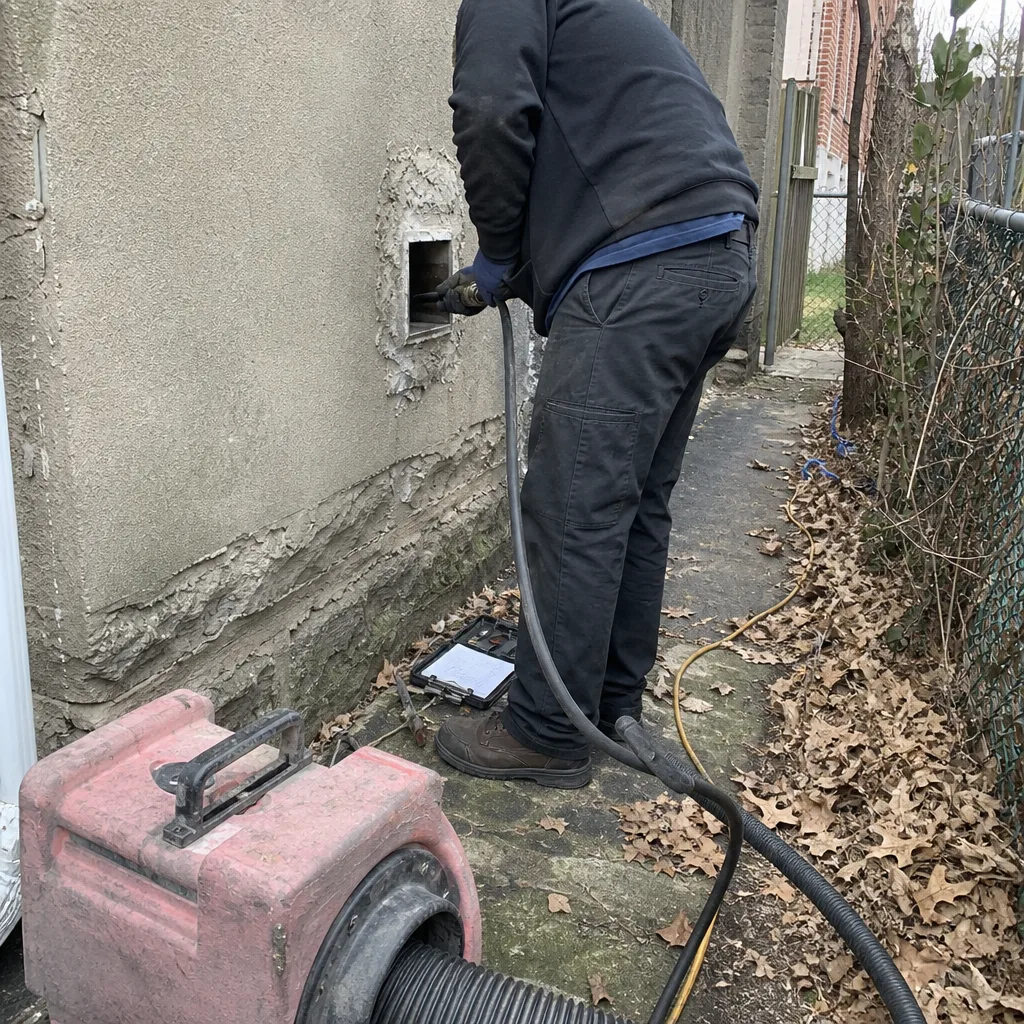 Before
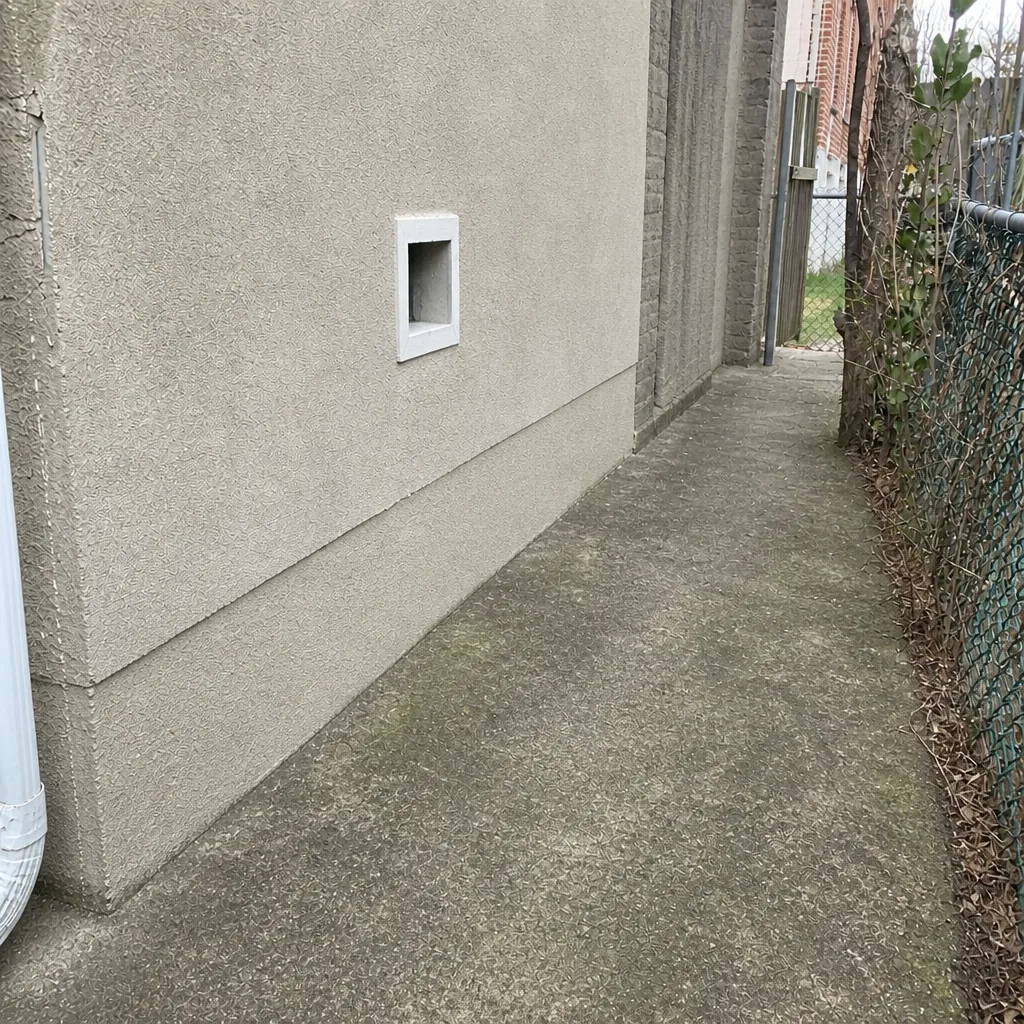 After
Frequently Asked Questions
Most homes need a full cleaning every three to five years, adjusted for pets, allergies, filter grade, and duct material. A pet household on flex duct with a low-grade filter should be closer to two to three years; a clean sheet-metal system with a good filter can go five. Call (833) 508-9983 for an exact quote. Estimates are free.
Pricing is set per job by a written estimate based on system size and condition, so there’s no honest flat number until someone looks. What you should ask for is one flat price per system agreed before work starts, not a per-vent price. A written estimate before any work is the protection against bait-and-switch. Call (833) 508-9983 for an exact quote. Estimates are free.
Low quotes often skip the mechanical brush cleaning or skip sealing, so you get surface vacuuming and the problem returns. A real cleaning uses contractor-grade equipment like the Rotobrush rotary brush to lift debris off the duct wall, then seals gaps so it stays out. One flat price per system agreed before work starts is the honest model. Call (833) 508-9983 for an exact quote. Estimates are free.
Ask for before-and-after photos of your own ducts and a written record of the services performed. That’s the standard we hold, and it’s also what you’ll want for your maintenance log. Keep the photos with your filter and cleaning dates. Call (833) 508-9983 for an exact quote. Estimates are free.
Yes, if the project involved drywall, sanding, or floor refinishing. Fine dust gets pulled into the return side and settles through the runs, so schedule a cleaning after the work is finished and the dust has settled. That’s one of the most common reasons homeowners in Northeast Philadelphia book.
You should vacuum registers monthly to quarterly, but that doesn’t reach inside the duct runs where debris actually accumulates. Register cleaning keeps the visible surfaces tidy; it doesn’t replace a professional cleaning on the interval. Call (833) 508-9983 for an exact quote. Estimates are free.
The Bottom Line
Set your interval from your household profile, not a yardstick. Pets, allergies, filter grade, and duct material are the four variables that move the window, and a pet household on flex duct needs a shorter cycle than a clean metal system with a good filter. Fill in the monthly, quarterly, and annual tasks to keep the system honest between cleanings. Watch flex duct for moisture through the humid summer and check before fall startup. Add air treatment only after cleaning and sealing, and keep a written log for buyers and warranty claims. If you’re overdue or unsure, call (833) 508-9983 for a free estimate in Northeast Philadelphia.
Written by the team at Air Duct Cleaning Northeast Philadelphia.