
Last updated November 22, 2026
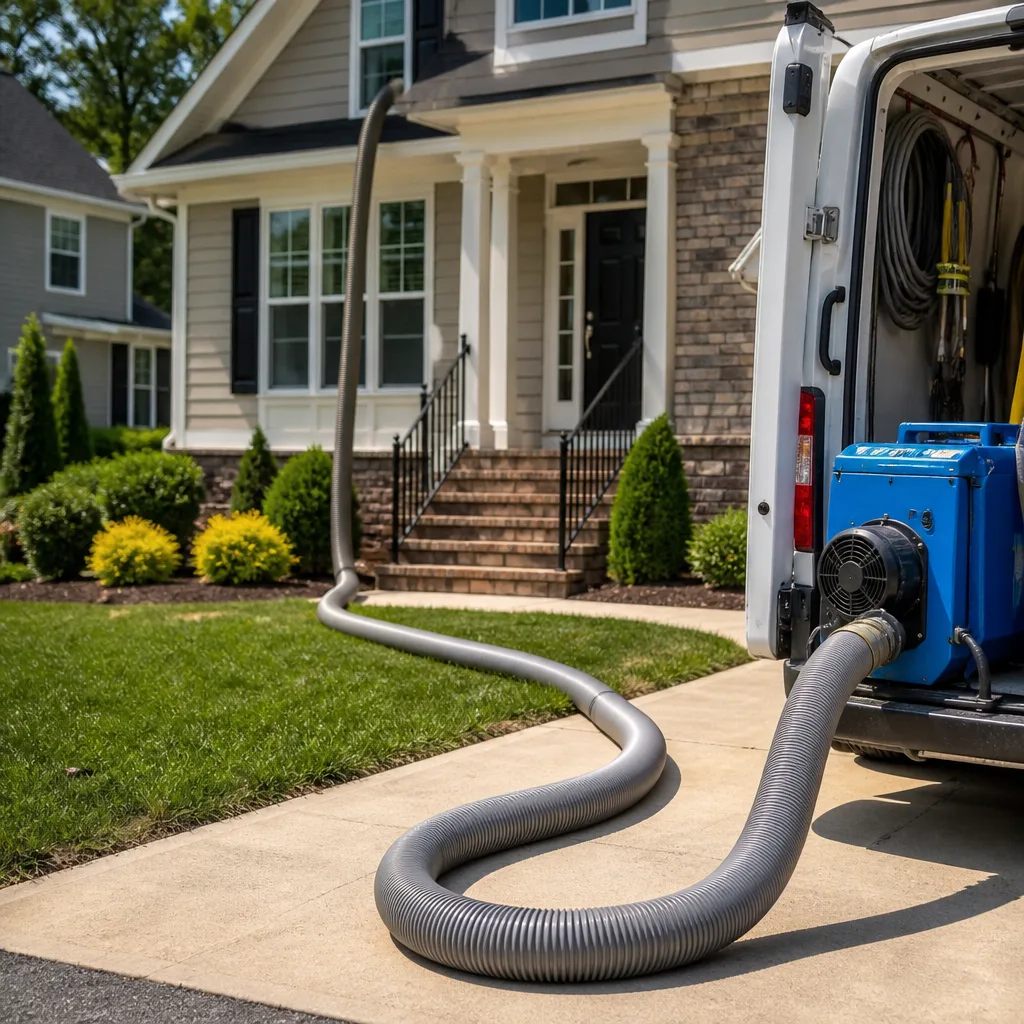 Whole-home duct cleaning
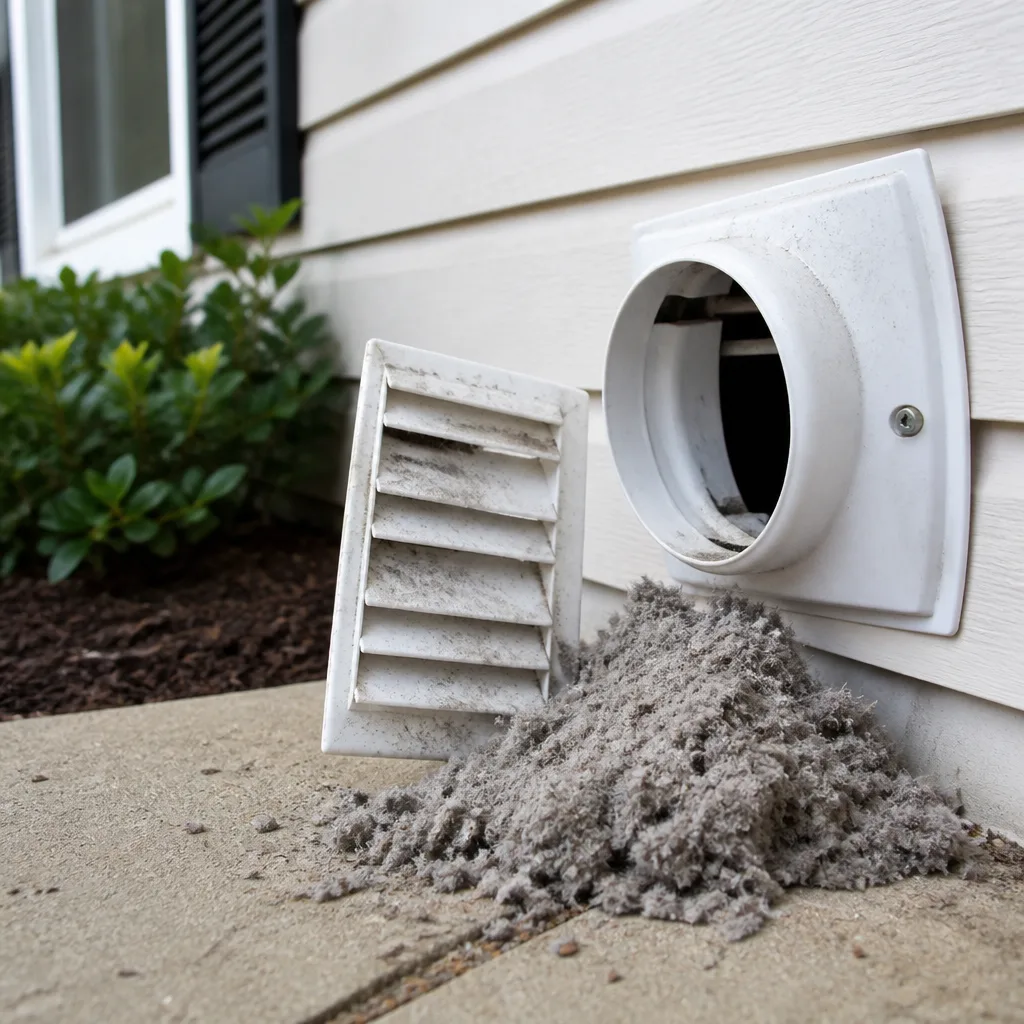 Dryer vent cleaning
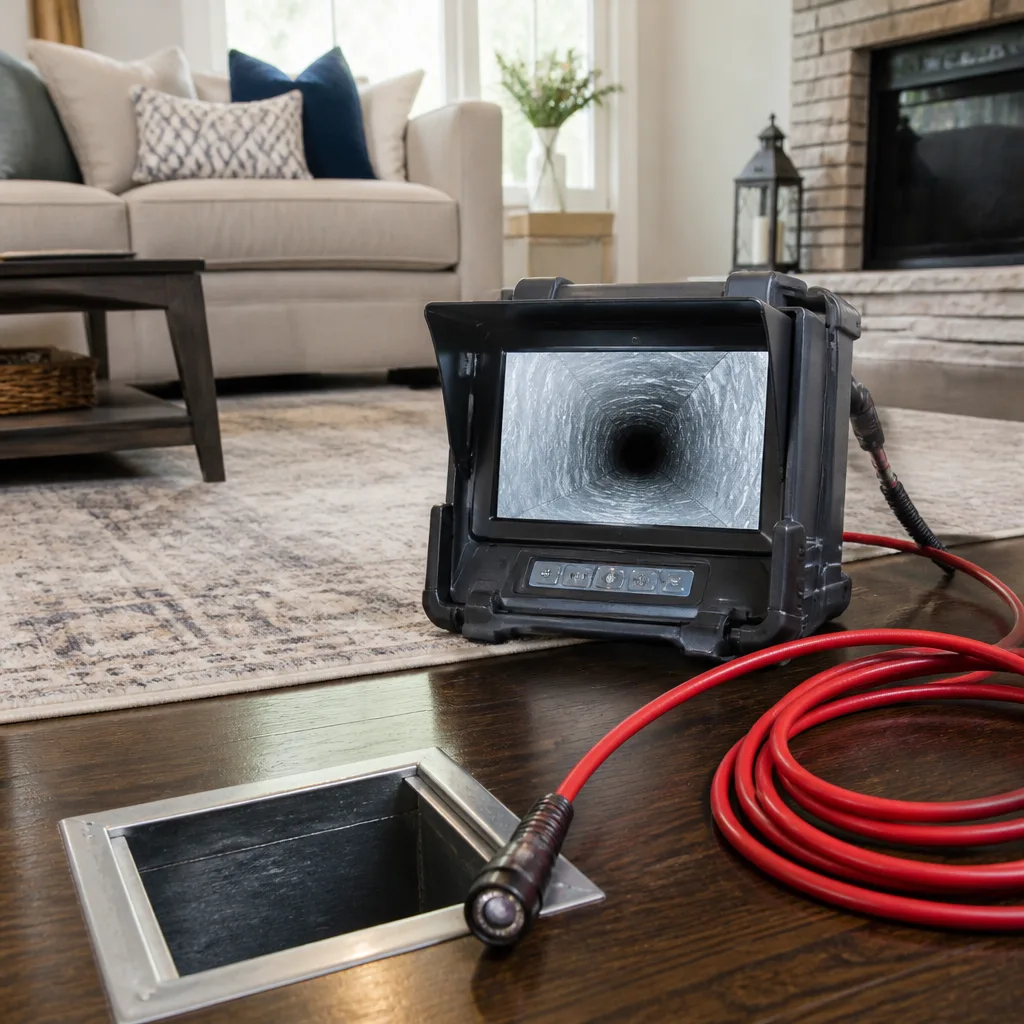 Camera inspection
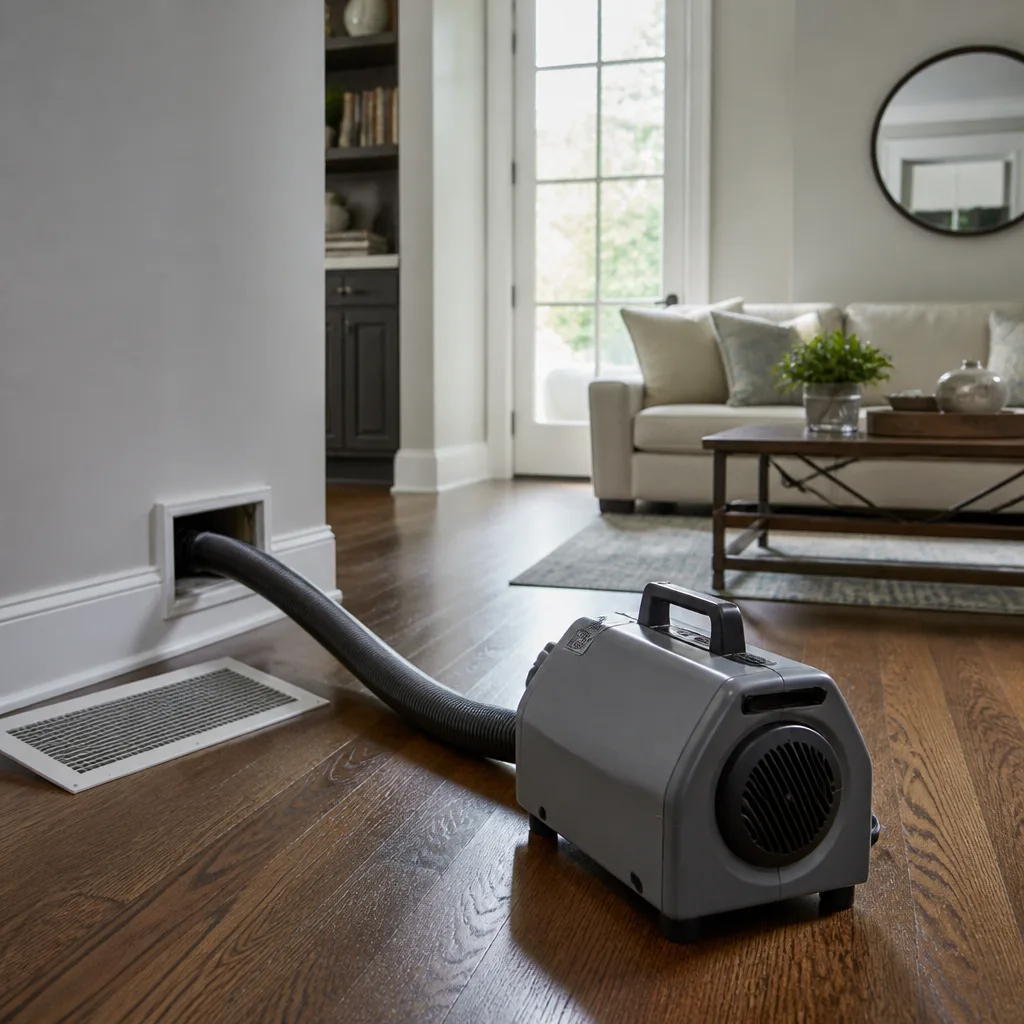 Sanitizing & deodorizing
Whole-system duct and dryer vent check with before-and-after photos - you see exactly what came out of your vents
That "$99 whole-house special" is a bait ad - the real number appears once they are in your hallway, or the "clean" is a shop-vac at the register. We photograph the inside of your ducts before and after instead.
Air Duct Cleaning Warning Signs: A Northeast Philadelphia Homeowner’s Reference Guide
Dust on your supply registers is the warning sign everyone notices, and it’s usually the least important one. It tells you a surface is dirty. It doesn’t tell you whether your ducts are actually contaminating the air your family breathes. The signals that matter more are quieter: a bedroom that never gets as warm as the hallway, a musty smell that shows up for thirty seconds when the blower first kicks on, a filter that clogs faster than it used to. This guide teaches you to read those signals by severity, correlate them, and tell the difference between a cleaning job, a repair job, and a call-someone-today situation. It’s written for Northeast Philadelphia homes specifically, because the housing stock here has its own patterns.
Quick Answer
The most reliable warning signs of a real duct problem are performance signals (uneven room temperatures, filters clogging faster, weak airflow at distant registers) and health or safety signals (musty odor at startup, visible moisture at a duct joint, pest evidence). Surface dust alone is cosmetic. Two or more performance signals together, or any safety signal, means you should get the system inspected rather than just vacuumed.
Styles & brands we work with
- Whole-home duct cleaning
- Dryer vent cleaning
- Camera inspection
- Sanitizing & deodorizing
Table of Contents
- The Three-Tier Severity Framework
- Tier 1: Cosmetic Indicators You Can Watch
- Tier 2: Performance Indicators That Point to System Trouble
- Tier 3: Health and Safety Indicators
- Northeast Philadelphia Triggers Most Guides Miss
- How to Self-Inspect a Return Grille With a Flashlight and Your Phone
- Reading Allergy Symptoms Against HVAC Runtime
- When Cleaning Alone Won’t Solve It
The Three-Tier Severity Framework
Not every dust complaint deserves the same response. We sort what homeowners describe into three tiers, and the tier decides what happens next.
Tier 1, cosmetic. Visible dust on register slats, light dust film on nearby furniture, a faint stale smell that fades quickly. These are surface conditions. They’re worth addressing, but they don’t suggest the air stream is contaminated.
Tier 2, performance. The system isn’t moving air the way it should, or it’s moving dirty air. You feel it before you see it: a register that used to blow hard now doesn’t, a filter that used to last a season now loads up in weeks, rooms at the end of a long run never quite catch up to the thermostat. This tier is where most genuine cleaning jobs live.
Tier 3, health and safety. Visible mold growth at a register or on duct lining, rodent droppings or nesting material inside a duct, active moisture at a joint, a fiberglass liner shedding into the air stream, or a cracked heat exchanger. Tier 3 is not a cleaning decision. It’s an inspection decision, and sometimes it’s a stop-using-the-system decision.
Across Northeast Philadelphia, the homes we’re asked about most are the 1950s and 1960s rowhouses and twins in neighborhoods like Mayfair, Holmesburg, and Rhawnhurst, where duct systems were often retrofitted rather than designed in. Those systems tend to land in Tier 2 more often than newer construction, because the runs are long, the boots are older, and the return path is sometimes undersized for the blower that’s now pushing through it.
Tier 1: Cosmetic Indicators You Can Watch
Cosmetic indicators are the easy ones, and they’re the ones aggressive marketing leans on hardest. That doesn’t make them meaningless. It makes them a starting point.
- Dust on supply register slats. Normal. Registers collect dust because supply air carries it and the slats catch it. Wipe one down and see how fast it returns. Slats that gray over in a week are telling you something the slats that gray over in three months aren’t.
- Dust film on horizontal surfaces near a supply. A light film within a foot of the register is expected. A noticeable film across an entire room, couch and shelf tops included, suggests dust is being projected, not just settling.
- Faint stale odor at first startup. A brief musty note when the blower starts after a long off cycle is common in humid months. It should fade within seconds. If it lingers or intensifies, move it to Tier 2.
- Dust streaks on the ceiling around a supply. These are often caused by register vanes aiming air straight up at a surface. Repositioning the vanes usually resolves it, no cleaning required.
If your only complaints are on this list, a standard air duct cleaning on a reasonable interval is the right response. It’s maintenance, not rescue.
Tier 2: Performance Indicators That Point to System Trouble
Performance indicators matter more because they describe how the system behaves, not how it looks. In our experience, a homeowner reporting two or more of these together is almost always describing a system that needs attention.
Uneven room temperatures. The room above the garage, the far end of a long run, the front bedroom that faces north. If one room consistently runs cooler or warmer than the rest of a Northeast Philadelphia rowhouse, the cause is often a combination of dirty supply runs, a partially collapsed flex duct, or a return path that isn’t pulling from that part of the house. A duct cleaning won’t fix a collapsed duct, but it will reveal one.
Rising filter-clog frequency. If you’ve replaced a filter on the same schedule for a while and it now loads up faster, something has changed. The filter is doing its job; it’s catching what the air stream is carrying. Increased filter loading often tracks back to a source inside the duct system, a gap at a joint pulling from a crawlspace, or a return that’s drawing from an unfinished basement.
Weak airflow at distant registers. Hold your hand at the closest register and the farthest one. The difference should be modest. A distant register you can barely feel often points to leakage or blockage in the run.
A blower that sounds like it’s working harder. A system straining against a dirty coil or a restricted return is a system approaching a failure. This is where HVAC cleaning matters as much as duct work, because the coil and blower are part of the same air circuit as the ducts.
Tier 3: Health and Safety Indicators
This tier is where we stop talking about cleaning frequency and start talking about inspection.
- Visible mold at a register or on a duct surface. Fuzzy growth, dark speckling, or a powdery bloom on the interior surfaces you can see. Mold needs moisture, so its presence raises the question of where the moisture is coming from.
- Pest evidence. Droppings, nesting material, chewed insulation, or a dead animal smell inside a duct. Rodents and birds get into duct systems through gaps that are also air gaps.
- Persistent respiratory symptoms tied to HVAC runtime. See the allergy section below.
- Active moisture at a duct joint. Water staining, a rusted joint, or condensation forming where a duct passes through an unconditioned space. This is a duct repair and sealing problem as much as a cleaning problem.
- Suspected cracked heat exchanger. A gas furnace with a cracked heat exchanger can introduce combustion products into the supply air. A carbon monoxide detector is not optional in a home with gas-fired heating equipment. If you suspect a heat exchanger problem, shut the system down and get it inspected by a licensed HVAC contractor.
Carbon monoxide and combustion safety are outside what a duct cleaner does. We flag it because the air stream passes over the heat exchanger, and the signs of trouble there can look like duct signs from the register side.
Northeast Philadelphia Triggers Most Guides Miss
Housing stock here has a specific story. Northeast Philadelphia saw a lot of oil heat converted to gas through the 1970s, 1980s, and beyond. The furnace may be new, but the duct system around it wasn’t rebuilt to match. That history leaves a signature.
Residual soot in the duct lining after an oil-to-gas conversion. Oil-fired furnaces produce soot over time, and some of it settles into duct lining and crevices. When the system was running on oil, the soot largely stayed put. When the furnace goes to gas and the blower is set to a higher speed or the duct path changes, that settled soot can become airborne. The homeowner notices new dust patterns, a faint odor, or filter loading and assumes the ducts need cleaning. Sometimes that’s true. Sometimes the right first step is an inspection to see what’s actually in the system before anyone starts putting a brush to it. A homeowner in Mayfair or Tacony who has an oil-to-gas conversion in the home’s history should flag it when they call.
Undersized returns in long rowhouse runs. The typical Northeast Philadelphia rowhouse is deep and narrow. The original heating system was often a gravity system, and later forced-air conversions sometimes left a return path that’s too small for a modern blower. The result is a system that pulls air through every gap it can find, including gaps that connect the duct to a crawlspace or basement. That’s a duct repair and sealing issue, not a cleaning issue.
Older flex duct in retrofitted systems. A lot of 1980s and 1990s retrofit work used flex duct in attics and crawlspaces. Flex duct degrades. The inner liner can separate from the outer jacket, and a degrading liner releases fiberglass into the air stream. That’s a Tier 3 signal, and it’s a repair job.
Damp basement returns. Stone foundations in older parts of Northeast Philadelphia hold moisture. A return duct that pulls from a damp basement pulls humid air into the whole system. If you see rust at duct joints in the basement, that’s the mechanism.
How to Self-Inspect a Return Grille With a Flashlight and Your Phone
You can learn a lot about your duct interiors without opening a wall. Pick a return grille, ideally one you can unscrew the cover from with a screwdriver. If the grille is screwed down and hard to reach, skip it. This is not a job to force.
- Take a baseline photo. Before you touch anything, photograph the grille from a foot away. You’ll want this to compare against later.
- Remove the grille cover carefully. Two screws, set them in a cup so they don’t roll. Look at the inside face of the grille. A light, even dust film on the inside of a return grille is normal.
- Shine the flashlight up the duct throat. What you want to see: a metal surface that looks like the inside of a soup can, with a fine even dust film and no heavy buildup. Galvanized metal should still read as metal.
- What “contaminated” looks like. Thick matted dust with visible lint strands. A dark velvet-like coating that doesn’t wipe off easily. Light-colored powdery or speckled growth (mold). Small dark pellets (droppings). Chewed insulation with a metallic sheen (fiberglass jacket damage).
- Take a photo with the phone flash on. Phone flashes are harsh and catch texture a flashlight misses. Compare the photo to what you saw by eye. Photos make it easier to describe what you’re looking at when you call.
- Reinstall the grille. Snug, not over-tight. If the duct throat looked contaminated beyond a light film, that’s your photo to show a professional.
What you should not do: reach into a duct, spray anything into a duct, or open a supply register that’s mounted to a boot you can’t see behind. Duct interiors connect to a blower that could come on. Keep hands out.
Reading Allergy Symptoms Against HVAC Runtime
Allergy and asthma symptoms that worsen indoors while the system is running are a meaningful data point. They are not a diagnosis. The distinction matters for what you do next.
When the correlation points to the system. Symptoms that get worse an hour after the heat or AC kicks on, symptoms that improve away from home, symptoms that flared after a renovation or a move, or symptoms in a specific room (the one at the end of the long run) more than elsewhere. Those patterns suggest source contamination in the air stream.
When the correlation points elsewhere. Symptoms that follow a season regardless of the system, symptoms that track a specific outdoor pollen, or symptoms that show up in one person and not others in the same room. That’s a conversation for an allergist.
When to call both. Persistent respiratory symptoms that coincide with HVAC runtime and don’t improve when the system is off are worth an allergist and a system inspection. An allergist can identify what you’re reacting to. An inspection can tell you whether your ducts are delivering it.
A duct cleaning is not a medical intervention. It removes a possible source. If a system has visible mold, pest evidence, or a shedding liner, that source needs to be addressed before any conversation about filtration upgrade makes sense. Once the system is clean, air-quality products like Honeywell or Aprilaire filtration can help hold the improvement.
When Cleaning Alone Won’t Solve It
Three situations come up again and again where a cleaning job is the wrong job. We’ve seen each of these presented to homeowners as a cleaning need when it was really a repair need.
Active moisture intrusion at a duct joint. Cleaning a wet duct is pointless; it’ll be wet again next month. The moisture is coming from somewhere, a roof leak, a foundation issue, an unsealed penetration, condensation from an uninsulated run through a cold attic. Duct repair and sealing addresses the air gap. The water source has to be fixed first.
A damaged flex duct liner. If the inner liner has separated from the jacket, the duct is delivering fiberglass into the air stream. Cleaning it makes the problem worse because it disturbs more of the liner. The run needs to be replaced, not brushed.
A suspected cracked heat exchanger. This is the one that overrides everything. A cracked heat exchanger can introduce carbon monoxide and combustion gases into the supply air. Cleaning the ducts does nothing about that. Shut the system down and call a licensed HVAC contractor. Duct work resumes after the furnace is safe.
If any of these apply, we’ll tell you so. A professional air duct cleaning Northeast Philadelphia job isn’t the answer to a moisture, liner, or combustion problem, and pretending otherwise wastes your money.
Common Mistakes to Avoid
- Judging duct condition by what you can see at the register. Visible dust on a slat is a surface indicator. Interior condition is what matters, and that requires looking up the throat or having a camera run through the system.
- Buying a cleaning based on a door-hanger coupon. A single teaser price that balloons once the technician arrives is the industry’s most common bait-and-switch. Ask for one flat price per system, agreed before work starts.
- Cleaning a wet duct. If you see rust or moisture at a joint, fix the moisture first. Cleaning a wet system just means cleaning it again soon.
- Confusing a dirty filter with a dirty duct. A filter loading faster doesn’t always mean the ducts are dirty. It can mean air is being pulled in from an unfiltered path, which is a repair and sealing issue.
- Skipping the oil-to-gas conversion conversation. In Northeast Philadelphia, a home with a conversion history may have residual soot in the lining. Mention it when you call so the inspection can be planned for it.
- Trusting a “clean” report without photos or video. Before-and-after photos of your own ducts are the only real proof. Any crew that can’t produce them didn’t do the work you paid for.
- Treating a duct cleaning as a substitute for HVAC maintenance. The coil, blower, and drain pan are part of the same air path. A clean duct connected to a dirty coil is a dirty system.
See the difference
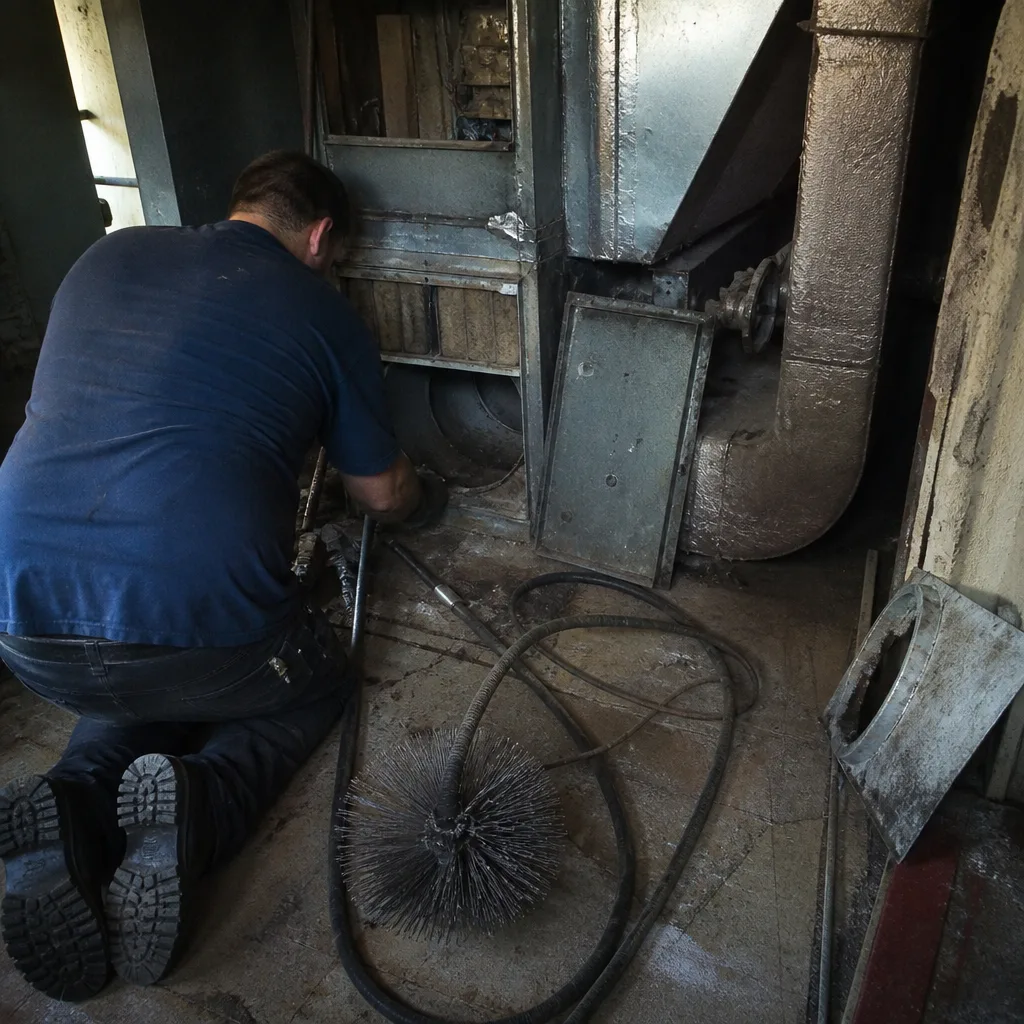 Before
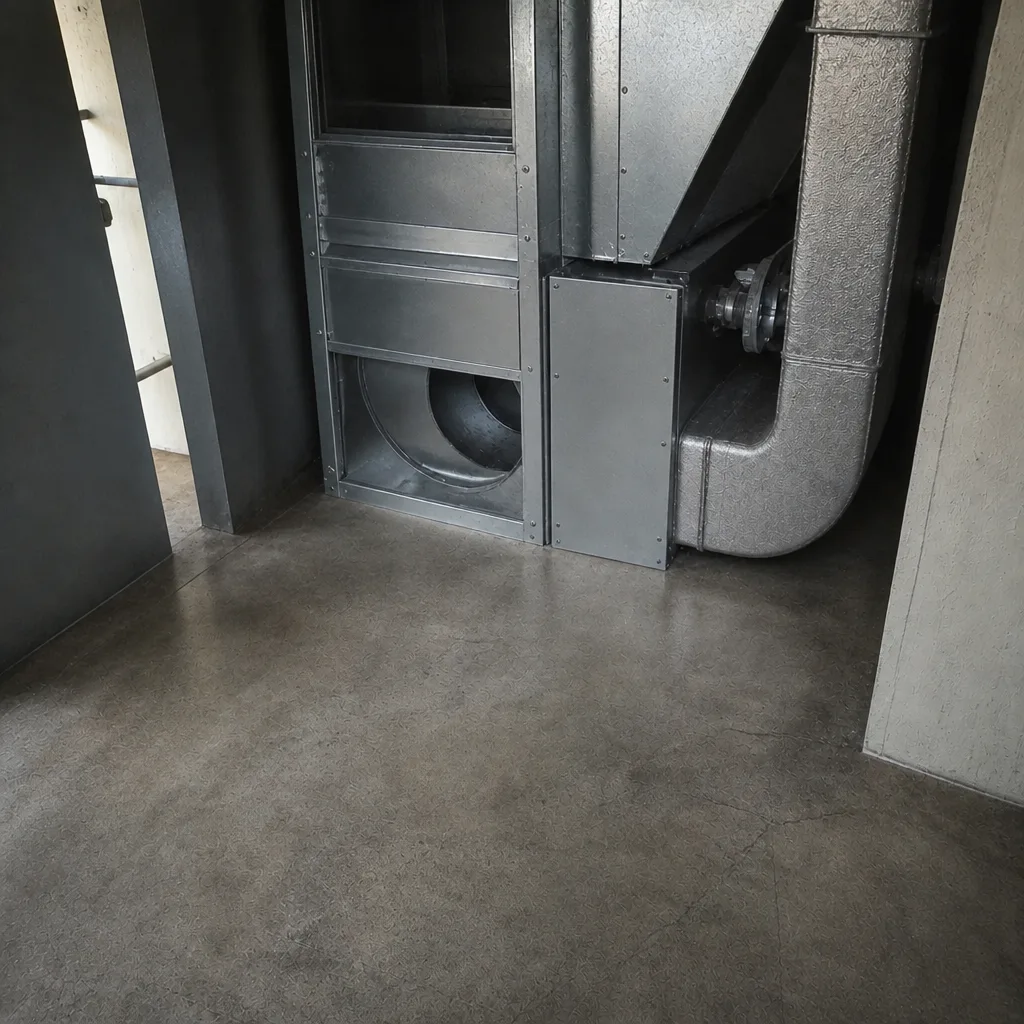 After
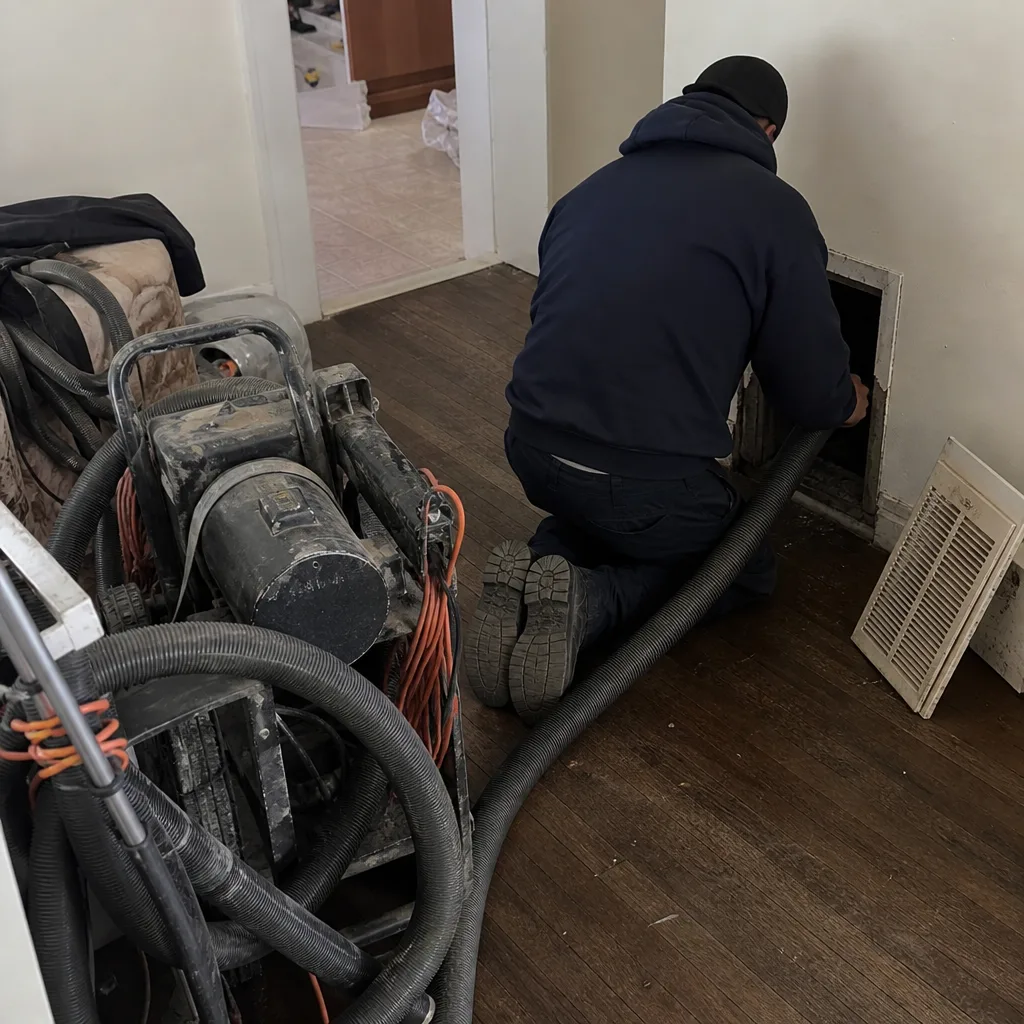 Before
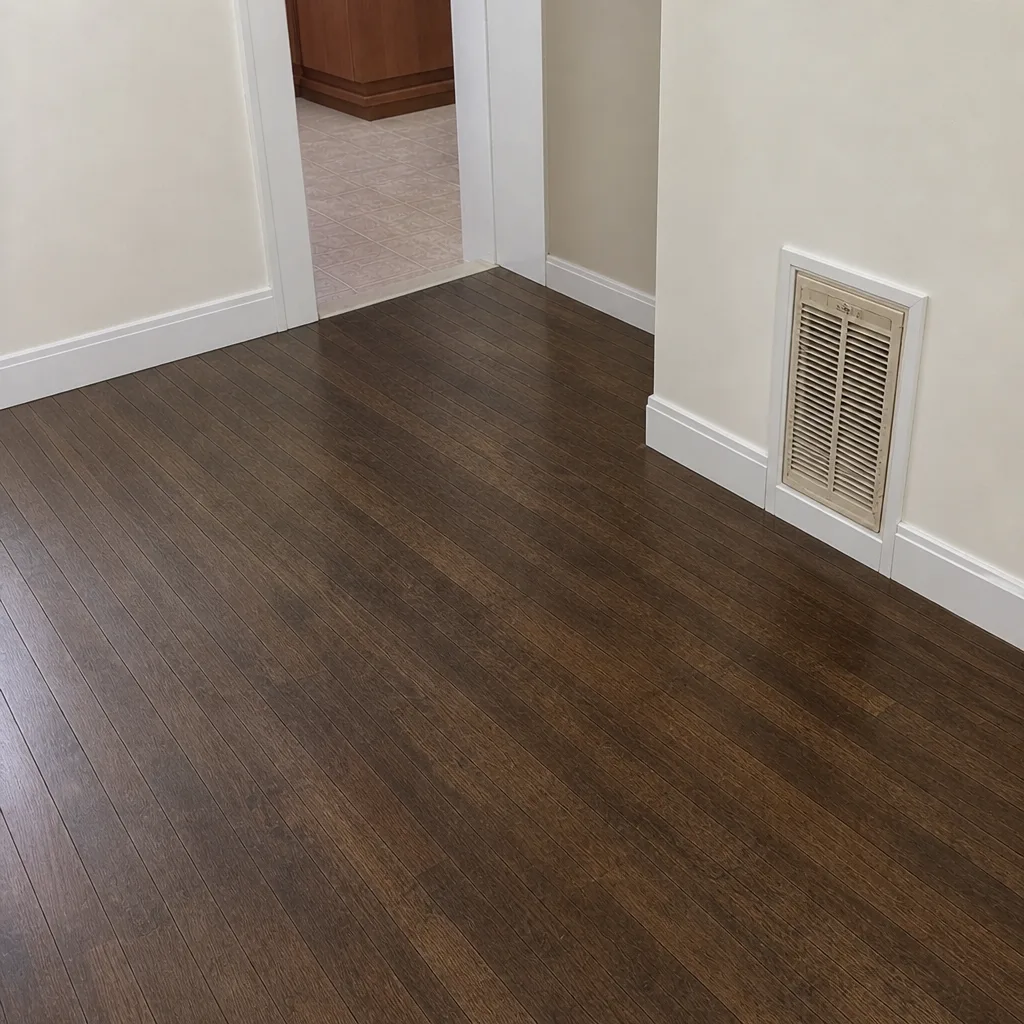 After
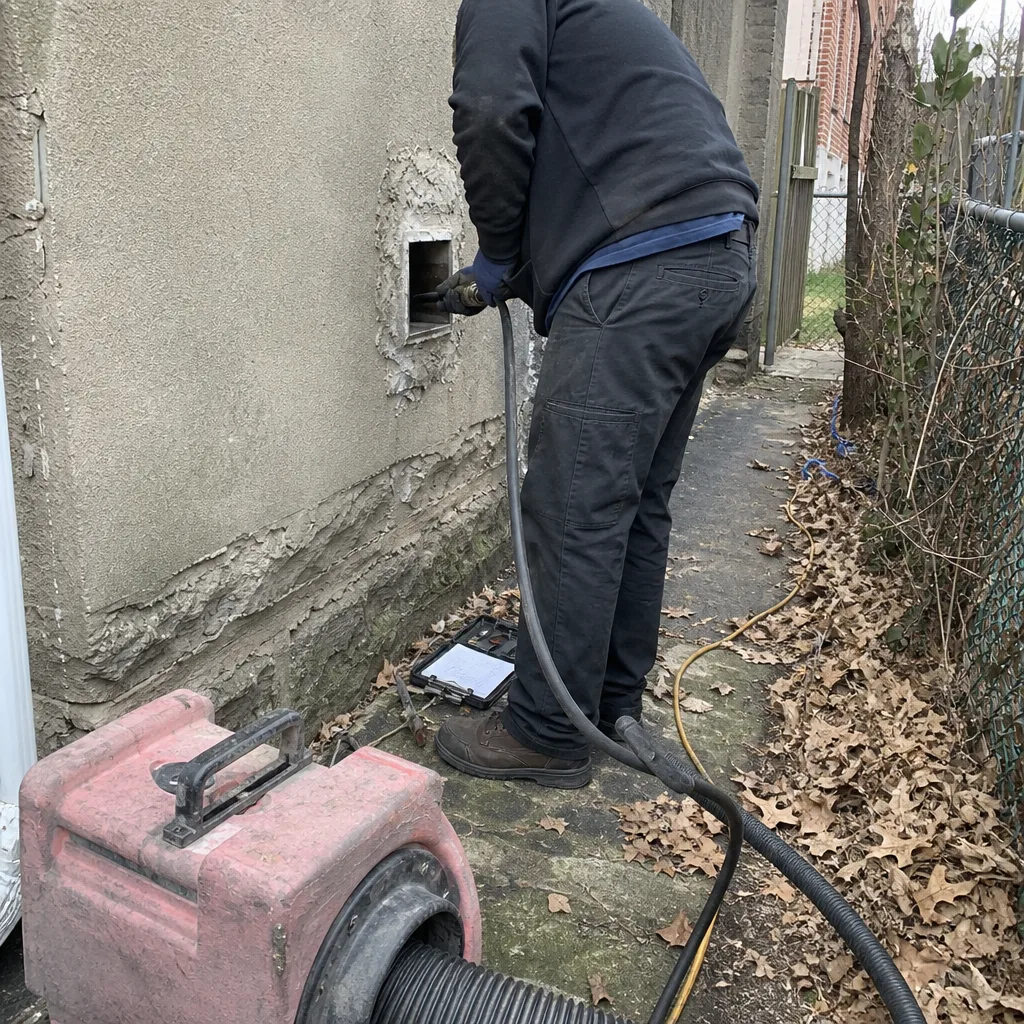 Before
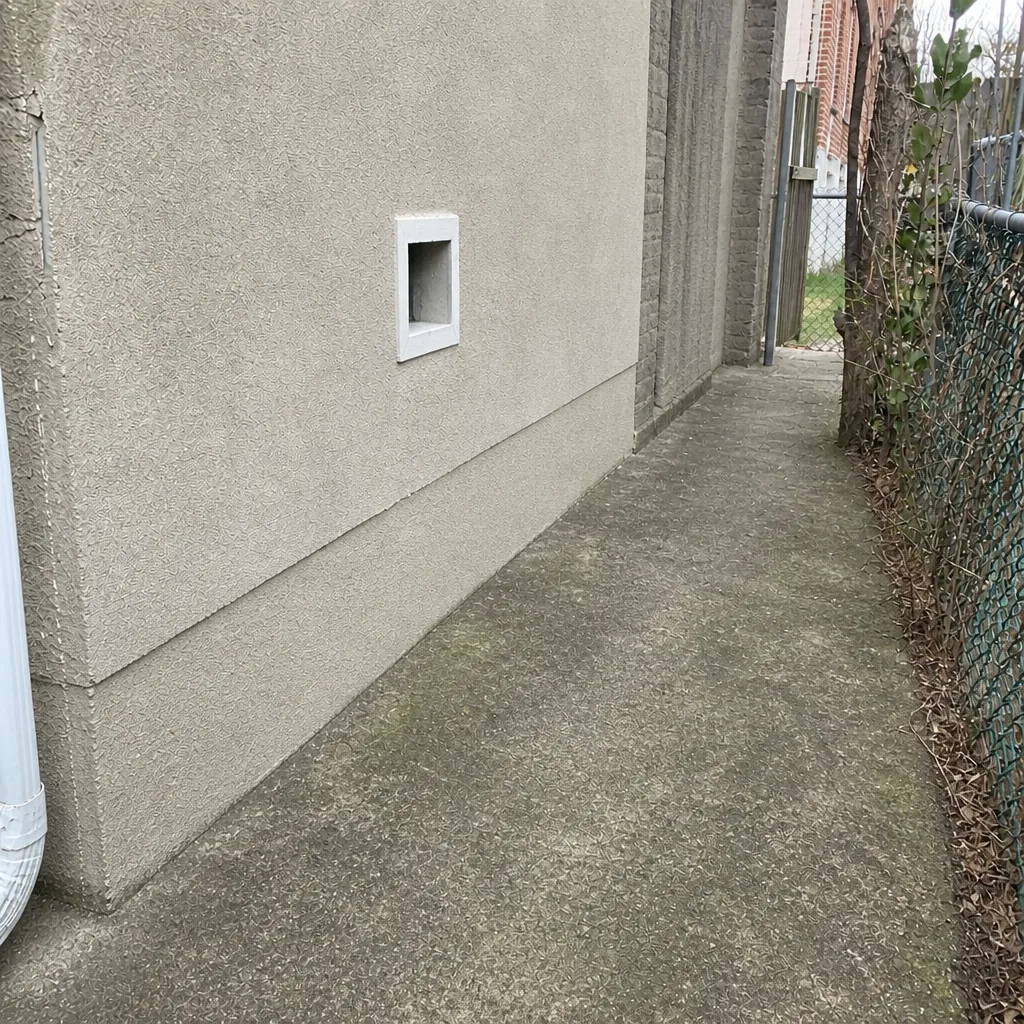 After
When to Call a Professional
Call a professional when you see two or more performance indicators together, when any health or safety indicator shows up, or when your self-inspection photo shows something beyond a light even dust film. Call sooner if you suspect moisture, a damaged liner, or a heat exchanger problem; those aren’t cleaning calls, and a professional will tell you where to route the job. For a general maintenance cycle, call when the pattern has shifted, not on a calendar.
Air Duct Cleaning Northeast Philadelphia offers free estimates in Northeast Philadelphia. We work with contractor-grade Rotobrush and Nikro systems, install Honeywell and Aprilaire air-quality products, and offer duct repair and sealing alongside dryer vent cleaning and full indoor-air services. Call (833) 508-9983. We answer 24/7. Fast dispatch from 7am to 7pm, Sunday through Friday.
Frequently Asked Questions
Most homes don’t need a fixed interval. An as-needed schedule driven by indicators works better than a calendar: two or more Tier 2 signals, any Tier 3 signal, a recent renovation, a home purchase, or a change in the system such as an oil-to-gas conversion. Homes with pets, a damp basement return, or a heavy renovation history tend to need it sooner. Call (833) 508-9983 for a free estimate – no pressure, and we’ll tell you if the work isn’t needed yet.
Not on its own. Dust on register slats is a surface indicator and is normal. What matters is how fast it returns and whether performance or safety signals accompany it. A slat that grays over in a week is telling you something a slat that grays over in three months isn’t. Call (833) 508-9983 if you want a professional read on it.
Yes, potentially. Oil-fired furnaces leave soot that can settle into duct lining and crevices, and a conversion that raises blower speed or changes the duct path can lift that soot into the air stream. That’s a case where inspection comes before cleaning, because the right first step may be to see what’s in the lining. Mention the conversion when you call so it can be built into the plan. Call (833) 508-9983 for a free estimate.
Ask for before-and-after photos of your own ducts. A crew running a camera through the system can show you interior surfaces before and after the work, and that’s the only meaningful proof. Ask for one flat price per system agreed in advance, not per-vent pricing, so the scope is fixed. Call (833) 508-9983 for an exact quote – estimates are free.
Cleaning removes accumulated debris from a duct system that is otherwise intact. Repair addresses a duct system that is not intact: a failed joint, a damaged flex duct liner, moisture intrusion at a seam, or an undersized return. Cleaning a damaged system can make it worse or leave the underlying problem unaddressed. In Northeast Philadelphia rowhouses, retrofit-era flex duct in attics and crawlspaces is the most common repair-side finding. Call (833) 508-9983 and describe what you’re seeing – we’ll tell you which category it falls in.
The low number on a door-hanger is usually a starting figure, not a final one, and it often covers a surface vacuuming that doesn’t touch the interior of the runs. Ask for one flat price per system agreed in writing before work starts and before-and-after photos afterward. If a quote won’t hold still until the technician is in your basement, that’s your answer. Call (833) 508-9983 for an honest estimate.
The Bottom Line
Read your signs by tier. Cosmetic dust on registers is a maintenance note, not an alarm. Performance indicators (uneven temperatures, faster filter loading, weak distant airflow) are the signs that a system needs attention, and they’re worth acting on. Health and safety indicators (visible mold, pest evidence, active moisture, damaged liner, suspected heat exchanger trouble) are inspection emergencies, and a heat exchanger is a stop-the-system call. In Northeast Philadelphia, an oil-to-gas conversion history deserves a specific mention when you call, because it changes what inspection should look for. Photograph what you see, compare it, and call when the pattern shifts.
Air Duct Cleaning Northeast Philadelphia handles air duct cleaning, dryer vent cleaning, HVAC cleaning, duct repair and sealing, and air quality and sanitizing. We use Rotobrush and Nikro systems, work with Abatement Technologies and Guardsman products where they’re the right fit, and install Honeywell and Aprilaire filtration. Our technicians have up to 14 years of experience. One flat price per system, agreed before work starts, and before-and-after photos of your own ducts.
Call (833) 508-9983 for a free estimate. We answer 24/7. Fast dispatch from 7am to 7pm, Sunday through Friday.
Written by the team at Air Duct Cleaning Northeast Philadelphia.