
Last updated November 22, 2026
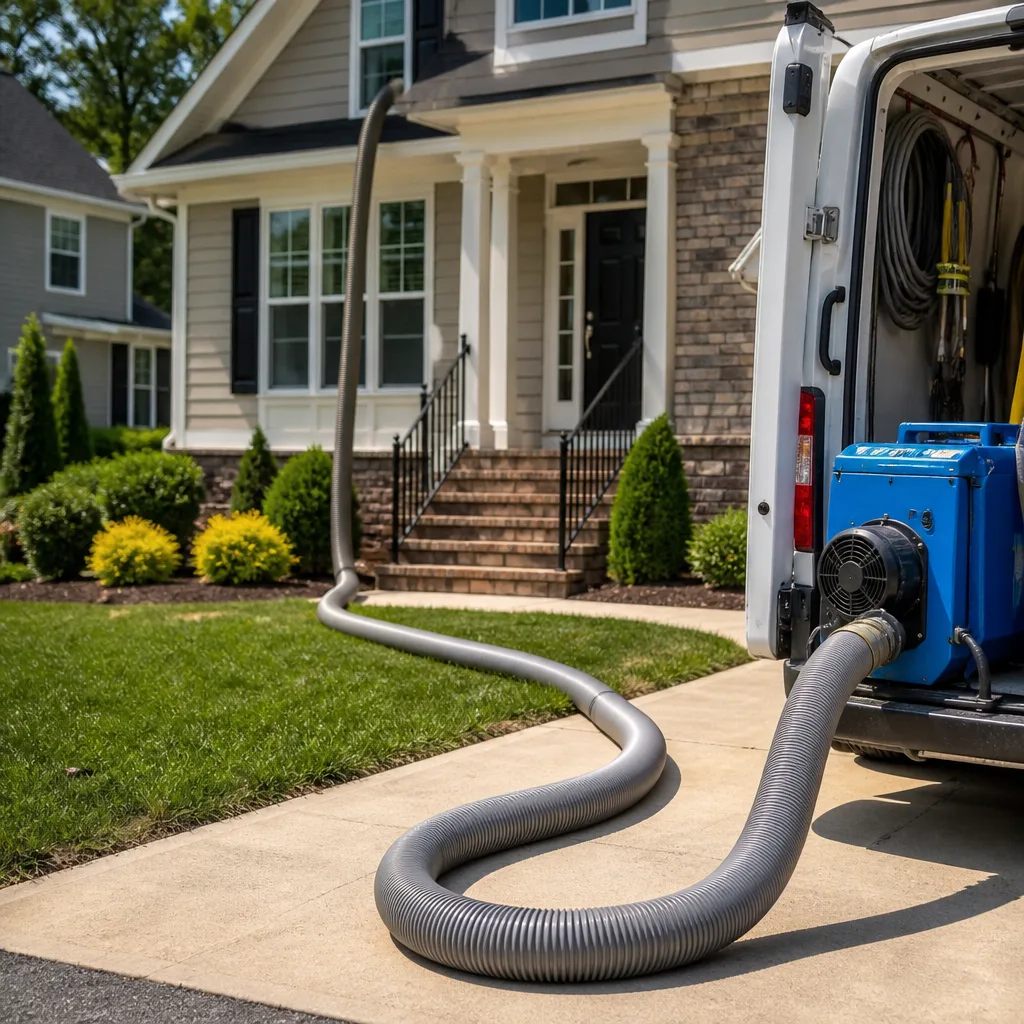 Whole-home duct cleaning
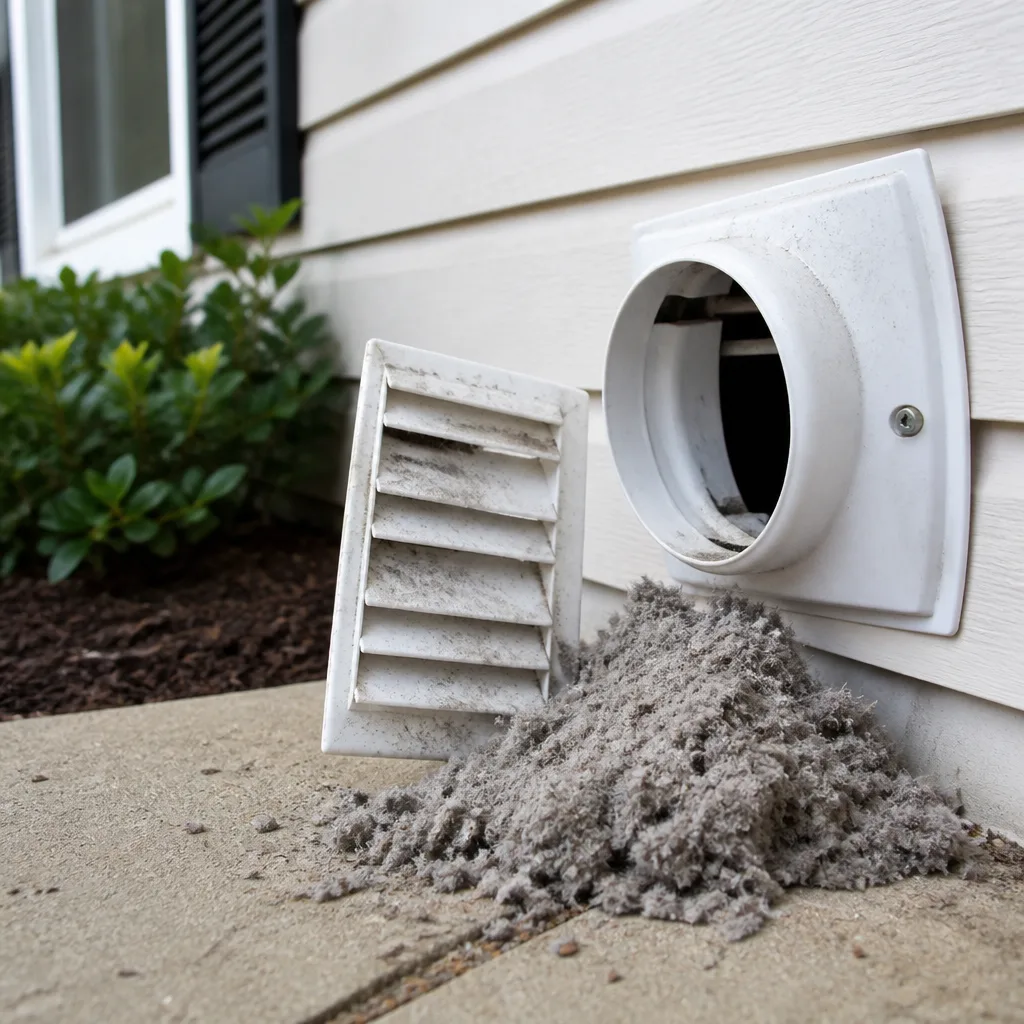 Dryer vent cleaning
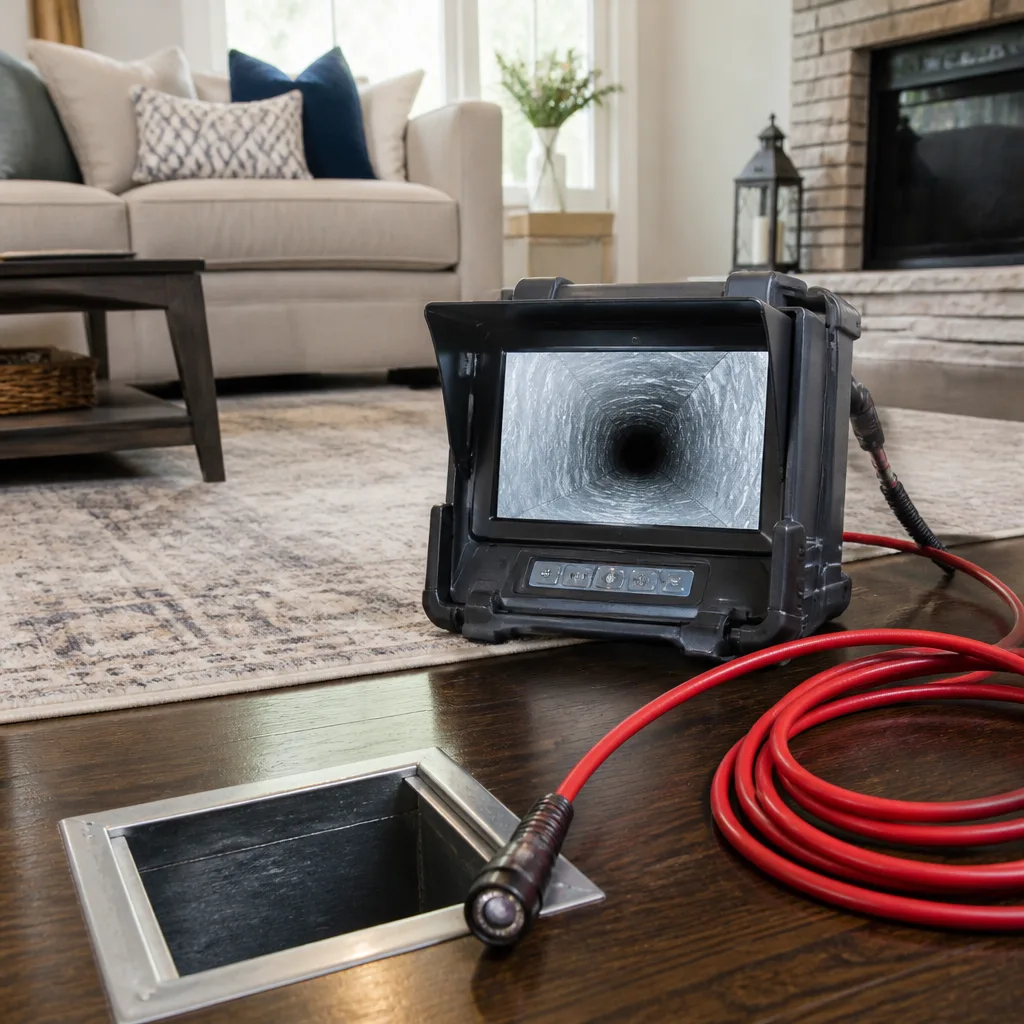 Camera inspection
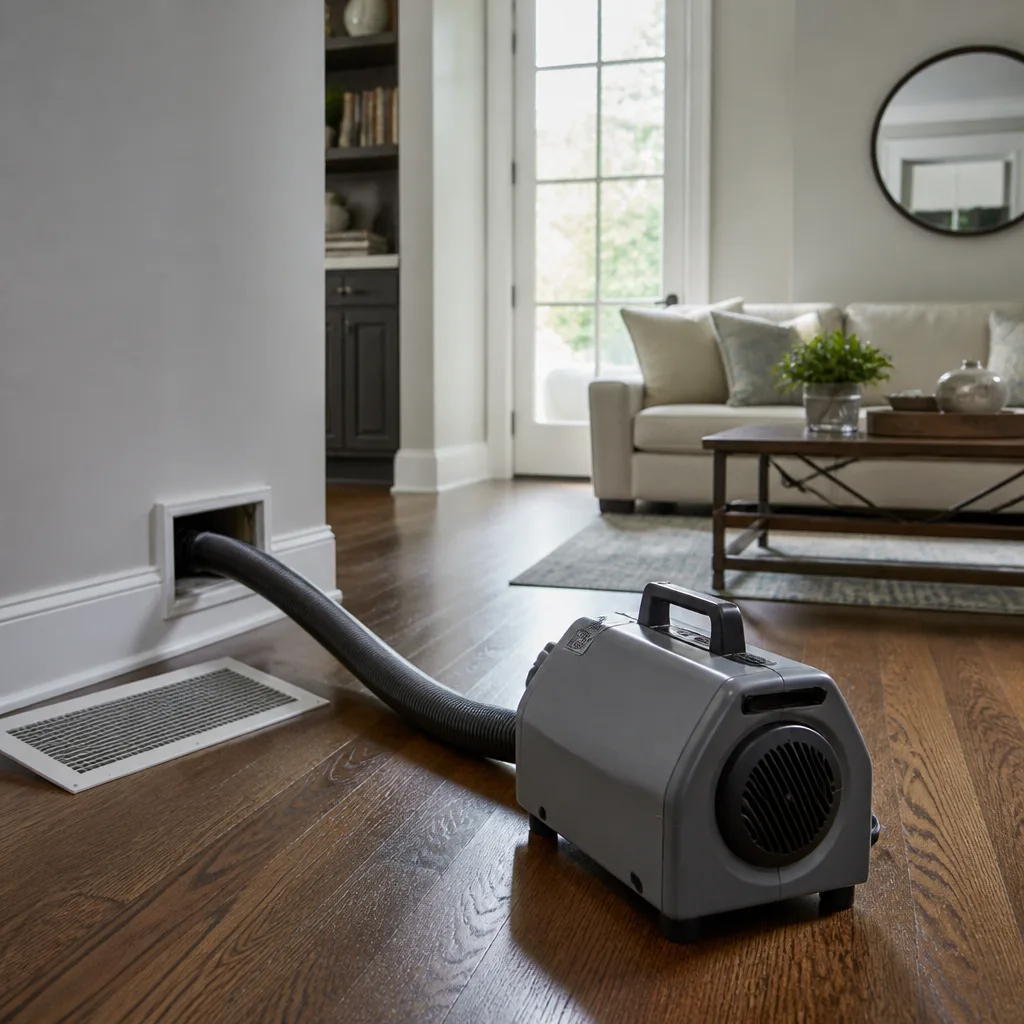 Sanitizing & deodorizing
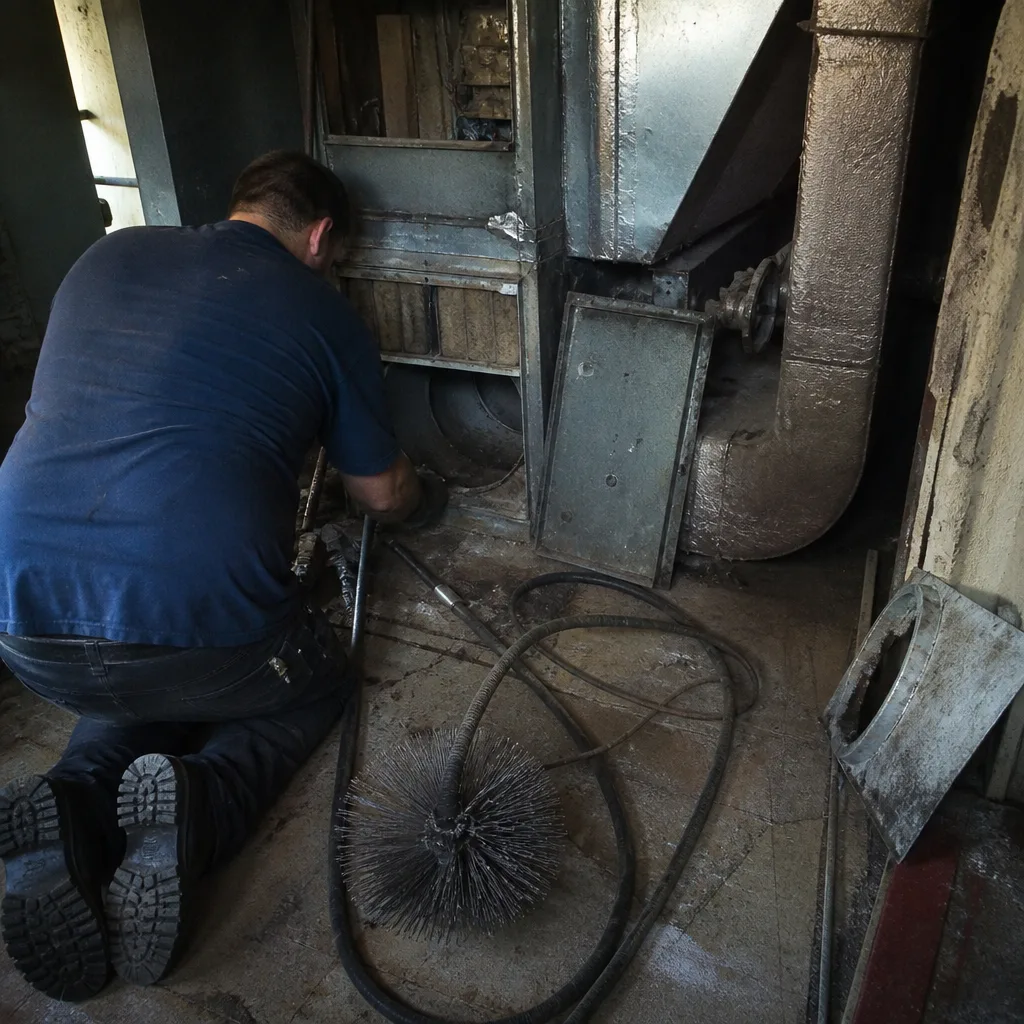
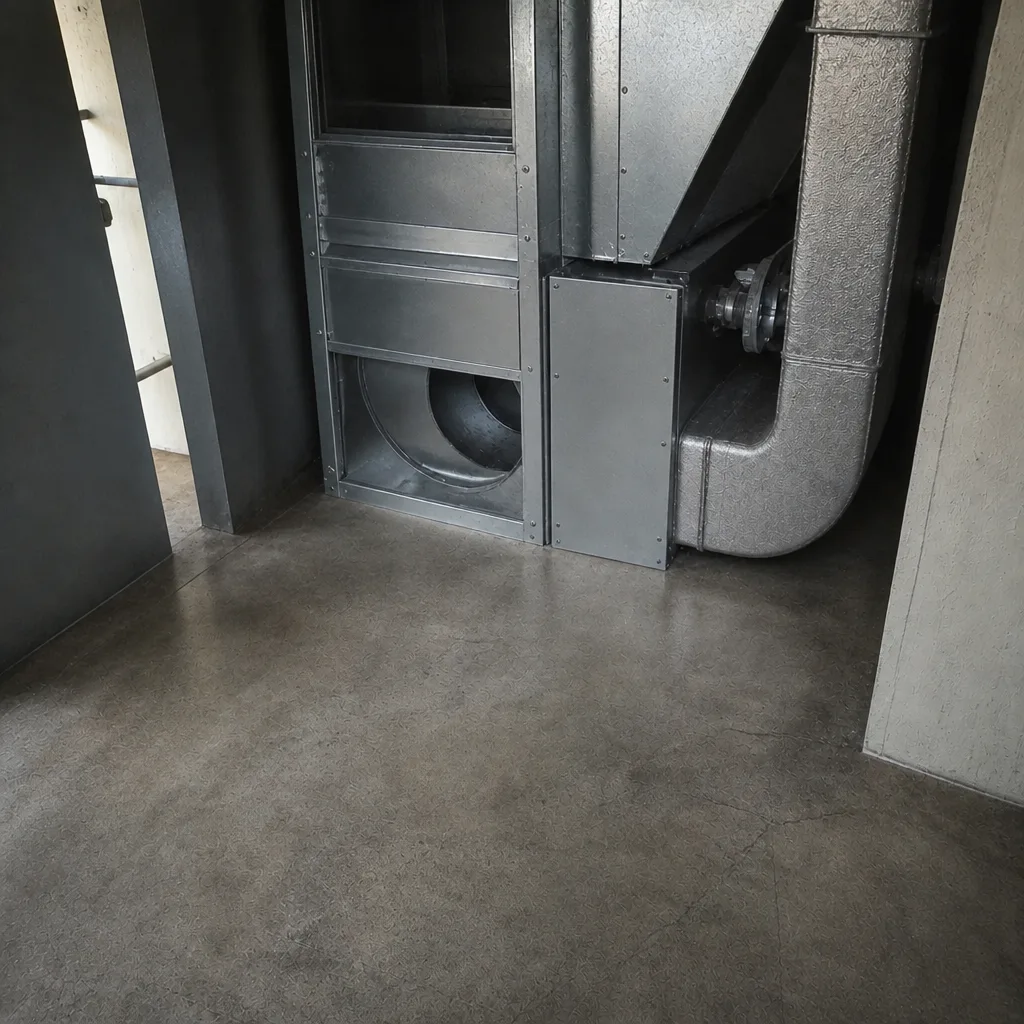
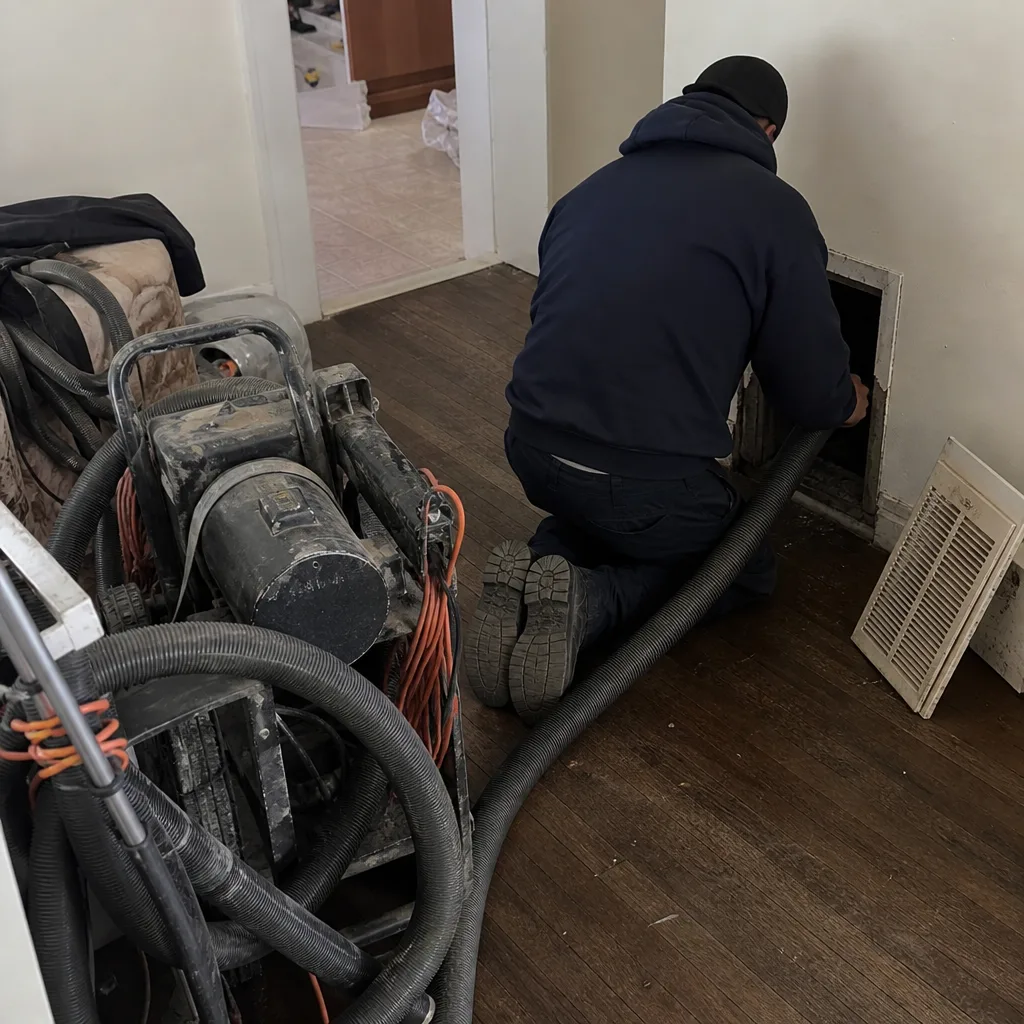
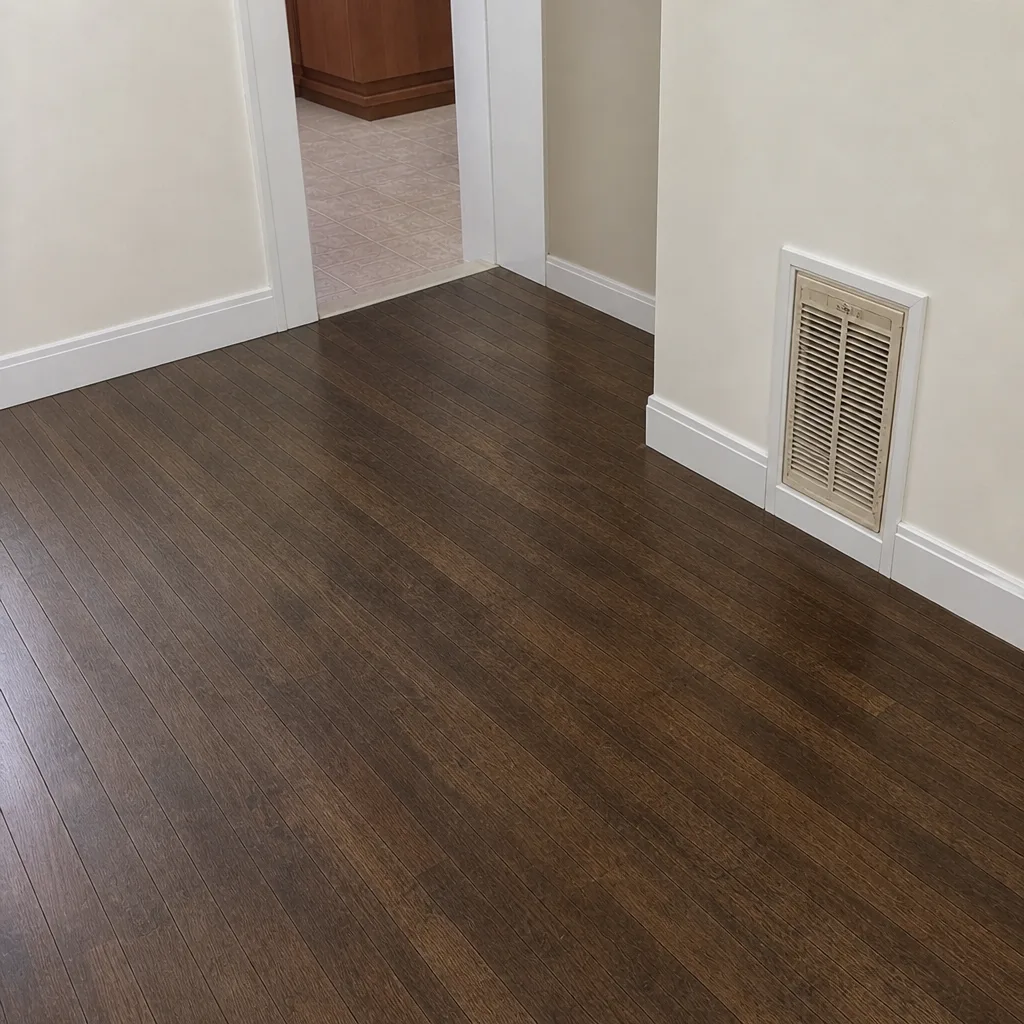
Whole-system duct and dryer vent check with before-and-after photos - you see exactly what came out of your vents
That "$99 whole-house special" is a bait ad - the real number appears once they are in your hallway, or the "clean" is a shop-vac at the register. We photograph the inside of your ducts before and after instead.
Choosing the Right Air Duct Cleaning Brand: A Buyer’s Guide for Northeast Philadelphia
Most people shop for air duct cleaning the way they shop for a haircut: whoever answers the phone and quotes a number wins. That’s the wrong test. The equipment and product brands a contractor brings into your home decide more about the job you get than any review, coupon, or promise on a website. A rotary brush system or a negative-air machine is not a marketing detail; it’s the difference between agitation that reaches the duct walls and a vacuum nozzle that mostly pulls loose surface dust. This guide shows Northeast Philadelphia homeowners how to read the capabilities behind a contractor’s brand, from the collection unit to the antimicrobial label, so you can choose with your eyes open.
Quick Answer
The right air duct cleaning brand in Northeast Philadelphia is the one that can name its equipment and products, not just its service menu. Look for contractor-grade tooling (Rotobrush or Nikro collection systems, Abatement Technologies negative-air machines), EPA-registered antimicrobials with a registration number you can verify, and a current NADCA membership. If a contractor can’t tell you what machine will be in your basement and what product they’ll apply to your ducts, that gap is your answer.
Styles & brands we work with
- Whole-home duct cleaning
- Dryer vent cleaning
- Camera inspection
- Sanitizing & deodorizing
Table of Contents
- Why Equipment Brands Matter More Than Reviews
- Rotobrush, Nikro, and Abatement Technologies: What Each Does
- Reading the Label on Antimicrobials and Sealants
- What NADCA Membership Actually Requires
- Testing the “Full-System Specialist” Claim
- Replacement Parts and Product Depth
- How Northeast Philadelphia Housing Shapes the Job
- Questions to Ask Before You Book
Why Equipment Brands Matter More Than Reviews
Reviews tell you how a company behaved on a job. They don’t tell you what tool was in the truck or how strong the vacuum was. That’s the gap this guide is built to close. When a contractor pulls up, the collection unit and agitation tool tell you more about the cleaning outcome than any star rating.
A true negative-air setup uses a powerful vacuum that seals to the duct system and pulls a large volume of air while agitating the interior. The agitation is what actually loosens debris clinging to duct walls; the vacuum is what carries it away. Skip one half and the job is half-done, no matter how long the technician stays. Consumer-grade shop vacs, however cleverly adapted, don’t move the air volume or sustain the suction a contractor unit does, and they rarely have the HEPA filtration that keeps what’s released from drifting back into your living space.
In our experience running duct work across Northeast Philadelphia, the equipment question is also the honest-quote question. A company that has invested in Rotobrush rotary brush systems and Nikro collection units isn’t usually the one mailing $99 coupons, because that equipment can’t pay for itself at coupon prices. That’s a clue about the business model you’re choosing, not just the tool. A fair estimate reflects real equipment and real time, and it’s set per job in writing before work starts.
If you want to see what full-system service looks like in practice, our air duct cleaning Northeast Philadelphia page walks through the actual process from intake to final check. What matters here is simpler: ask what machine will be in your home and what it does. Any contractor who can’t answer that has told you something important.
Rotobrush, Nikro, and Abatement Technologies: What Each Does
Equipment names are the fastest filter you have. They’re searchable, they’re specific, and they don’t lie. Here’s what the major names actually do in a Northeast Philadelphia home.
Rotobrush
Rotobrush is best known for its rotary brush systems (the BrushBeast family) and the aiRE systems for source removal. A rotary brush feeds a spinning, flexible whip through the duct run to scrub the walls rather than just vacuum the open channel. That matters on older homes where duct interiors have years of caked dust that a straight vacuum won’t lift. The brush work is the agitation half of the equation.
Nikro Industries
Nikro Industries makes the vacuum collection side: high-volume units with HEPA filtration that seal to the duct system and hold strong suction during agitation. Commercial HVAC contractors use Nikro equipment because it’s built for sustained work. When you hear “Nikro,” you’re hearing a company that has invested in collection capacity, not just cleaning attachments.
Abatement Technologies
Abatement Technologies builds HEPA-rated negative-air machines used in remediation-level scenarios where contamination control is the priority. If your home has just come through a renovation, a basement water event, or a period of heavy dust, an operator with Abatement equipment can keep dust and debris from escaping into the living space during the job. It signals capability beyond basic duct vacuuming.
Why the names matter, in one list
- They’re verifiable. You can search each brand and see what it does.
- They’re specific. “Rotary brush” tells you agitation is happening; “vacuum” alone does not.
- They signal investment. Contractor-grade equipment isn’t cheap, and that shapes the business model.
- They predict the outcome. Better agitation plus better collection equals a cleaner duct.
A company using contractor-grade equipment is doing the same job the commercial side of the industry does. If you want the technical details behind the process, our air duct cleaning page covers it. Northeast Philadelphia homeowners who ask “what equipment?” get a clean, short answer from a real specialist and a vague one from a coupon shop.
Reading the Label on Antimicrobials and Sealants
“Antimicrobial treatment” is one of the most abused phrases in this trade. It can mean an EPA-registered product applied to labeled surfaces, or it can mean a generic spray with no registration and no stated claim. Those are not the same thing, and the difference is entirely in the documentation the contractor can produce.
Here’s how to tell them apart before you authorize anything:
- Ask for the product name. “Sporicidin,” “Benefect,” “Fiberlock ShieldAll,” “Guardsman” – a named product is a starting point. “Our own formula” is not.
- Ask for the EPA registration number. Registered antimicrobial products carry one. If the contractor can’t recite or produce it, that’s a generic spray.
- Confirm the application surface. Antimicrobials are registered for specific surfaces. A product registered for hard, non-porous surfaces isn’t automatically cleared for flex duct interior.
- Confirm ventilation and drying. A wet application needs airflow and time; ask how the system will be dried before it’s put back in service.
- Ask about the sealant, if sealing is on the table. Duct sealants (like mastic-based products) should carry a stated use and be safe for the duct material they’re applied to.
Fiberlock ShieldAll is an example of a registered antimicrobial coating used in HVAC and building contexts. Sporicidin is a registered disinfectant. Guardsman products are used in sanitizing and surface-treatment work. None of these should be sprayed into a duct without the contractor being able to name the product and show you its registration. If you’ve heard a pitch that skips straight to “we’ll disinfect the whole system,” slow it down and ask for the label. That’s the test that separates a real air-quality specialist from a cleaning-only operation. If you want to see how sanitizing fits into a full job, our HVAC cleaning page shows where it belongs in the sequence.
What NADCA Membership Actually Requires
NADCA (the National Air Duct Cleaners Association) sets a written standard for how duct cleaning should be done. Membership is a signal, but only when it’s current. Plenty of websites post a logo from an old membership or a related trade affiliation; a lapsed logo is common and easy to miss.
What membership actually requires of a member company, at a general level:
- Adherence to NADCA’s assessment, cleaning, and restoration standard for HVAC systems.
- Personnel trained in proper cleaning practice and safety.
- Use of source-removal methods (agitation plus collection), not just a pass with a vacuum.
- Verification that the system is clean before it’s put back together.
How to verify current status before you book:
- Look up the company directly in NADCA’s member directory rather than trusting a logo on a website.
- Ask the company to confirm its membership status in writing.
- Ask which standard version they follow for the assessment and cleaning phases.
- Ask how they verify a system is clean before closing it up. “We look inside” isn’t a standard; a documented check is.
In Northeast Philadelphia, where a lot of housing stock predates modern duct design, this standard matters. Rows of homes with short, tight duct runs and little access make agitation and verification harder than in a newer build with open chases. A contractor who has done this work in the neighborhood will know what to expect. Membership is a floor, not a ceiling. Our team at Air Duct Cleaning Northeast Philadelphia connects you with independent local pros who can confirm status and standard on request, so you’re not sorting it out alone.
Testing the “Full-System Specialist” Claim
Almost every air duct cleaning site brands itself a specialist. Very few can describe what “full-system” means in mechanical terms. That’s your test. A real indoor-air specialist can walk through the parts of the system and the specific tool used for each.
Here’s what a credible full-system answer sounds like, in list form:
- Duct agitation: named rotary brush or whip system (Rotobrush or equivalent).
- Collection: named negative-air or high-volume HEPA vacuum (Nikro or equivalent).
- Blower and air handler cleaning: a process for cleaning the blower wheel, housing, and drain pan without damaging the motor.
- Coil treatment: a method for cleaning the evaporator coil and a plan for the condensate drain.
- Registers and grilles: removal, cleaning, and reinstallation, not just a vacuum pass in place.
- Sealing: duct sealant applied to accessible joints and leaks, and a repair plan for disconnected sections.
- Sanitizing: a registered product named, with the registration number, applied after cleaning and drying.
Notice what’s missing from that list: adjectives. “Thorough,” “complete,” and “deep” don’t mean anything until you get to a machine name and a product label. When you’re comparing services in Northeast Philadelphia, ask the contractor to walk down that list. Full-system is not just convenience; it’s coverage. If a piece of your system isn’t in the scope and isn’t in the price, it isn’t getting cleaned. If you’re also thinking about your dryer vent – and you should, since lint buildup is a fire risk that gets worse over time – our dryer vent cleaning page covers that separate service line.
Replacement Parts and Product Depth
A cleaning-only operation shows up, cleans, and leaves. A specialist has choices on the way out: a filter for your return, a UV lamp brand they install, a duct sealant they carry, an air purifier mounted to your system. Those choices are also a diagnostic of depth.
Here’s what product depth looks like in practice:
- Filters: a stock of standard sizes and a couple of MERV ranges so the replacement actually fits the return.
- UV lamps: a specific brand they install, with a stated lamp life and a plan for replacement.
- Air purifiers: Honeywell and Aprilaire air-quality products are common examples, and a specialist can explain which fits your system and why.
- Duct sealant: a specific product, applied to accessible joints, with a cure time.
- Sanitizing products: named, registered, and applied per label.
Honeywell and Aprilaire aren’t the only brands in this space, but they’re common names a specialist should know. If a contractor can’t tell you which air purifier brand they install or which filter sizes they stock, they probably don’t stock them. That’s fine if all you want is a cleaning. If you want a longer air-filtration fix, you want someone who can install the product, not just name it. Our broader service pages show how this fits with duct repair and sealing, HVAC cleaning, and air sanitizing as a full chain of indoor-air work.
How Northeast Philadelphia Housing Shapes the Job
Northeast Philadelphia isn’t one kind of housing. Walk through Mayfair, Holmesburg, Bustleton, or Somerton and the housing stock changes as you go: mid-century brick rows, single-family post-war blocks, and newer construction on the edges. Each of those housing types puts different demands on a duct cleaning job, and a contractor who knows the area will know why.
The practical differences:
- Older row homes (common in Mayfair and Holmesburg) tend to have short duct runs with limited access – a rotary brush does more of the work here because the runs are tight.
- Post-war single-family homes (Bustleton, Somerton) often have longer, more accessible duct runs where a high-volume collection unit can be sealed to the system effectively.
- Newer builds may have flex duct or rigid sections with fewer access panels, which changes how agitation tools can reach the interior.
- Finished basements are common in Northeast Philadelphia and often box in the air handler, which affects blower and coil cleaning access.
Humidity in summer and dry indoor heat in winter also matter. The duct system is dealing with seasonal swings that push dust onto surfaces and condensation into drain pans, which is one reason we recommend a full-system check rather than a duct-only cleaning. If you want to know what a typical Northeast Philadelphia job looks like, our main service page covers it in detail. The point here is that a quote should reflect the housing you’re in, not a flat coupon number that assumes a house somewhere else. Northeast Philadelphia is specific, and a brand that treats it as generic will serve you that way.
Questions to Ask Before You Book
Before you sign an estimate, walk through this list with the contractor. A specialist will answer every item in a few minutes. A cleaning-only shop will stall on at least a few. None of these questions are traps; they’re the same questions a commercial HVAC facility manager would ask.
- What vacuum and agitation equipment will be on site? Get a brand name. Rotobrush or Nikro are the common answers on the collection and agitation side.
- Do you use a negative-air machine? Ask whether it’s HEPA-rated (Abatement Technologies is an example of that class of equipment).
- Which antimicrobial product do you use, and what is its EPA registration number? If there’s no number, there’s no registered product.
- Are you a current NADCA member? Ask them to confirm in writing, then check the directory.
- How do you clean the blower and the coil? You want a process, not an assurance.
- How do you verify the system is clean before closing? Documentation is better than description.
- What does the estimate cover, and what’s the final price? One flat price per system, agreed before work starts, is the honest answer. Per-vent pricing tells you the contractor wants to keep adding on.
- Can you share before-and-after photos of the ducts? A specialist is happy to; a coupon shop will be vague.
If you want a sense of what fair, whole-system numbers look like before you make the call, ask for the range in writing so you can compare apples to apples. The written estimate is the final price. Our team can walk through our own estimates in the same format if you call (833) 508-9983.
Common Mistakes to Avoid
- Booking on the lowest advertised price. Coupon shops price low to get in the door, then recommend add-ons once the truck is in the driveway. Ask for the whole-system price up front and get it in writing.
- Accepting “antimicrobial” without a product name. Generic sprays don’t carry registered claims. If the contractor can’t tell you the product and the EPA registration number, it’s a spray, not a treatment.
- Assuming the logo means current membership. A NADCA logo on a website can be years out of date. Check the directory directly.
- Skipping the blower and coil. A duct-only cleaning leaves the dirtiest parts of the system untouched. Ask how blower and coil are handled.
- Confusing “we clean ducts” with “we repair and seal them.” A disconnected or leaking duct run undoes a cleaning within months. Sealing is part of the fix, not an upgrade.
- Not asking how the job is verified. “We look at it” isn’t a standard. Ask what the after-cleaning check includes and whether you’ll see photos.
- Believing the “specialist” claim without a capability check. A real specialist can name the equipment brand, the antimicrobial, the filter brand, and the standard they follow. That’s the whole test, and it takes five minutes.
See the difference
 Before
 After
 Before
 After
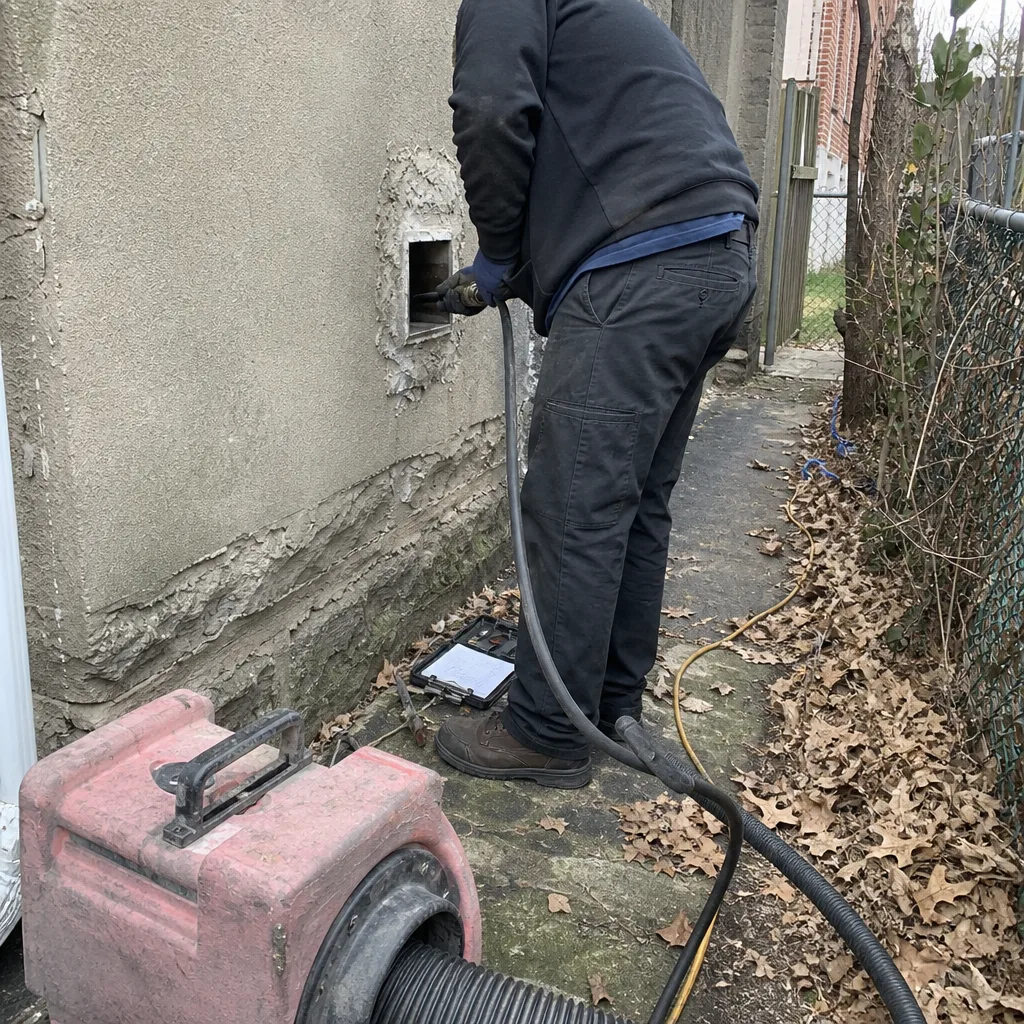 Before
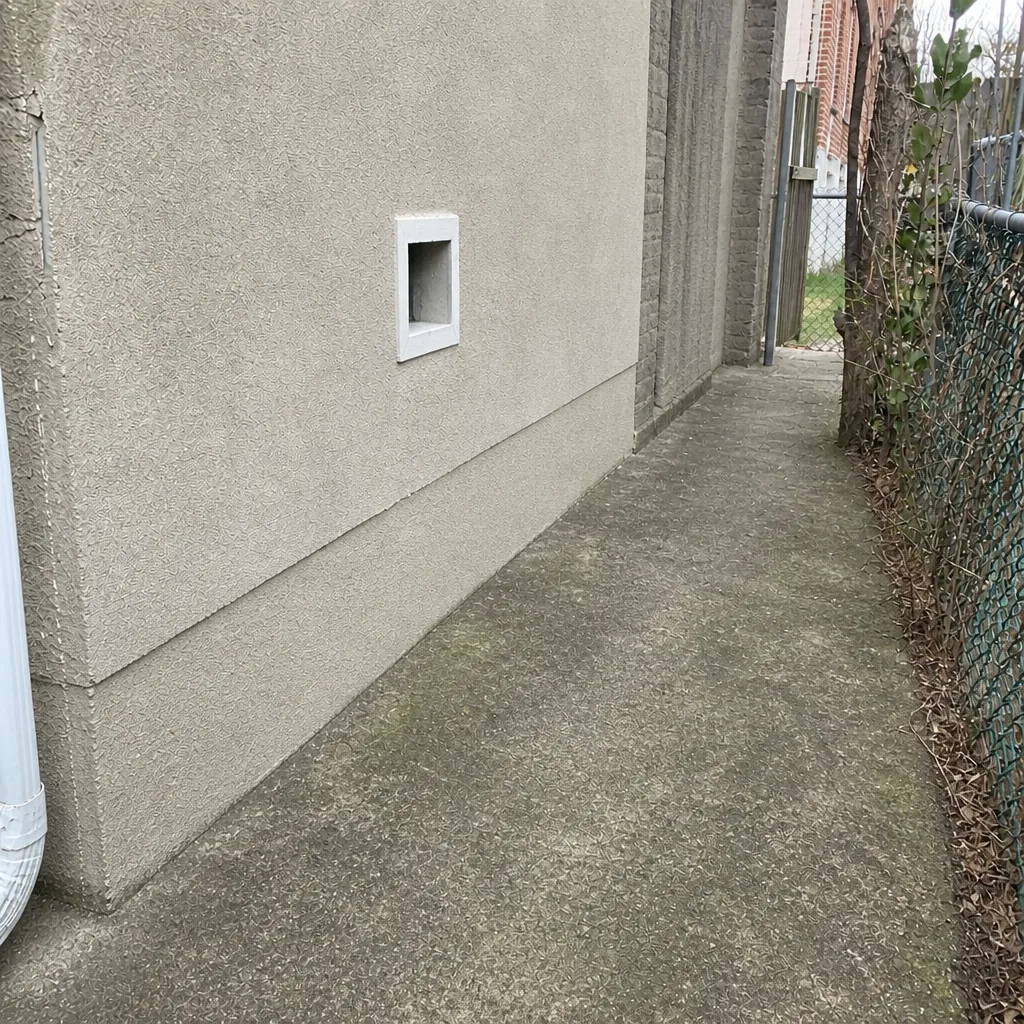 After
When to Call a Professional
Some situations call for a scheduled duct cleaning and some call for a same-day check. Call a professional if you’ve just finished a renovation and the returns are pulling sawdust through the system, if you’ve had a water event near the air handler that left the coil or pan wet, if your home is older and the ducts have never been cleaned, if you’ve recently moved in and you don’t know the last owner’s maintenance habits, or if the system is short-cycling and the blower or coil is suspect. For lint buildup in the dryer vent, a separate call is worth making – it’s a fire risk that doesn’t improve on its own. Air Duct Cleaning Northeast Philadelphia offers free estimates in Northeast Philadelphia – call (833) 508-9983. We answer 24/7. Fast dispatch from 7am to 7pm, Sunday through Friday. Our team connects you with independent local pros who are licensed and insured as their state requires.
Frequently Asked Questions
Typical whole-system pricing in Northeast Philadelphia depends on the size of the home, the number of duct runs, and whether blower and coil cleaning is included. Quotes for a duct-only cleaning and a full-system cleaning are genuinely different jobs and shouldn’t be compared side by side. Ask for a written, whole-system price, and confirm exactly what’s included. Call (833) 508-9983 for a free estimate – the range depends on your home, and the written estimate sets the final price.
Low quotes usually reflect a narrower scope, not a better deal. A coupon price typically covers a surface vacuum pass, not agitation with a rotary brush, not a full collection unit, and not blower or coil cleaning. When you compare a $99 coupon against a full-system quote, you’re comparing a vacuum pass against a full job. Ask what equipment shows up and what the price includes, then compare. Call (833) 508-9983 for a whole-system estimate.
Ask for before-and-after photos of your own ducts, and ask how the contractor verifies the system before closing it up. A real specialist takes photos as part of the job and can walk you through what was cleaned and what was left. If the technician can’t produce a photo, ask why. That’s a fair question and any operator should answer it. Call (833) 508-9983 if you want to see how our estimates are set up around that verification step.
Most homes in Northeast Philadelphia don’t need annual duct cleaning. A common rhythm is every few years, and it depends on pets, smoking, recent renovation, water events, and how much dust the family is seeing on registers. The honest answer is that frequency follows the conditions in the home, not a fixed calendar. Call (833) 508-9983 to talk through your home and get a straight recommendation.
We work with independent local pros who use contractor-grade equipment – Rotobrush, Nikro, and Abatement Technologies are common in that work – and who carry name-brand air-quality products like Honeywell and Aprilaire. We also cover duct repair and sealing and air sanitizing as part of the same service line, so one call can cover your ducts, vents, and HVAC system. Call (833) 508-9983 to talk through your system.
We serve homeowners and property managers across Northeast Philadelphia, including Mayfair, Holmesburg, Bustleton, and Somerton, among other nearby neighborhoods. The housing stock varies by block, and so does the scope of the right job – a row home in Mayfair and a newer build in Somerton don’t need the same work. Call (833) 508-9983 to talk through your home and get a free estimate.
The Bottom Line
Choosing the right air duct cleaning brand in Northeast Philadelphia comes down to verifiable capability, not marketing. A contractor who can name the equipment (Rotobrush, Nikro, Abatement Technologies), name the antimicrobial and its EPA registration, confirm current NADCA membership, and walk you through every part of the system from blower to register is giving you an honest answer. One flat price per system, agreed before work starts, plus before-and-after photos, tells you the job was real. Everything else – the coupons, the adjectives, the logo from a membership that lapsed years ago – is noise. Ask the eight questions, take the five-minute capability check, and the right brand will be obvious.
Written by the team at Air Duct Cleaning Northeast Philadelphia.