
Last updated November 22, 2026
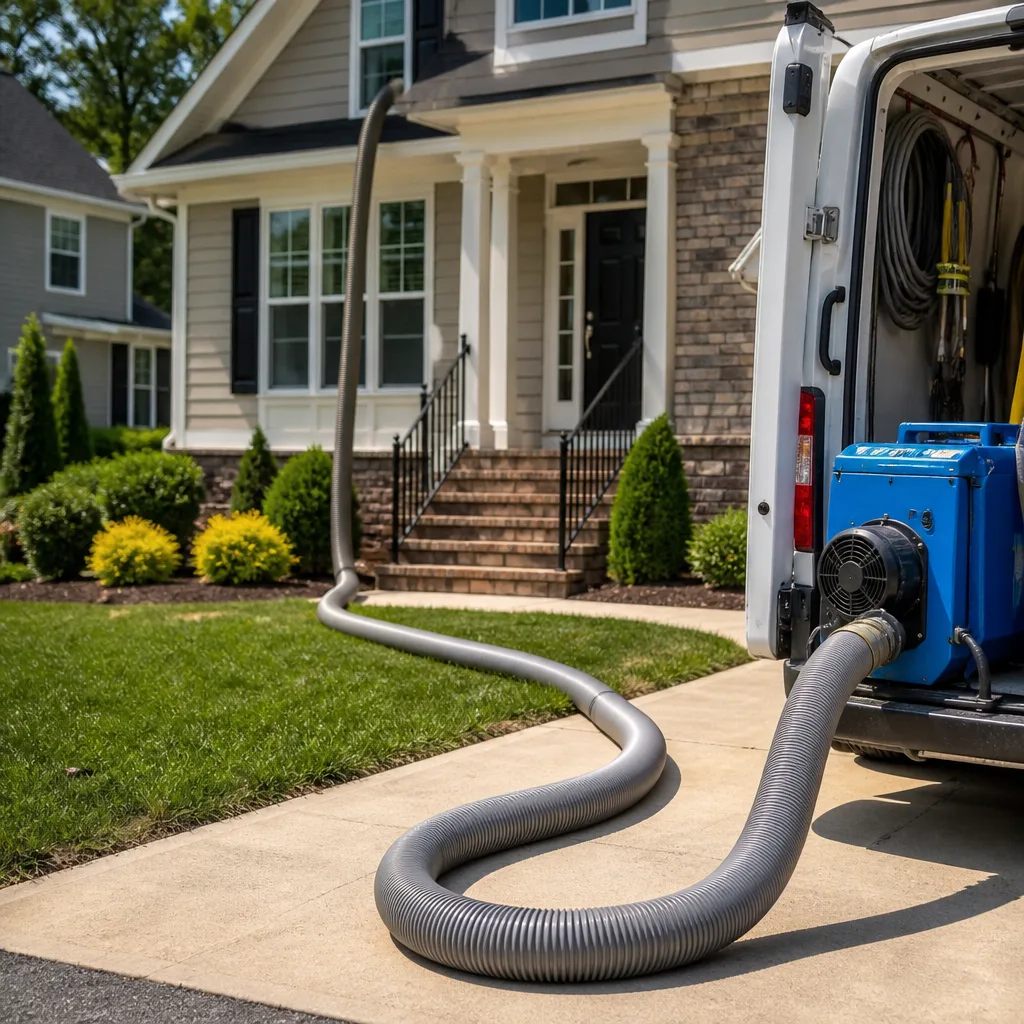 Whole-home duct cleaning
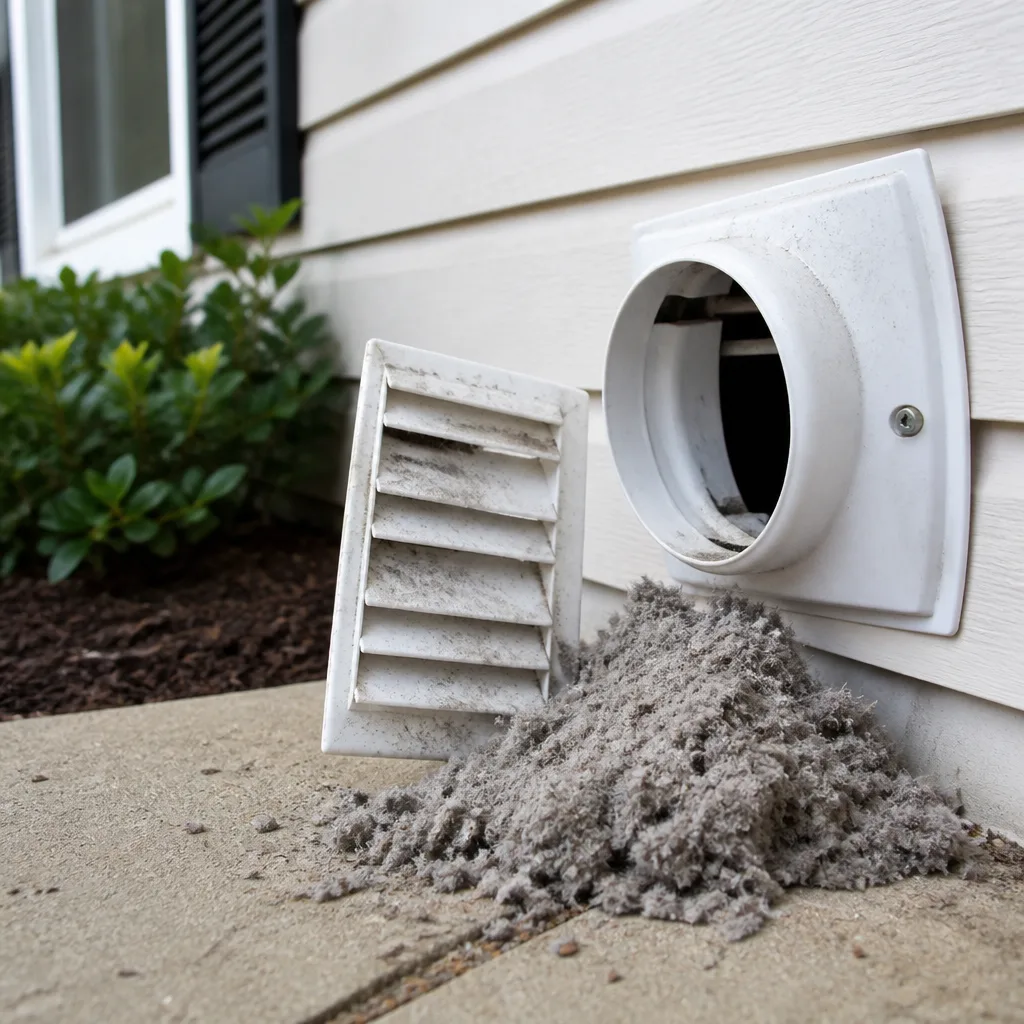 Dryer vent cleaning
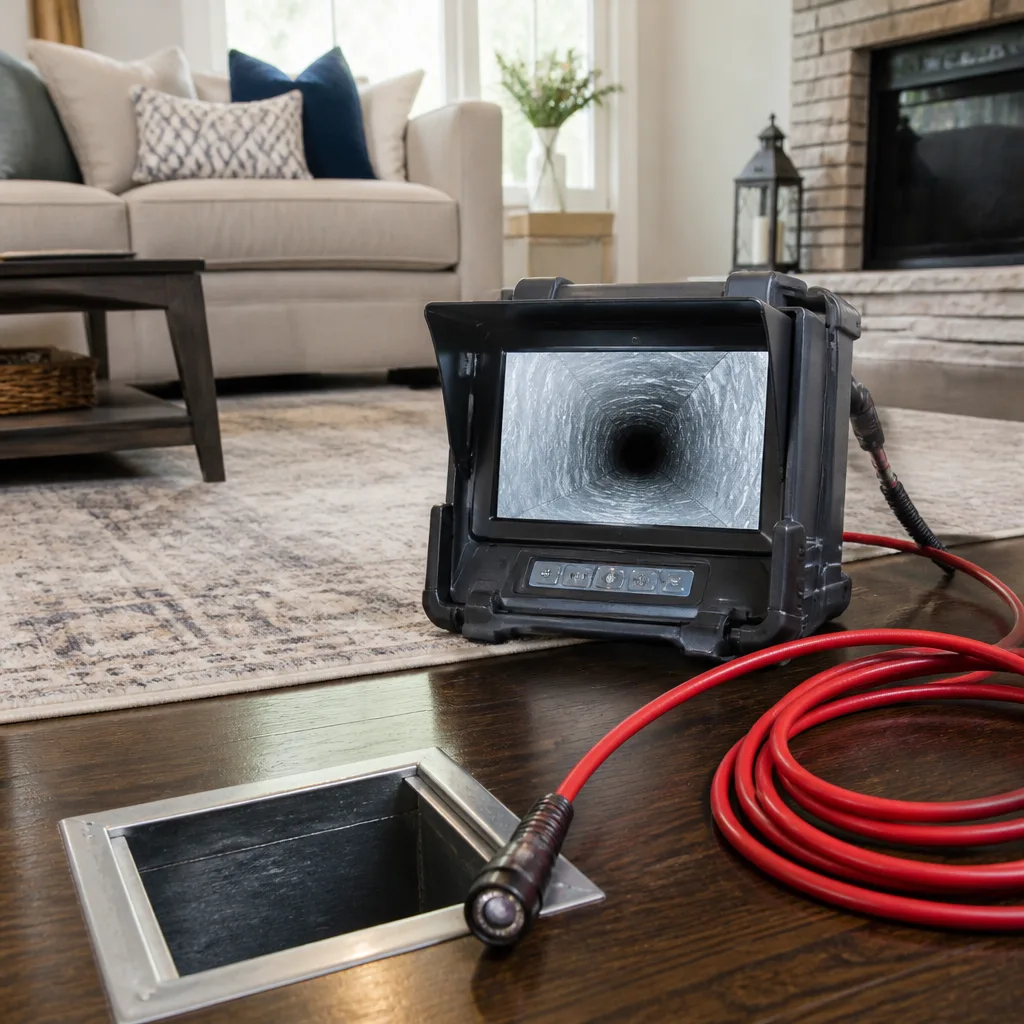 Camera inspection
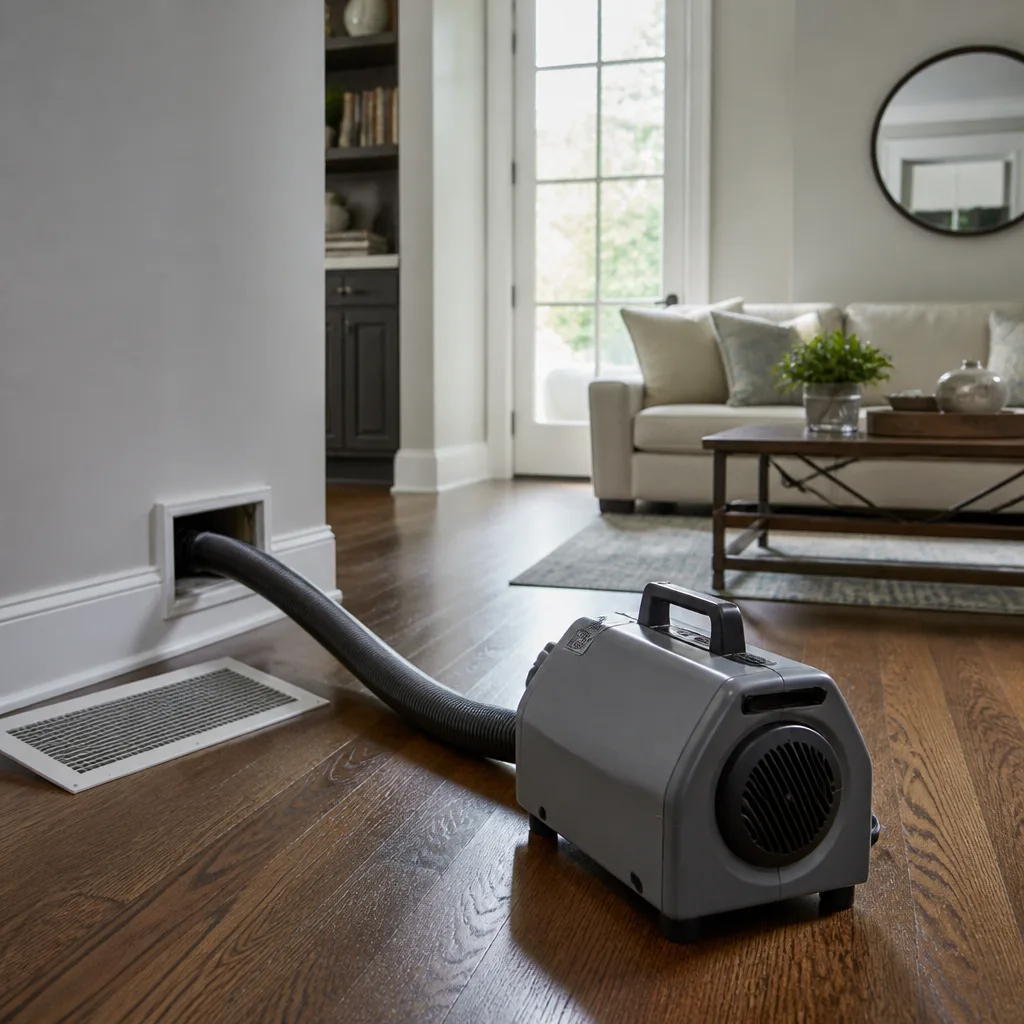 Sanitizing & deodorizing
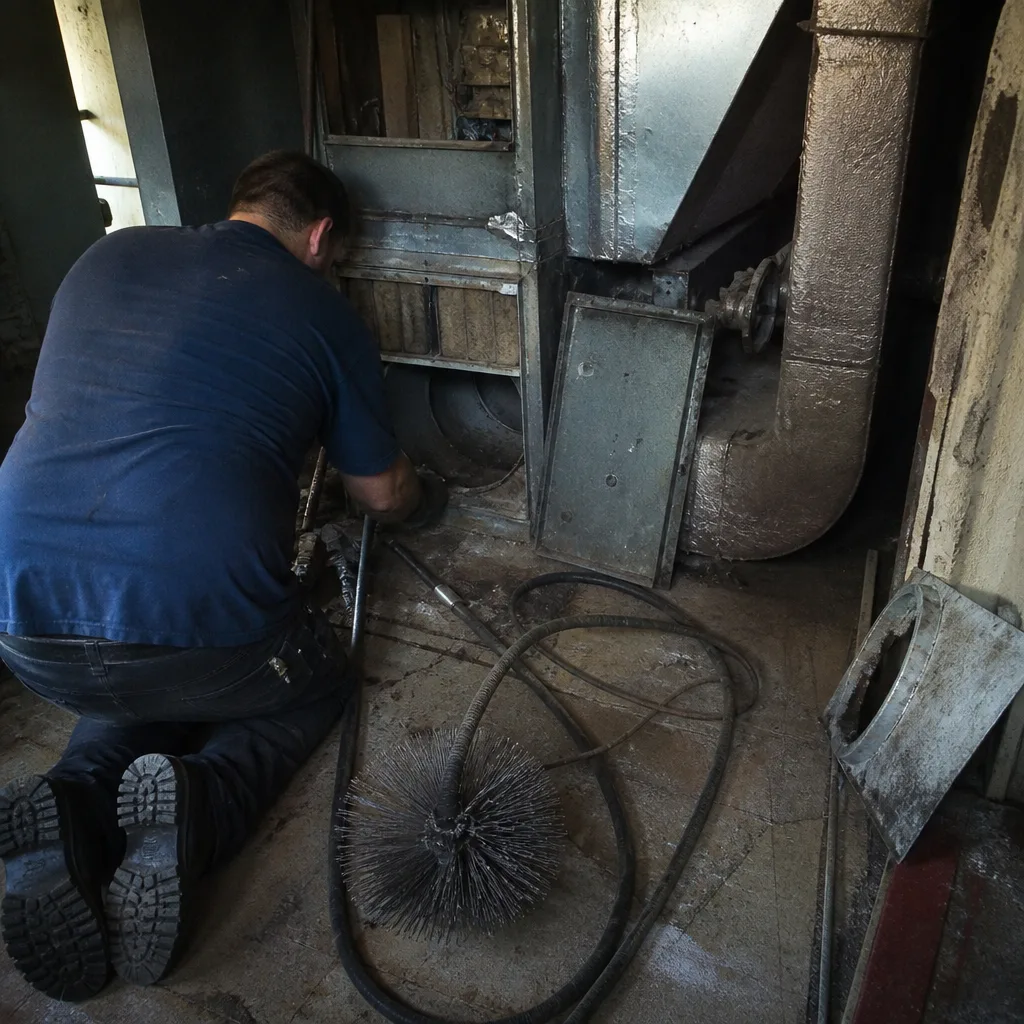
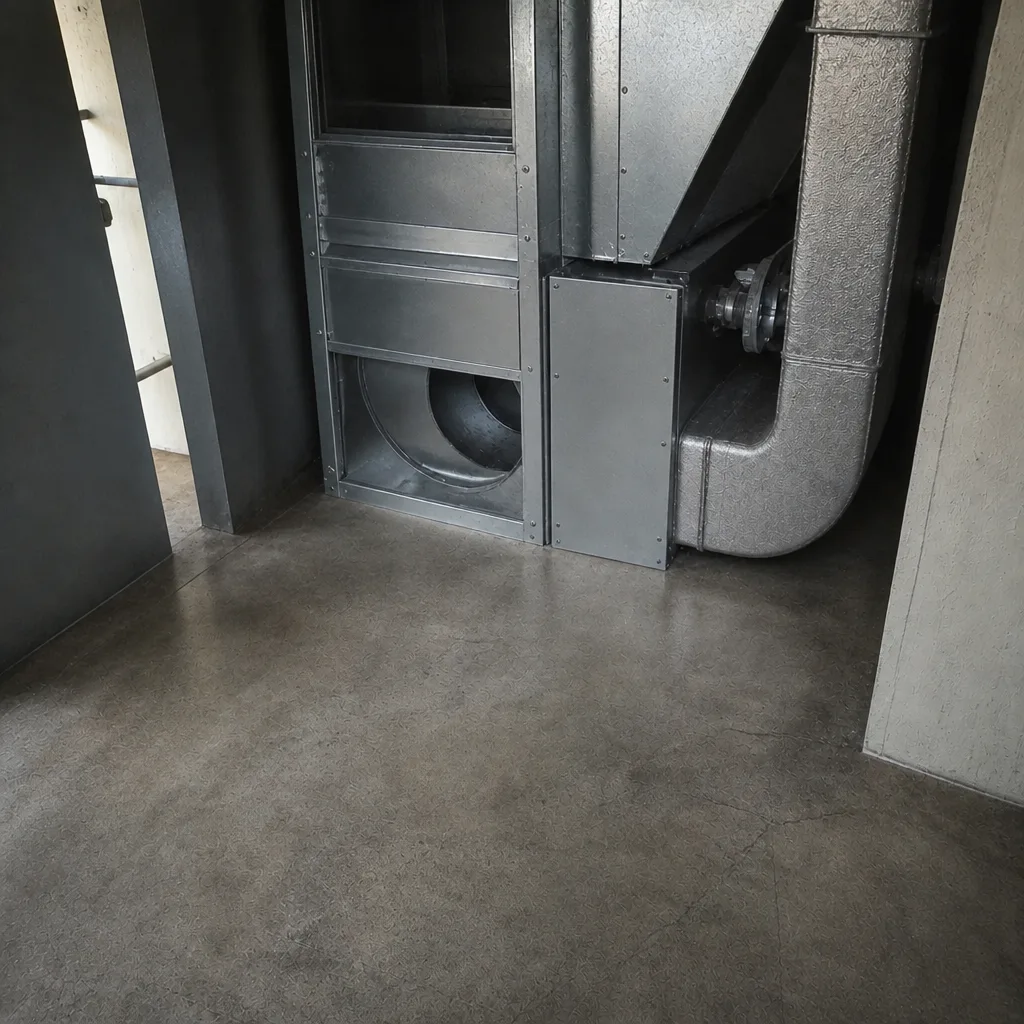
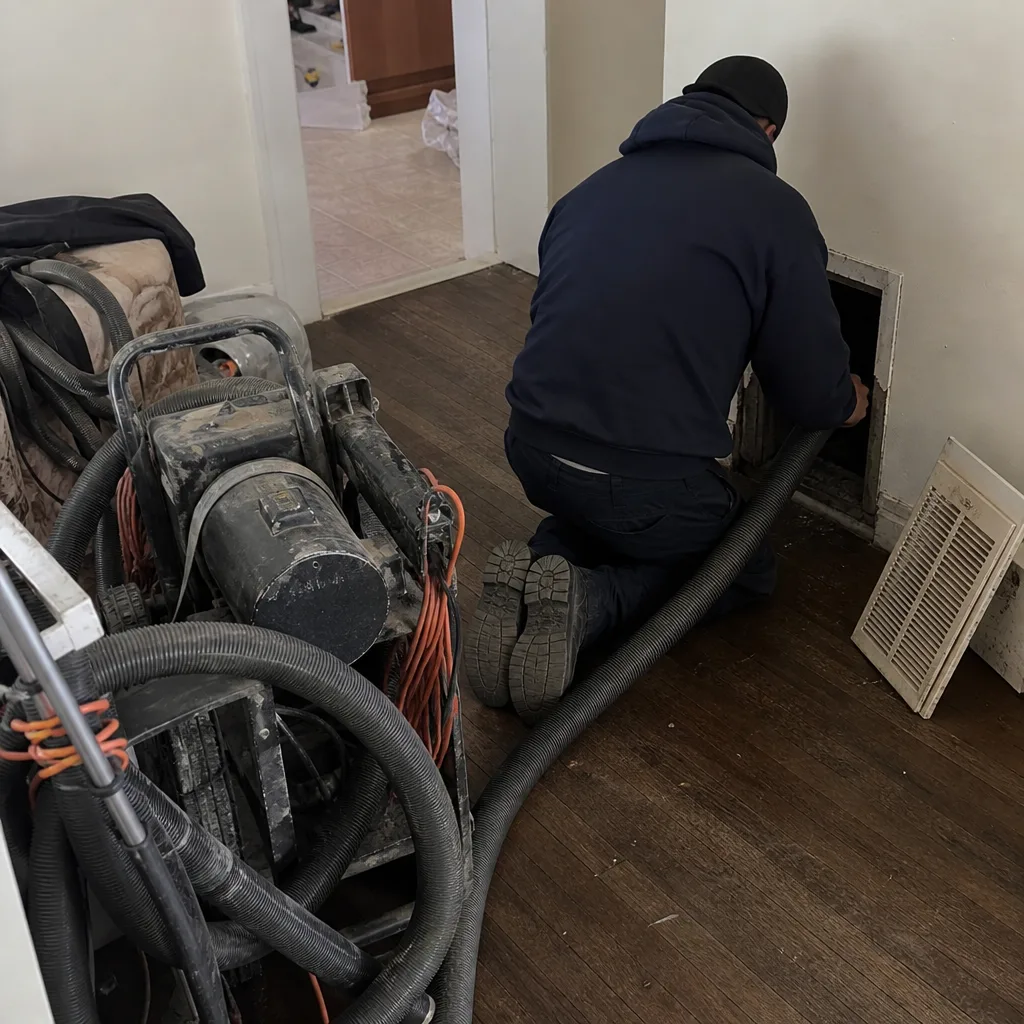
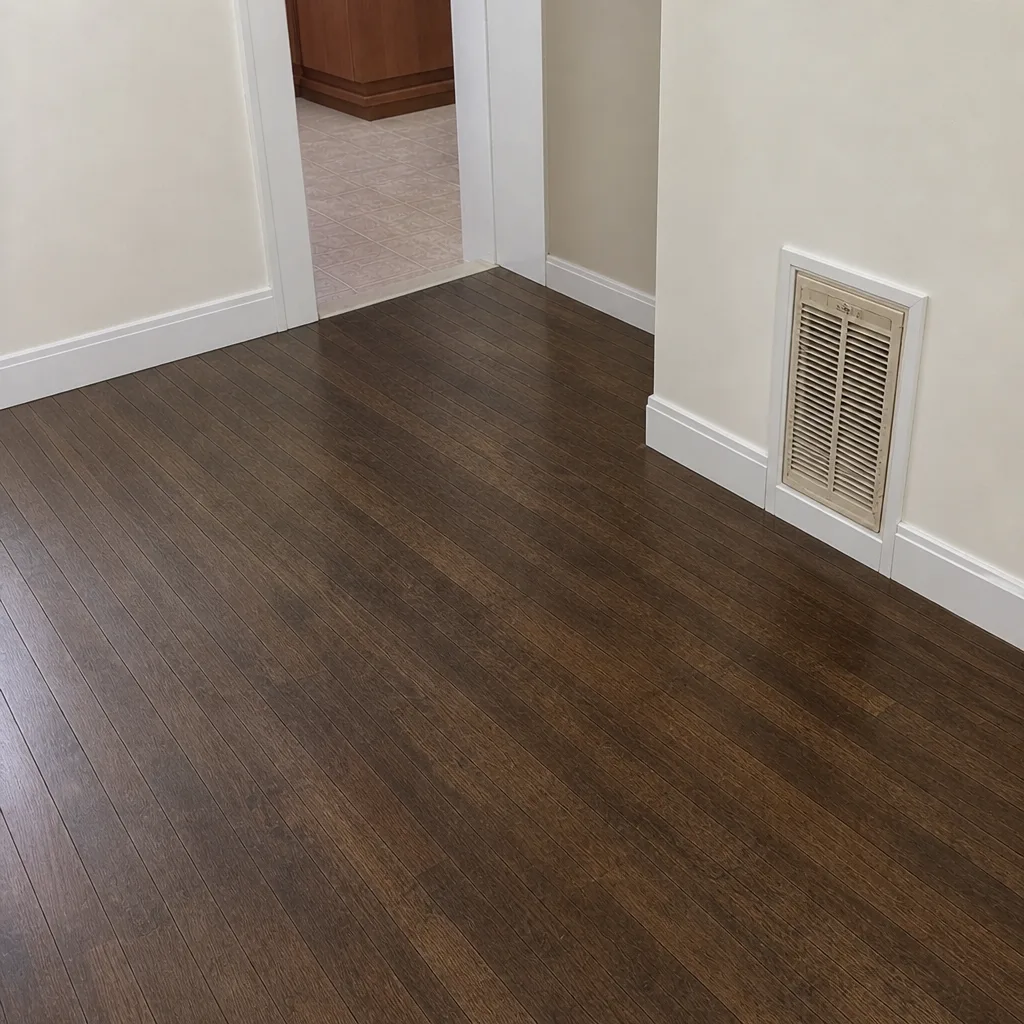
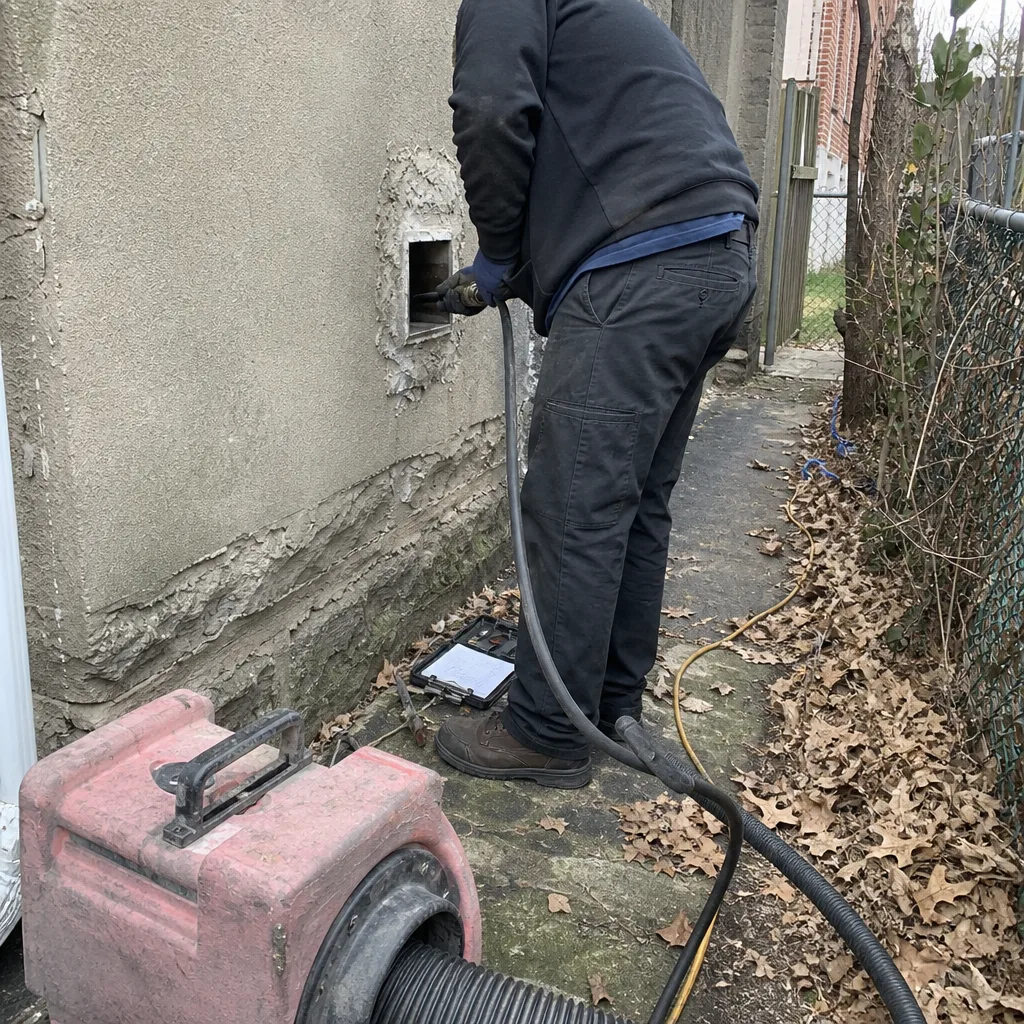
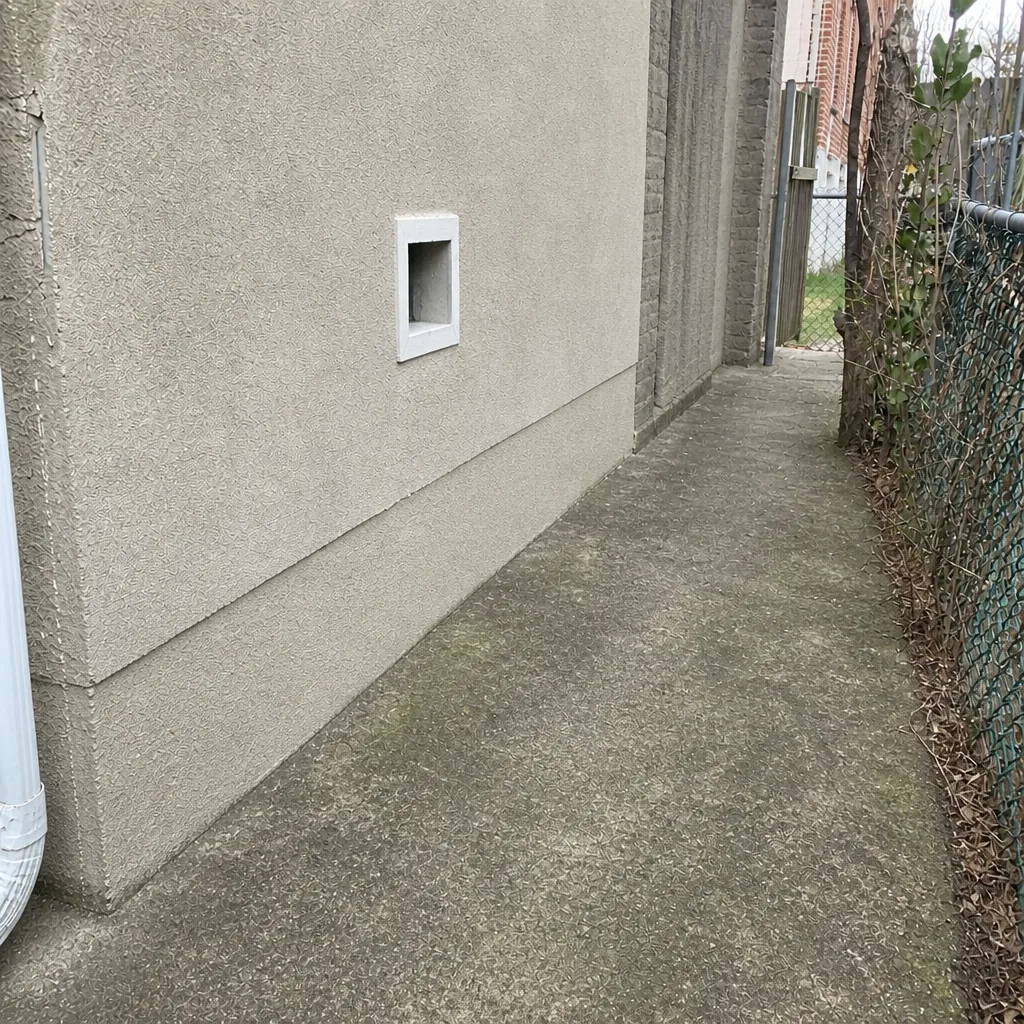
Whole-system duct and dryer vent check with before-and-after photos - you see exactly what came out of your vents
That "$99 whole-house special" is a bait ad - the real number appears once they are in your hallway, or the "clean" is a shop-vac at the register. We photograph the inside of your ducts before and after instead.
The Complete Guide to Air Duct Cleaning in Northeast Philadelphia
Most guides treat a duct system as one thing. It isn’t. It’s a chain of moving parts: the return plenum that pulls air in, the blower compartment that pushes it, the evaporator coil that conditions it, and the trunk-and-branch network that delivers it to each room. Miss one link and the rest of the chain still carries whatever you left behind. In a Northeast Philadelphia twin or row home from the 1950-1975 building boom, that matters more than in a wide suburban ranch, because a typical layout here has few supply registers serving two full floors. Contamination at a single register has a wider reach. This guide walks through the equipment, the process, and the readings that tell you the work actually happened.
Styles & brands we work with
- Whole-home duct cleaning
- Dryer vent cleaning
- Camera inspection
- Sanitizing & deodorizing
Quick Answer
Air duct cleaning in Northeast Philadelphia is a full-system service, not a vacuum pass over your register grilles. A proper job uses negative-pressure containment plus mechanical agitation to pull debris out of the supply ducts, return ducts, blower assembly, coil housing, and drain pan, then verifies the result with airflow readings at each register. In most Northeast Philadelphia homes, that means planning around tight trunk lines, finished basements, and duct runs sized for two-story row houses built before modern load calculations. Expect the work to take a few hours, and expect a written scope before anything starts.
Table of Contents
- Quick Answer
- Why Northeast Philadelphia Duct Systems Are Different
- Source Removal vs. Surface Wipe: What’s the Difference?
- What a Full-System Clean Actually Includes
- How Airflow Readings Prove the Work
- Allergens, Humidity, and Older Duct Wrap in Philadelphia
- Duct Repair and Sealing: The Missing Step
- How Much Does Air Duct Cleaning Cost in Northeast Philadelphia?
- Common Mistakes to Avoid
- When to Call a Professional
- Frequently Asked Questions
- The Bottom Line
Why Northeast Philadelphia Duct Systems Are Different
Northeast Philadelphia’s housing stock follows a specific pattern. The postwar row-house boom put tens of thousands of twins, rows, and semi-detached homes into neighborhoods like Rhawnhurst, Mayfair, and Bustleton between roughly 1950 and 1975. Those homes were built for oil heat, brick and block masonry, and a duct layout that fit within narrow footprints. A standard design used a short trunk running from the basement furnace or air handler, with branches rising to first-floor and second-floor registers. The result is compact trunk-and-branch systems that behave very differently from the long, spread-out duct runs in open-plan suburban homes.
What does that mean in practice? A few specific effects:
- Short trunk runs, higher velocity. Air moves faster through smaller cross-sections, so loose debris in the trunk can stay airborne longer and deposit deeper into branch lines.
- Fewer registers per floor. Many of these homes have two to four supply registers per floor. A single restricted or contaminated register affects a much larger share of the room’s air than it would in a home with eight or ten.
- Tight mechanical spaces. Basements in Northeast Philadelphia rows are usually narrower than suburban mechanical rooms, so equipment positioning matters. Rotary brush systems need entry clearance and a hose path that a truck-mounted vacuum alone can’t reach from a suburban driveway.
- Return plenums built into walls. In many twins and rows, the return uses wall cavities or a stud bay rather than a dedicated duct. That changes how you seal and how you agitate.
- Finished basement ceilings. Where a homeowner finished the basement without reworking the duct system, branch runs are often boxed in or buried, which limits visual inspection.
This is where generic national guides fall short. A procedure built for a Texas slab ranch won’t tell you where to position equipment in a Bustleton semi-detached with a six-foot basement ceiling. Contractor-grade tools help, but they still need to fit. Rotobrush’s rotary brush whip is sized for this kind of residential branch work, and Nikro equipment is what commercial HVAC contractors use on tight mechanical rooms, which is why we standardize on both rather than a consumer shop-vac setup. We clean Northeast Philadelphia’s specific duct patterns, not a template.
Source Removal vs. Surface Wipe: What’s the Difference?
Two very different services get sold under the name “duct cleaning.” One reduces the particulate load in your airstream. The other doesn’t.
Surface-wipe cleaning means what it sounds like. A technician removes the register grilles, reaches in with a cloth or a hand brush, wipes the visible surfaces, and vacuums what he can reach. It takes maybe an hour. It looks better. It doesn’t touch the debris settled on the top inside curve of the trunk, inside the branch lines, on the blower wheel, or on the coil face. Most of the contamination in a Northeast Philadelphia home isn’t in the register opening; it’s beyond it.
Source-removal cleaning is the method NADCA standards describe. The sequence runs like this:
- Containment. Seal the register openings with a negative-pressure vacuum so airborne debris can’t migrate into living space while the work happens.
- Agitation. Use a mechanical rotary brush or compressed-air whip to break loose debris that’s bonded or settled inside the duct walls.
- Extraction. Pull the loosened material into a HEPA-filtered collection system, not into the room.
- Component cleaning. Clean the blower wheel, the evaporator coil face, the coil housing, and the condensate drain pan, each by the method appropriate to it.
- Verification. Take pre- and post-cleaning airflow readings and photograph the interior of the ducts before and after.
The difference shows up in measurable results. If the service doesn’t change CFM readings at your registers, it hasn’t changed the airstream. That’s the test.
What a Full-System Clean Actually Includes
What you’re paying for in a full-system clean is coverage. Here’s the checklist we work from:
- Supply ducts from the trunk takeoff to each register boot, agitated and extracted.
- Return ducts and any return plenum built into wall cavities or stud bays.
- Blower assembly, including the wheel and the blower compartment surfaces. The wheel is a debris trap; a dirty one reduces airflow before anything else in the system.
- Evaporator coil housing and coil face, cleaned without bending fins or introducing moisture where it doesn’t belong.
- Condensate drain pan, cleared of standing water, biofilm, and sludge.
- Register and return grilles, removed, cleaned separately, and reinstalled.
- Duct interior surfaces, sealed or repaired where you find gaps, disconnected joints, or deteriorated wrap.
Two components commonly get skipped even by services that claim full-system cleaning. The coil face is one; a fouled coil both restricts airflow and provides a damp surface for biological growth. The drain pan is the other; standing water there is a source, not a symptom. When we clean an HVAC system in Northeast Philadelphia, both are on the scope, written down before work starts.
Before any of this begins, we walk through the home and inspect the accessible mechanical components. If something looks beyond routine cleaning, we say so and explain why before adding it to the estimate. That’s how we keep the written scope honest.
How Airflow Readings Prove the Work
A visual inspection at the register tells you almost nothing. A CFM reading before and after tells you a great deal.
CFM means cubic feet per minute, and it’s the measurement of how much air moves through a given register. If the duct was restrictive because of settled debris or a crushed branch line, cleaning should raise the number. If the reading doesn’t change, either the duct wasn’t the problem or cleaning didn’t reach the part that was.
Here’s how to interpret the numbers:
- Ask for pre-cleaning CFM at each register. This is your baseline. Without it, there’s nothing to compare against.
- Understand that not every register will change. A branch that was already clear may read the same before and after. That’s the correct result, not a failure.
- Look for consistent improvement at similar registers. If two first-floor registers on the same trunk both read low before and read higher after, the work is responding to something real.
- Check the after-cleaning photo of the trunk interior. Numbers plus photos together are the honest verification. One alone is thin.
- Note flow noise and register temperature. A duct that was starved of air often loses register whistle or temperature lag once it’s reopened.
In Northeast Philadelphia’s compact duct layouts, small improvements in CFM go further than they would in a wider suburban system. A branch feeding a 10-by-10 bedroom from a short trunk needs to be clear; there’s no slack in the layout for one blocked line to be offset by another. That’s why the readings are the deliverable, not the invoice.
Allergens, Humidity, and Older Duct Wrap in Philadelphia
Philadelphia’s summers are humid for months at a time, and that drives mold spore counts in the home environment in ways you won’t see in drier regions. Ducts that run through unconditioned space in older Northeast Philadelphia homes are often wrapped in insulation that has aged. Wrap that has been wet, or that has been cut open and not resealed, becomes a reservoir for spores carried through the system on every blower cycle.
Three local factors specifically matter:
- High summer humidity. Extended stretches above typical humidity levels mean the evaporator coil and drain pan stay wet longer during cooling season. A pan that never fully drains is a breeding ground. That’s one reason the drain pan is on the cleaning scope, not a favor.
- Aging duct wrap. Wrap installed decades ago wasn’t always faced or sealed to current standards. Where it has separated, the interior of the duct is exposed to whatever the chase around it contains.
- Combustion byproduct migration. Many Northeast Philadelphia homes were converted from oil to gas heat. The duct system may have been added, extended, or rerouted during that conversion. If a return plenum was ever built near a combustion appliance, small gaps in the duct envelope can pull exhaust gases into the return air path. A duct sealing scope closes those gaps, which is why we always inspect the return side before cleaning.
None of this is an alarm. It’s a description of what the local housing stock looks like, and why a Northeast Philadelphia duct system deserves a local assessment rather than a template job. When the coil and pan need biological treatment after cleaning, we use Guardsman protective products as part of the sanitizing service, and where the homeowner wants a longer-term solution, we install Honeywell and Aprilaire filtration and air-quality products on the same visit.
Duct Repair and Sealing: The Missing Step
Cleaning addresses contamination. Sealing addresses the reason contamination comes back, and it addresses something else: the energy you’re paying for that leaks out before it reaches a room.
In a Northeast Philadelphia row house, the duct paths often pass through exterior wall chases, basement ceilings, and attic transitions. Every seam, disconnected joint, and open boot that isn’t seated against the subfloor is a leak. A pressure-balanced system loses flow at the far registers before it loses anything noticeable at the near ones, which is why upper-floor bedrooms in these homes often feel under-served.
A duct repair and sealing scope typically covers:
- Reconnecting and mechanically fastening separated trunk and branch joints.
- Sealing seams and register boots with mastic or approved tape rated for HVAC use.
- Repairing crushed, kinked, or collapsed flex runs, especially where basement remodels have boxed them in.
- Restoring or replacing deteriorated interior or exterior duct wrap.
- Sealing return plenums built into wall cavities where local practice allows.
We clean it, repair it, and seal it in one scope where the situation calls for it, so the contamination doesn’t go back to the same leak path you just paid to clear. If a homeowner chooses cleaning without sealing, we say clearly what to expect.
How Much Does Air Duct Cleaning Cost in Northeast Philadelphia?
A full-system air duct cleaning in a typical Northeast Philadelphia row or twin home usually runs into the mid-hundreds for a whole-system scope, and higher for a larger twin with a finished basement, longer duct runs, and duct sealing included. Prices are quoted per job from a written estimate, not per vent, not per register, and not from a coupon number that changes when the technician arrives.
Two things determine the number most:
- System size and configuration. Register count, number of floors, length of trunk, and whether the return is a dedicated duct or built into a wall cavity all change how long the job takes.
- What’s included. Cleaning alone is one scope. Cleaning plus coil and blower service plus duct sealing is a different one. Ask which is being quoted.
One flat price per system, agreed in writing before work starts, is the only structure that protects you from the bait-and-switch pattern that gives this trade a bad reputation. If a quote seems unusually low, ask what’s actually on the scope: which components, how many registers, and whether the coil and drain pan are included. The answer usually explains the price difference. For a specific number on your home in Northeast Philadelphia, call (833) 508-9983. Estimates are free.
Common Mistakes to Avoid
- Accepting a per-vent quote as a full-system quote. A price quoted per register rarely covers the trunk, the returns, the blower, the coil housing, or the drain pan. Confirm the scope covers the full system before agreeing.
- Skipping the blower and coil. Clean ducts feeding a dirty blower wheel and a fouled coil still deliver reduced airflow and can reintroduce contamination. Ask explicitly whether both are on the scope.
- Cleaning without sealing. In Northeast Philadelphia homes with aging duct wrap and disconnected boots, cleaning without sealing lets debris re-enter through the same gaps. If the scope covers cleaning only, ask about the leaks first.
- Trusting a visual check instead of readings. Photos and CFM readings before and after are how you know the work was done. A “check and see” at the register grille is not verification.
- Ignoring the drain pan. Standing water in the condensate pan after cleaning is a source of biological growth. If it isn’t on the scope, it wasn’t cleaned.
- Choosing on price alone. The lowest call usually has the lowest scope. Ask what’s covered, not how much it costs, first.
- Skipping the return side. Return plenums built into wall cavities in older row homes collect dust and, where they run near converted heating equipment, may pull exhaust gases into the airstream. They need to be inspected and cleaned like any other duct.
When to Call a Professional
Not every situation needs a duct cleaning. But some do, and it’s worth calling when:
- You’ve just moved into a Northeast Philadelphia home and don’t know the last time the ducts were cleaned.
- You’ve finished a renovation and drywall dust is visible at registers, or you notice extra dust settling on surfaces.
- Allergy symptoms get worse indoors, particularly during Philadelphia’s humid summer.
- Your HVAC system has been reconfigured from oil to gas and you’re unsure whether the duct work was resealed.
- The upstairs rooms in your row home feel under-supplied compared to the first floor.
- You notice visible mold or a musty smell near a return, and want an assessment before deciding on treatment.
Air Duct Cleaning Northeast Philadelphia offers free estimates in Northeast Philadelphia. Call (833) 508-9983. We answer 24/7. Fast dispatch from 7am to 7pm, Sunday through Friday.
Frequently Asked Questions
A full-system clean in a typical Northeast Philadelphia row or twin home usually falls in the mid-hundreds, and can be more for larger homes or scopes that include sealing. The written estimate sets the final price, and we quote per system, not per vent. Call (833) 508-9983 for an exact quote. Estimates are free.
The lowest quotes usually cover a smaller scope, not a cheaper version of the same scope. A low number may cover register wipes without a negative-pressure containment, trunk extraction, blower cleaning, coil cleaning, or drain pan cleaning. Ask what’s included before agreeing. Call (833) 508-9983 to compare a written scope.
Ask for before-and-after photos of the duct interior and pre- and post-cleaning CFM readings at each register. Those two things together are the honest record. If a company can’t produce both, the work wasn’t verified. Call (833) 508-9983 to schedule an estimate with the readings included.
Most homes need a full-system cleaning every few years, not annually. Homes with pets, recent renovations, or anyone with asthma may need it more often. Call (833) 508-9983 if you’re unsure what your home needs.
Yes, in a practical sense. The trunk-and-branch duct layouts in decades-old row and twin homes have shorter runs and tighter mechanical spaces, so equipment that works well in a wide suburban home may not fit. We use Nikro equipment sized for tight residential branch work and Rotary brush agitation from Rotobrush on the interior duct walls. Call (833) 508-9983 for an assessment specific to your house.
We offer both as separate services, and we often book them together if a homeowner wants a full indoor-air scope. Dryer vent cleaning and HVAC cleaning are distinct from duct cleaning in terms of equipment and process. If you’re not sure which one your home needs, call (833) 508-9983 and we’ll help you decide.
The Bottom Line
A proper air duct cleaning in Northeast Philadelphia is a full-system job with a written scope and measurable verification. That means a negative-pressure containment, mechanical agitation of the interior duct surfaces, a clean blower and coil housing, a cleared drain pan, and pre- and post-cleaning CFM readings you can compare. Row houses, twins, and semi-detached homes in neighborhoods like Rhawnhurst, Mayfair, and Bustleton reward that thoroughness because their duct layouts are compact and have little slack. If the ducts are also leaking, sealing closes the loop. If the scope is honest and the price per system is fixed up front, cleaning is worth doing. If it isn’t, no cleaning is worth doing.
If you’re ready to find out what’s actually in your duct system, Air Duct Cleaning Northeast Philadelphia can help. We’ve worked in homes across Northeast Philadelphia, and we’re happy to talk through your situation before you commit to anything. Call (833) 508-9983 for a free estimate. We answer 24/7. Fast dispatch from 7am to 7pm, Sunday through Friday.
Written by the team at Air Duct Cleaning Northeast Philadelphia.
See the difference
 Before
 After
 Before
 After
 Before
 After