
Last updated November 22, 2026
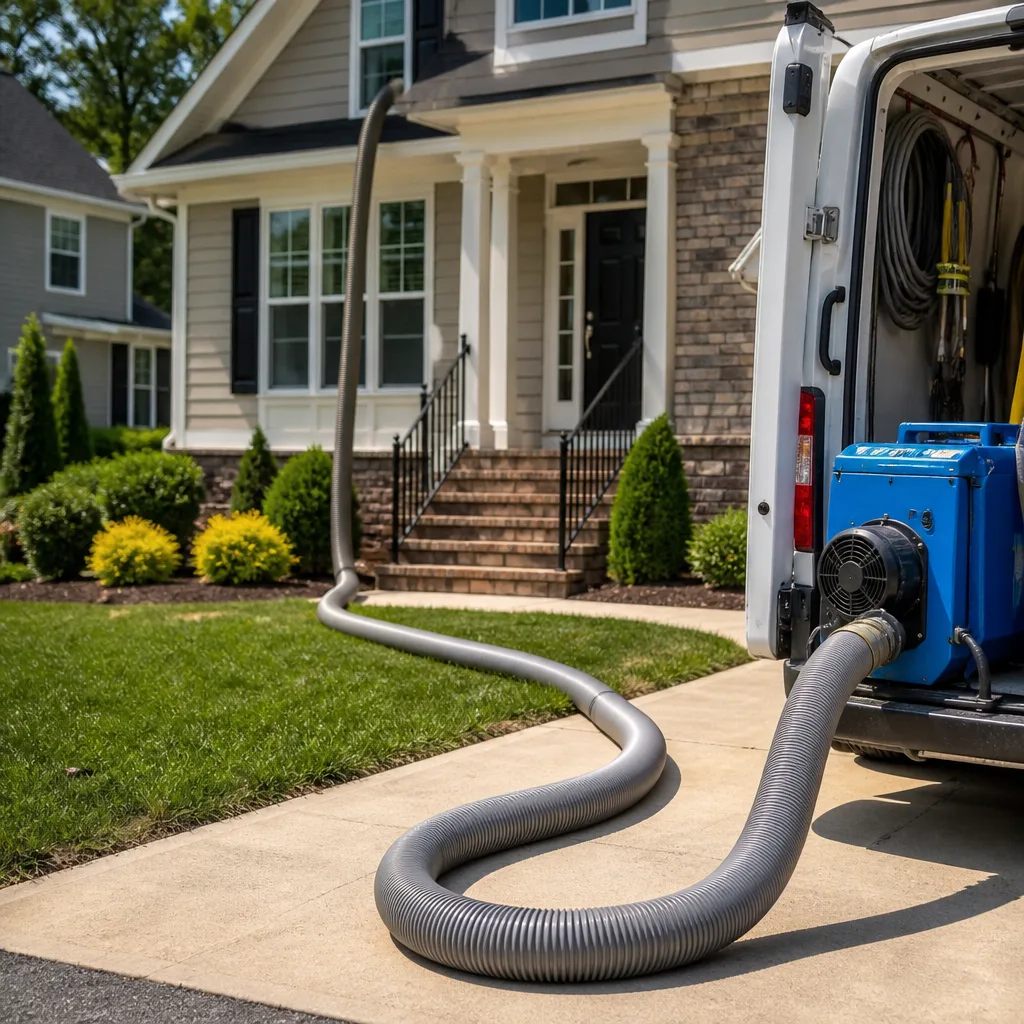 Whole-home duct cleaning
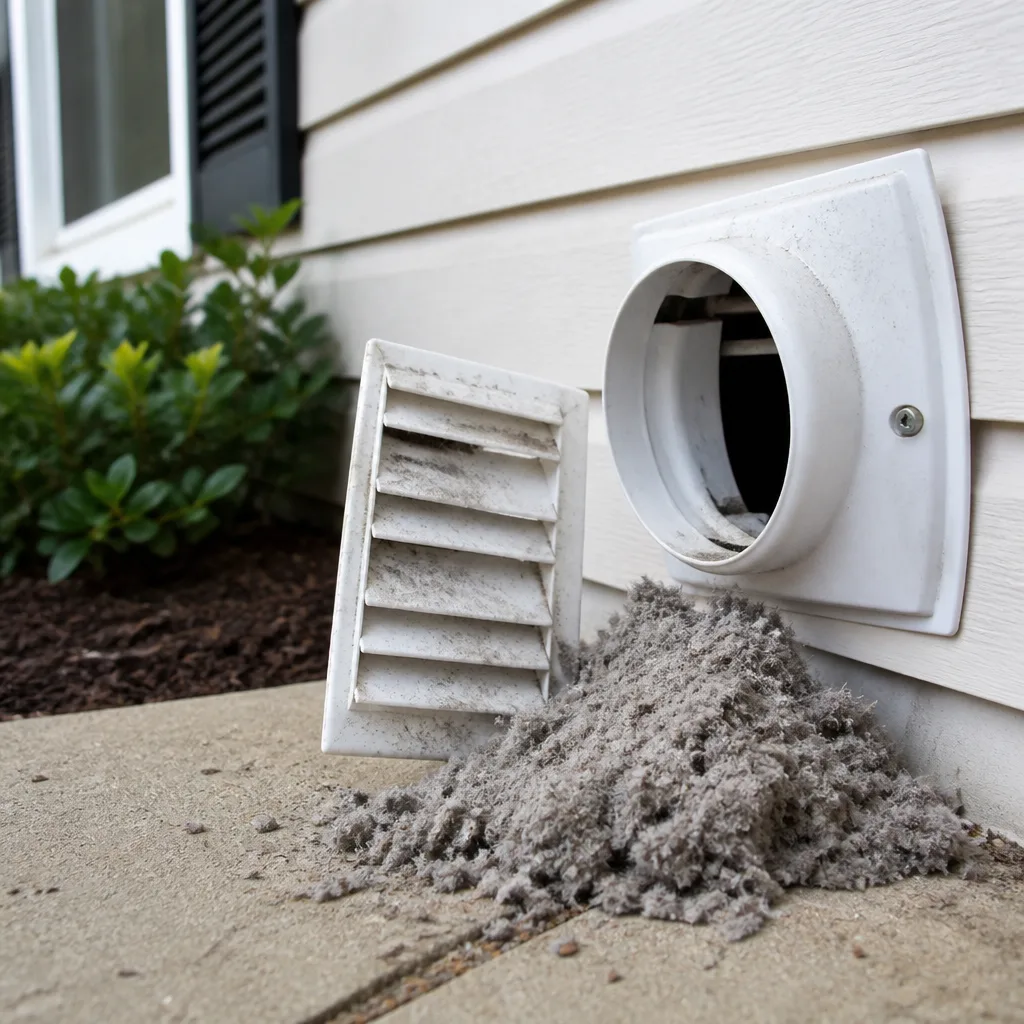 Dryer vent cleaning
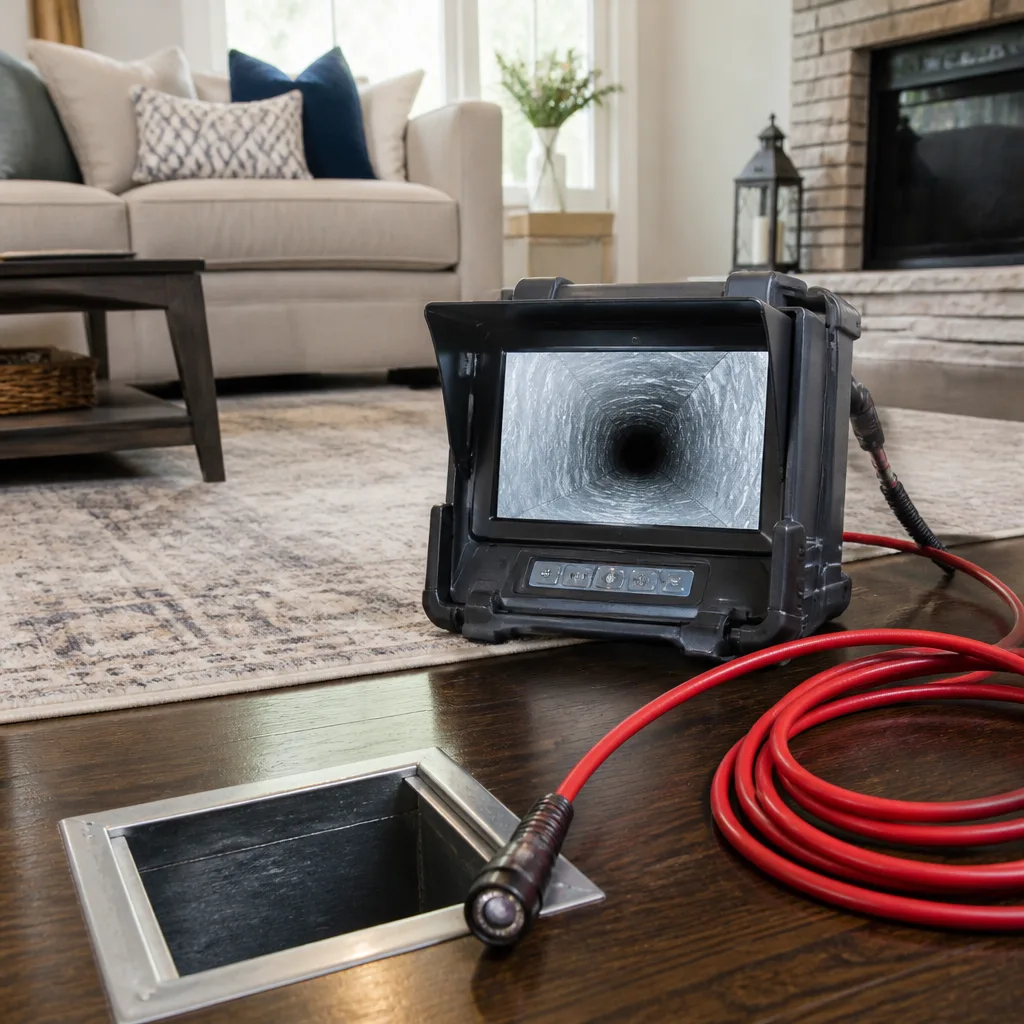 Camera inspection
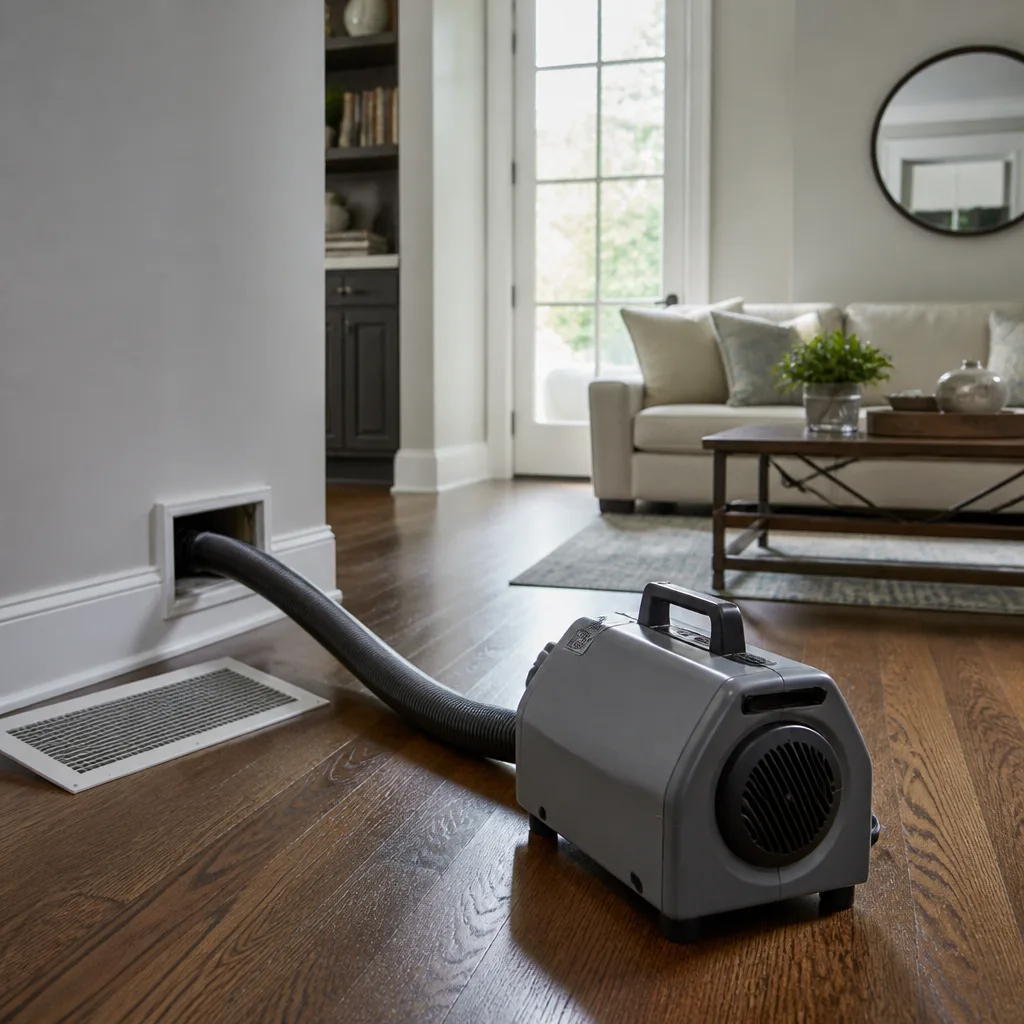 Sanitizing & deodorizing
Whole-system duct and dryer vent check with before-and-after photos - you see exactly what came out of your vents
That "$99 whole-house special" is a bait ad - the real number appears once they are in your hallway, or the "clean" is a shop-vac at the register. We photograph the inside of your ducts before and after instead.
Air Duct Cleaning Permits, Codes & Inspections in Northeast Philadelphia, PA: What You Need to Know
Here’s the part most homeowners never hear: the cleaning itself almost never needs a permit, but the repair that happens during it often does. A technician opens a return trunk in a Northeast Philadelphia rowhouse, finds a joint that has pulled apart, and reconnects it before packing up. Nothing about that feels like construction. Yet under Philadelphia’s building code, reconnecting and modifying ductwork falls on the mechanical-work side of the line, and the paperwork that should have come with it usually doesn’t. This guide draws that line clearly: what L&I calls maintenance, what it calls mechanical work, when a permit is required, how to check a contractor, and what unpermitted duct changes mean when you sell.
Quick Answer
Air duct cleaning by itself is maintenance and does not require a permit in Philadelphia. A permit becomes necessary when the work changes the duct system itself: replacing or rerouting duct runs, installing UV germicidal lamps wired into the air handler, adding an ERV or HRV, or modifying the original duct layout. Duct sealing sits in a gray zone that depends on scope, so ask the contractor to state in writing which side of the line the job falls on, and verify mechanical licensure through the city’s Department of Licenses and Inspections before the work starts.
Styles & brands we work with
- Whole-home duct cleaning
- Dryer vent cleaning
- Camera inspection
- Sanitizing & deodorizing
Table of Contents
- Maintenance or Mechanical Work? How Philadelphia Draws the Line
- When Does Duct Work Require a Permit in Northeast Philadelphia?
- How to Verify a Contractor’s Mechanical License Through L&I
- Duct Sealing and the Gray Zone
- Unpermitted Duct Work and Home Sales: What to Check Before You List
- ASHRAE 62.2 and Tighter Ducts: When Sealing Needs Fresh-Air Compensation
- What an Inspection Actually Looks Like
- Common Mistakes to Avoid
Maintenance or Mechanical Work? How Philadelphia Draws the Line
Philadelphia’s Department of Licenses and Inspections (L&I) enforces the city’s building code, and that code adopts a mechanical code that separates routine upkeep from work that alters a system. The distinction matters because the two categories carry different requirements: one is something any insured cleaning company can do, the other calls for a licensed mechanical contractor and often a permit.
Cleaning falls firmly on the maintenance side. Running a rotary brush through a supply run, extracting debris from a return trunk, pulling buildup off a blower wheel, or cleaning a dryer vent are all restorative, not structural. No permit, no inspection, no plan review. The system goes back together exactly as it came apart.
Mechanical work begins the moment the shape or configuration of the system changes. That includes:
- Cutting in a new supply or return register
- Replacing a section of duct with new material of a different size or routing
- Rerouting a run to clear a finished basement ceiling
- Reconnecting a duct that has separated, when the reconnection involves new fittings or a change in how the joint is made
- Wiring a UV germicidal lamp into the air handler’s electrical circuit
- Integrating an energy recovery ventilator (ERV) or heat recovery ventilator (HRV) into the duct system
- Any modification to the original duct layout shown on the permitted plans
There’s a practical reason the line exists beyond paperwork. Duct systems are sized around static pressure, airflow and the equipment’s rated capacity. A run that gets rerouted or resized changes how the whole system breathes, and the permit-and-inspection process is how the city confirms that change was designed rather than improvised. In older Northeast Philadelphia housing stock, where ductwork is often the product of several decades of additions, that confirmation has real value.
We clean ducts, we repair them, and we seal them – and we tell homeowners plainly when a repair crosses into mechanical territory that needs a licensed contractor and city sign-off. That honesty protects the homeowner’s record, not just the duct.
When Does Duct Work Require a Permit in Northeast Philadelphia?
A permit is required when the work modifies the duct system’s layout, adds a powered air-quality component wired to the HVAC equipment, or integrates new ventilation equipment. Cleaning, sanitizing and surface treatment do not require one.
The clearest way to think about it is scope. Ask what the job changes. If the answer is “nothing, we’re removing debris,” you’re in maintenance. If the answer is “the system will be configured differently afterward,” you’re probably in permit territory. Here’s how the common scenarios sort out:
- Standard air duct cleaning: no permit. Includes source removal with rotary brush and negative-pressure extraction.
- Dryer vent cleaning: no permit. Routine maintenance on an appliance vent.
- Basic duct sealing at existing joints: usually no permit when the scope is sealing accessible joints without altering the layout. Larger sealing projects that involve opening walls or changing the system should be confirmed with L&I.
- Duct replacement or rerouting: permit required. New material, new sizing or a new path through the structure is mechanical work.
- UV germicidal lamp installation: permit required when the lamp is wired into the air handler’s electrical circuit. A plug-in unit mounted inside a return is a different question, and the installing contractor should say which it is.
- ERV or HRV integration: permit required. These units add duct connections and electrical work to the system.
- Adding or relocating registers: permit required. This alters the layout.
None of this should feel like a trap. The line protects you. Unpermitted mechanical work discovered later can mean opening finished walls for inspection, and in the worst case, redoing a job that was already paid for. Before any duct project in Northeast Philadelphia, ask the contractor one plain question: does this scope require a permit, and who is pulling it? A professional answers without hesitation.
How to Verify a Contractor’s Mechanical License Through L&I
You verify a contractor by checking two separate things: whether they hold the mechanical license the work requires, and whether they carry insurance for the work they’re doing. Cleaning companies are often insured for cleaning. That insurance does not make them licensed to perform mechanical work.
This is the gap that catches homeowners. A duct cleaning company with proper liability coverage, professional equipment and a clean reputation may still not hold a mechanical contractor’s license. That’s completely fine for cleaning. It becomes a problem the moment the scope expands into reconnecting a separated joint, rerouting a run, or wiring in a UV lamp.
Here’s the sequence we recommend before hiring anyone for duct work that goes beyond cleaning:
- Ask what license the scope requires. If the contractor can’t explain the difference between cleaning and mechanical work, that’s your answer.
- Get the license number in writing. The contractor’s license should appear on the written estimate, not just in conversation.
- Look it up through Philadelphia’s Department of Licenses and Inspections. L&I maintains the city’s contractor license records. Confirm the license is active and matches the legal name on your estimate.
- Ask for a certificate of insurance and confirm the coverage matches the work being done, not just general cleaning.
- Ask who pulls the permit if one is required. In most residential work the contractor pulls it; the homeowner should never be the one applying for mechanical permits on work they’re paying someone else to do.
- Confirm the final inspection is included in the price and the timeline. A permit without a scheduled inspection is just a piece of paper.
One more thing to verify: whether the company will put the scope in writing at all. A written estimate that lists what’s included, what isn’t, and which side of the permit line each item falls on is the single best protection you have. If a contractor can’t produce that, they’re asking you to trust a verbal promise about construction work in your home.
Duct Sealing and the Gray Zone
Duct sealing is the most common source of permit confusion in Northeast Philadelphia, and the reason is simple: sealing can mean two very different jobs. Sealing accessible joints with mastic or approved tape is maintenance. Sealing that requires opening finished surfaces, changing the layout, or rerouting duct to reach a leak is mechanical work.
Sealing is also the service we’d argue matters most for indoor air. Leaky return ducts in a basement or crawl space pull in soil gas, insulation fibers and dust before the air ever reaches the filter. Sealing the leaks addresses the contamination at its source rather than cleaning up after it. That’s why we treat duct repair and sealing as a core service alongside cleaning, not an upsell.
Here’s how to tell which kind of sealing job you’re looking at:
- Accessible joints, no layout change: maintenance. No permit expected.
- Sealing at the air handler and plenum connections: typically maintenance, but confirm the scope in writing.
- Sealing that requires opening walls, ceilings or floors: ask L&I. The answer depends on what’s being altered.
- Sealing combined with rerouting or resizing: mechanical work. Permit required.
There’s a second gray zone worth naming: the reconnection. A duct joint that has pulled apart is a real problem, and reconnecting it during a cleaning visit feels like a courtesy. But if the reconnection involves new fittings or a change in the joint configuration, it’s mechanical work under the code, and the contractor performing it should hold the license and pull the permit. This is not about catching anyone out. It’s about making sure the repair is on the record, because the next owner of your home will be the one asking about it.
Unpermitted Duct Work and Home Sales: What to Check Before You List
Unpermitted duct modifications show up in buyer inspections, and they can delay or derail a sale. A buyer’s home inspector who notes a rerouted duct run or a UV lamp wired into the air handler without a permit on record creates a negotiating problem at exactly the wrong moment.
Philadelphia’s permit history is public through L&I. Before listing, pull the record for your address and compare what’s on file against what’s actually in the house. The most common mismatches we hear about in Northeast Philadelphia homes:
- A finished basement where a supply trunk was rerouted around a new ceiling
- A UV lamp or air purifier wired into the air handler with no electrical or mechanical permit
- An ERV or HRV added during a renovation with no permit pulled
- A dryer vent extended or rerouted without documentation
- Ductwork added to a room that was originally unheated
The fix is usually straightforward if you catch it early. Pull the permit history, identify what’s missing, and talk to a licensed mechanical contractor about whether the work needs to be inspected retroactively. That conversation is far cheaper before a buyer’s inspector finds the gap than after. If a duct project in your Northeast Philadelphia home is coming up and you’re unsure what’s on record, get the scope in writing first and check it against L&I’s files. We can clean, repair and seal the system, and we’ll tell you plainly when the scope needs a licensed mechanical contractor and a permit.
ASHRAE 62.2 and Tighter Ducts: When Sealing Needs Fresh-Air Compensation
Tighter ductwork can make a house too tight, and ASHRAE 62.2 is the standard that says so. ASHRAE 62.2 sets minimum whole-house ventilation requirements for low-rise residential buildings. When duct sealing meaningfully reduces infiltration, the house may need intentional fresh-air intake to compensate.
This is a genuine tension in the trade, and most duct cleaning companies never mention it. Sealing leaks is good. Sealing every leak in a tight modern house without thinking about ventilation can leave the house under-ventilated, which shows up as stale air, elevated humidity in the summer, and condensation on cool surfaces in winter. The standard exists because the trade learned this the hard way.
In Northeast Philadelphia, the practical version of this looks like a few specific situations:
- Post-renovation homes: new windows, new insulation and new duct sealing in the same house can tip the ventilation balance. An ERV or HRV integration is the usual answer, and it requires a permit.
- Older rowhouses with tight envelopes: original plaster and masonry, once sealed up, behave differently than a leaky 1950s build. Ventilation should be part of the conversation.
- Homes with combustion appliances: a sealed house with a gas-fired furnace or water heater needs someone checking that combustion air is adequate. This is not a DIY question.
- UV lamp and air purifier installations: adding air treatment to a tight house changes how the system moves air. The equipment sizing should match the ventilation reality.
Here’s what we tell homeowners: sealing is usually the right call, and it’s the part of the job most people skip. But the installer should know whether the house needs compensating fresh air afterward. If the answer is yes, that component is a permit item, and it should be on the scope and the estimate before work starts. Honeywell and Aprilaire both make ventilation and fresh-air products that integrate with residential duct systems, and we install them as part of a complete air-quality solution rather than as an afterthought.
What an Inspection Actually Looks Like
A mechanical inspection is a visual verification that the work matches the permit and the code, and in a residential duct project it usually takes a focused look at a few specific things. Understanding what the inspector checks helps you confirm the work was done properly, whether you’re a homeowner or a property manager.
The inspection is not a cleaning verification. It’s a code verification. Here’s what typically gets checked:
- Materials match the permit. Duct material, gauge, insulation and sealant should match what was specified.
- Connections are sealed and supported. Joints are fastened, sealed and supported at the intervals the code requires.
- Routing matches the approved layout. The duct goes where the permit says it goes.
- Clearances are maintained. Duct near heat sources, flues and combustibles maintains the required clearance.
- Electrical work for air-treatment equipment is inspected. A UV lamp or ventilator wired into the air handler needs its electrical connection inspected, not just the duct.
- Ventilation equipment is installed per the manufacturer’s instructions and the code. ERV and HRV units have specific requirements for ducting, drainage and controls.
If your cleaning visit turns up a disconnected duct run, the honest question is not “can you reconnect it?” It’s “does reconnecting this require a permit, and are you licensed to do it?” We’ve seen enough Northeast Philadelphia jobs where the answer was one thing and the paperwork said another. The inspection is how the record gets set straight, and it’s worth the extra step.
Common Mistakes to Avoid
- Treating cleaning and mechanical work as the same thing. A properly insured cleaning company may not be licensed for mechanical work. Ask specifically which license applies to the repair part of the job, not just the cleaning.
- Letting a contractor reconnect a separated joint on the spot without asking about permits. It feels like a favor and it might be legally unpermitted. Ask before it happens, not after.
- Wiring a UV lamp into the air handler without a permit. UV germicidal lamps that draw power from the HVAC equipment are mechanical and electrical work. A plug-in unit is a different animal, and the contractor should tell you which one they’re installing.
- Skipping the permit history check before listing a Northeast Philadelphia home. Buyer inspectors look for it. Finding the gap yourself is cheaper than finding it during negotiation.
- Sealing ducts in a tight house without thinking about ventilation. ASHRAE 62.2 exists for a reason. If the house is well-sealed already, ask whether the sealing scope needs compensating fresh-air intake.
- Accepting a verbal scope. If the estimate doesn’t say what’s included, what isn’t, and which items require a permit, you don’t have an estimate. You have a conversation.
- Assuming the cheapest quote covers the same work. A price that excludes permits, inspection and ventilation compensation isn’t cheaper. It’s a smaller job.
See the difference
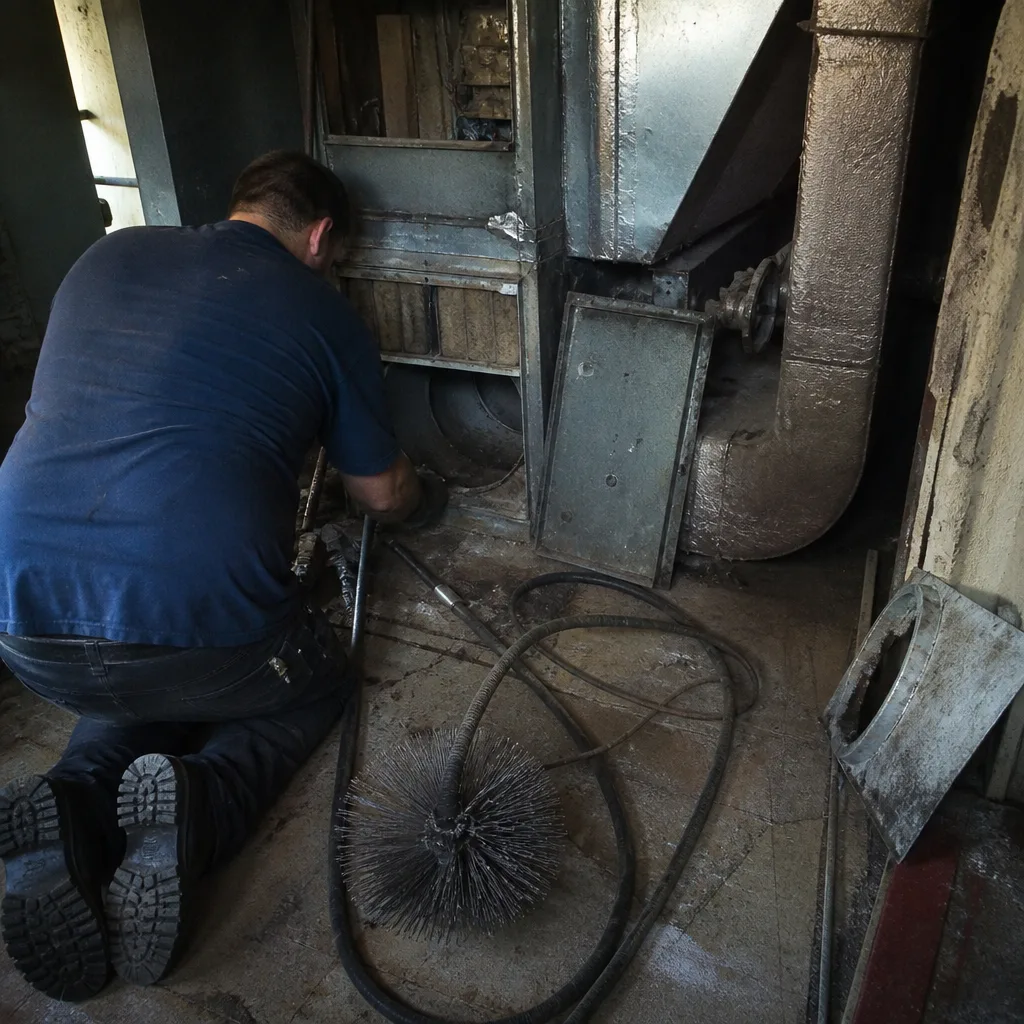 Before
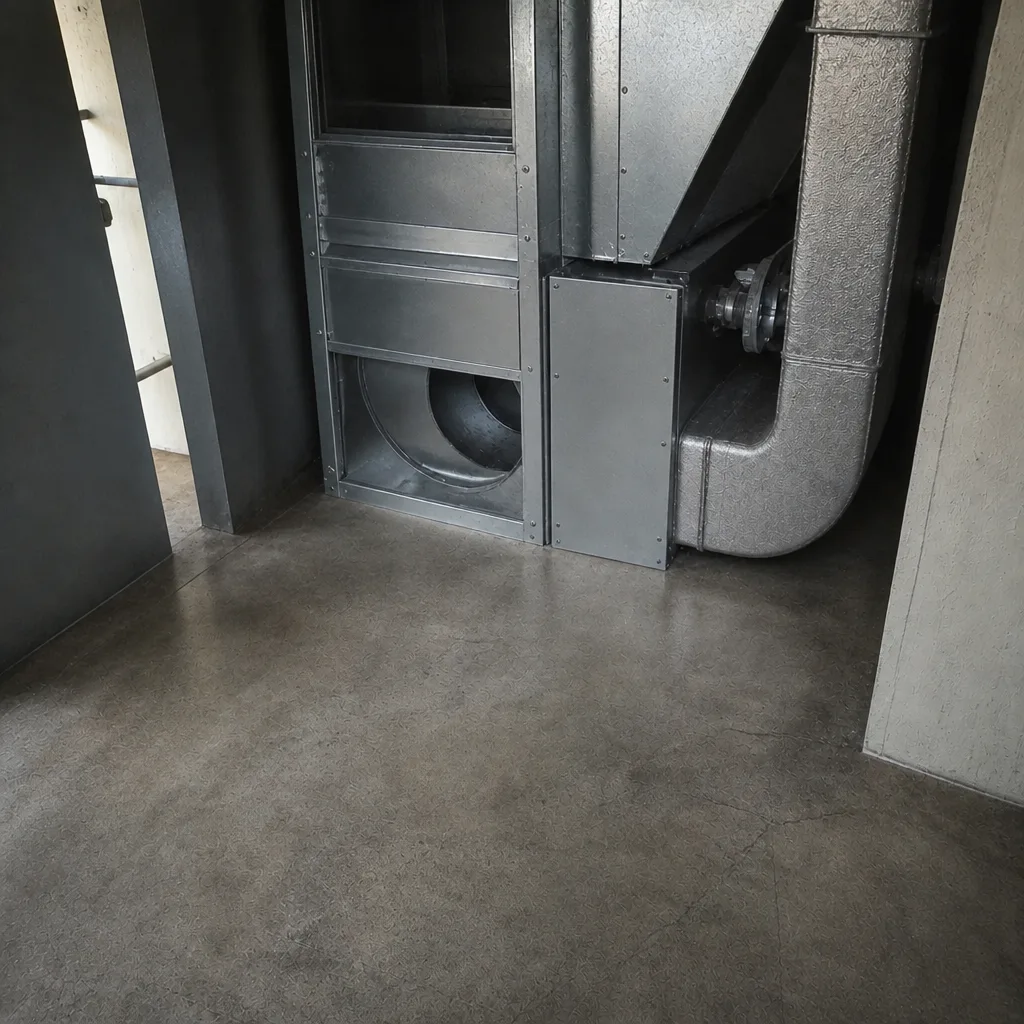 After
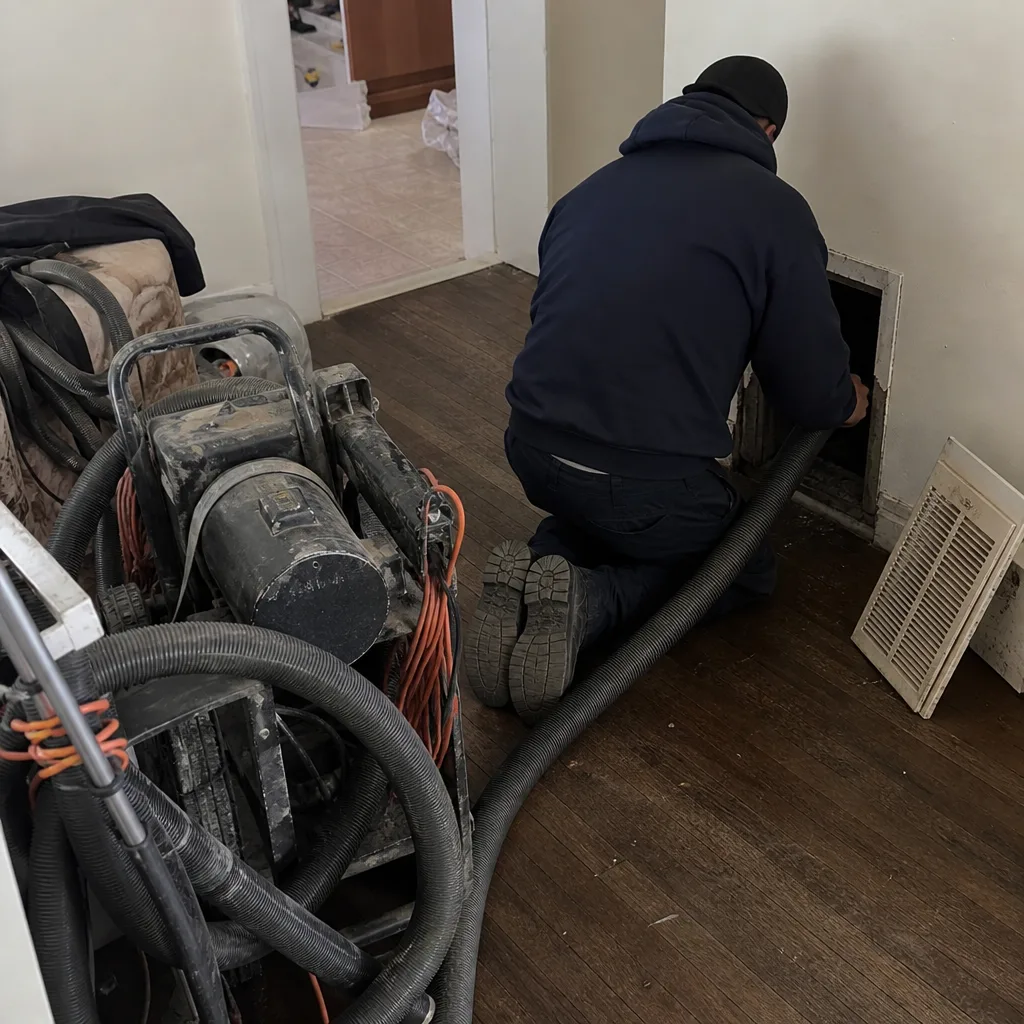 Before
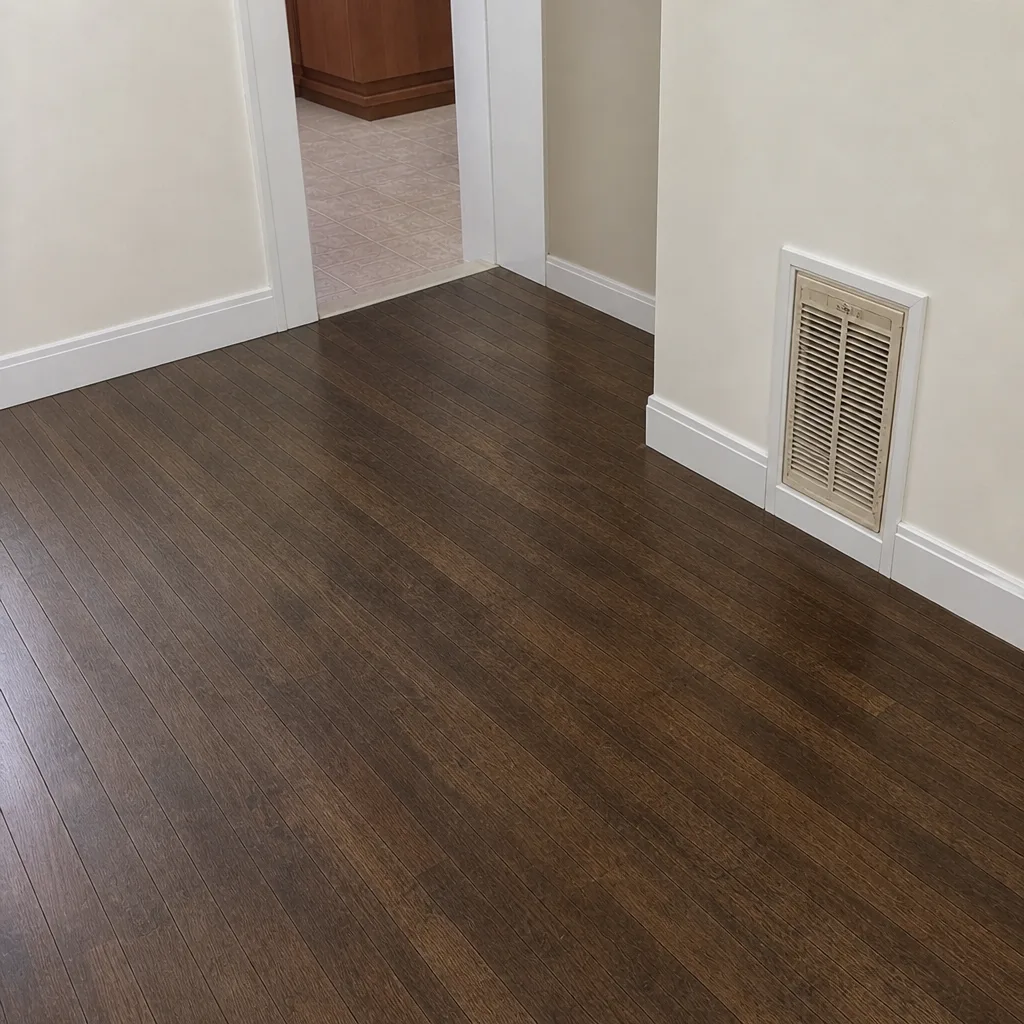 After
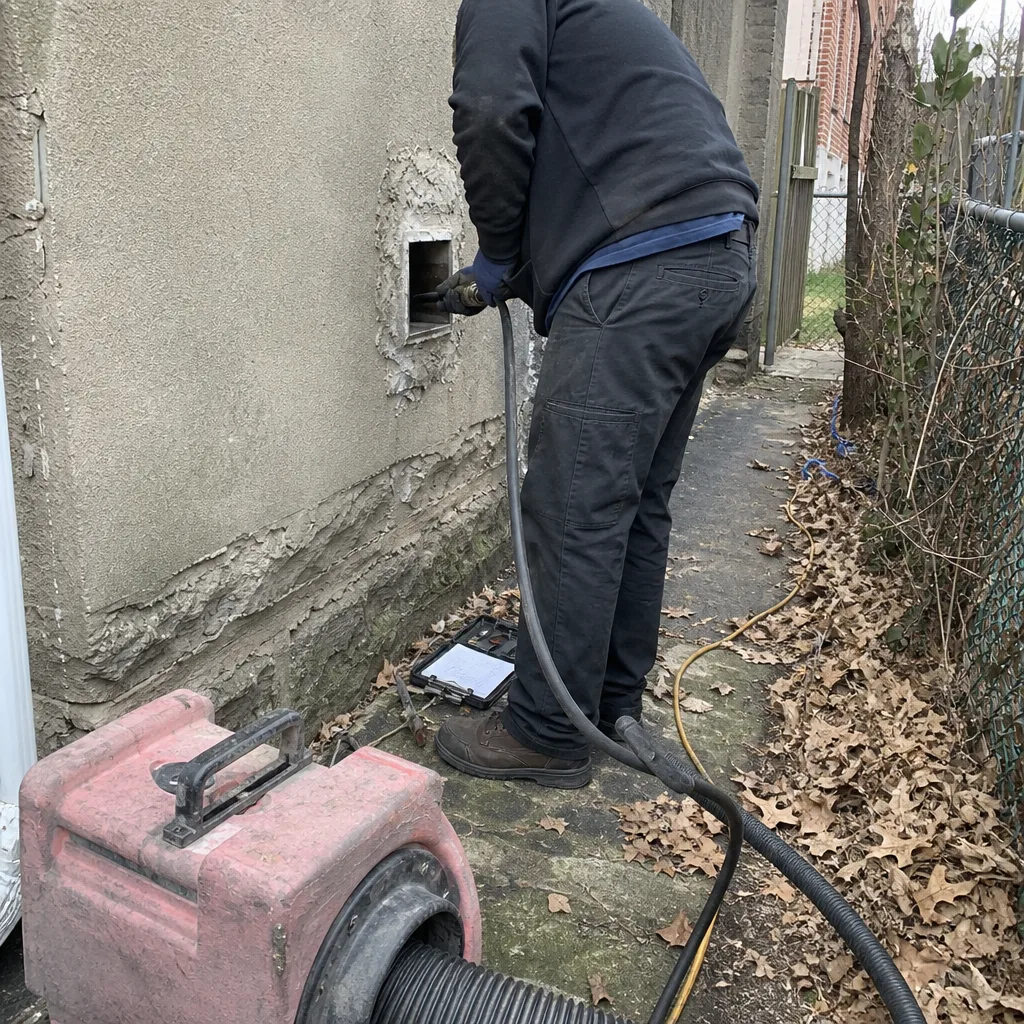 Before
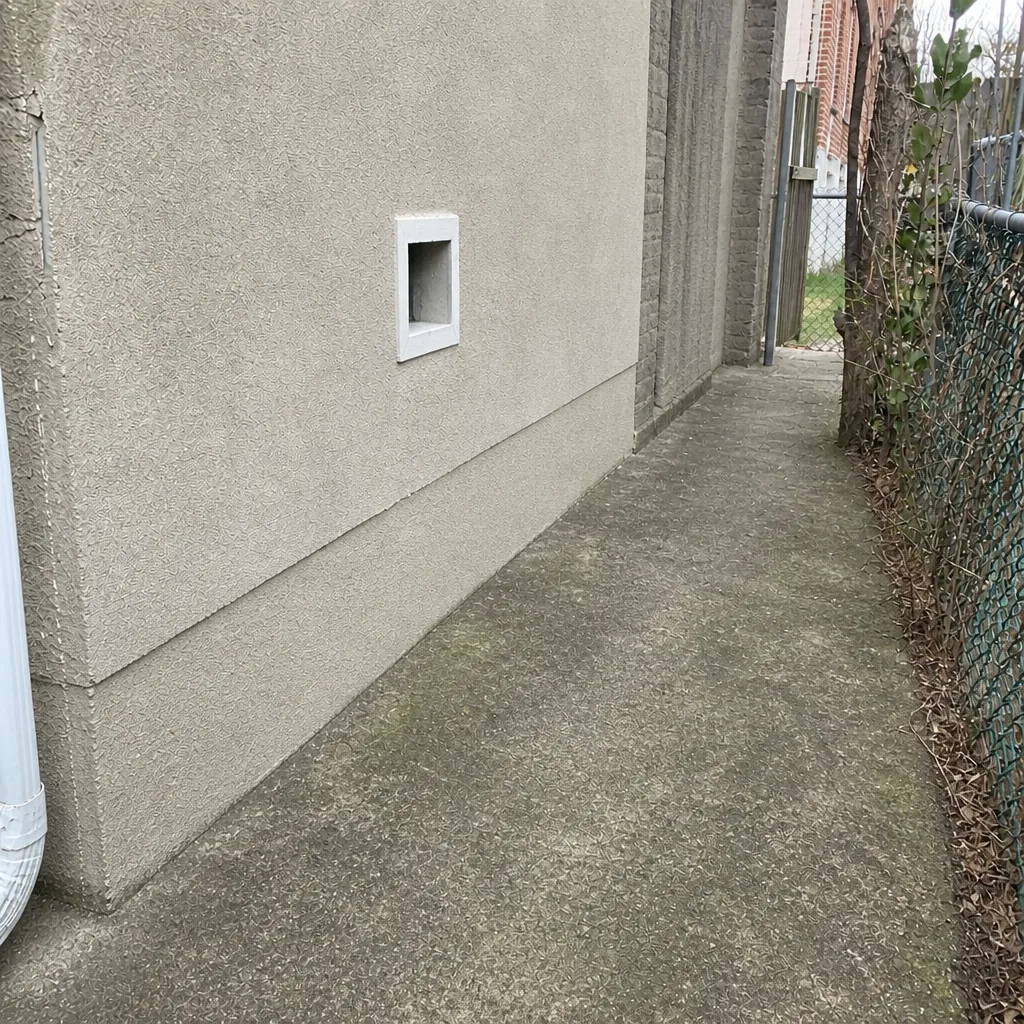 After
When to Call a Professional
Call a professional when the scope crosses into duct repair, sealing that alters the system, UV lamp installation, or anything involving a disconnected duct run or an HVAC component you don’t fully understand. Call before the work starts if you’re unsure whether a permit is required, because the answer shapes the estimate and the timeline. Call when you’re prepping a home for sale and the permit history doesn’t match what’s in the house. And call when indoor air is the reason you started looking at duct work in the first place – cleaning is only half the job, and the other half is repair, sealing and air treatment working together. Air Duct Cleaning Northeast Philadelphia offers free estimates in Northeast Philadelphia – call (833) 508-9983. We answer 24/7.
Frequently Asked Questions
Air duct cleaning by itself is maintenance and does not require a permit in Philadelphia. A permit is triggered when the work changes the duct system’s layout, adds powered air-treatment equipment wired to the air handler, or integrates new ventilation equipment. If a cleaning visit turns up a repair, ask the contractor to state in writing whether the repair requires a permit. Call (833) 508-9983 for an exact quote – estimates are free.
It depends on scope. Sealing accessible joints without changing the layout is usually maintenance. Sealing that requires opening walls or rerouting duct to reach a leak is mechanical work and requires a licensed contractor and a permit. The safest approach is to have the contractor describe the scope line by line and confirm with L&I when the answer is unclear. Call (833) 508-9983 to talk through your scope.
Ask for the license number in writing and verify it through Philadelphia’s Department of Licenses and Inspections. A cleaning company’s insurance doesn’t make it licensed for mechanical work, so confirm the license matches the scope. If the job includes rerouting, resizing or wiring, the contractor should hold a mechanical license and pull the permit. Call (833) 508-9983 for a written estimate that spells out the scope.
Yes. A buyer’s inspector can flag unpermitted duct modifications, and that becomes a negotiation issue or a delay. Before listing, pull your permit history through L&I and compare it against what’s actually installed. If there’s a gap, a licensed mechanical contractor can walk you through the options. Call (833) 508-9983 and we’ll scope the work that needs to be on record.
A permit is required when the UV germicidal lamp is wired into the air handler’s electrical circuit. A plug-in unit mounted inside a return is a different question, and the installing contractor should tell you clearly which type they’re installing. If the answer is “wired,” the permit and the inspection are part of the job. Call (833) 508-9983 – estimates are free.
ASHRAE 62.2 sets minimum whole-house ventilation requirements for low-rise residential buildings. When duct sealing reduces infiltration in a house that’s already tight, the home may need intentional fresh-air intake to compensate. In Northeast Philadelphia homes undergoing duct upgrades, that means the scope should include a conversation about ventilation, and any ERV or HRV integration is a permit item. Call (833) 508-9983 to talk through the full scope.
The Bottom Line
Cleaning doesn’t need a permit. Changing the duct system usually does. That’s the line, and for Northeast Philadelphia homeowners it’s worth knowing where it falls: duct replacement, rerouting, new registers, UV lamps wired to the air handler, and ERV or HRV integration all cross into mechanical work under the city’s code. Confirm your contractor holds the right license through L&I, get the scope in writing, and check your permit history before you sell. And remember that tighter ducts can mean a house that needs compensating fresh air – ASHRAE 62.2 is the standard for that conversation. Cleaning is maintenance, repair is construction, and knowing the difference keeps your indoor air and your home’s record in good shape. Call (833) 508-9983. We answer 24/7. Fast dispatch from 7am to 7pm, Sunday through Friday.
Written by the team at Air Duct Cleaning Northeast Philadelphia.